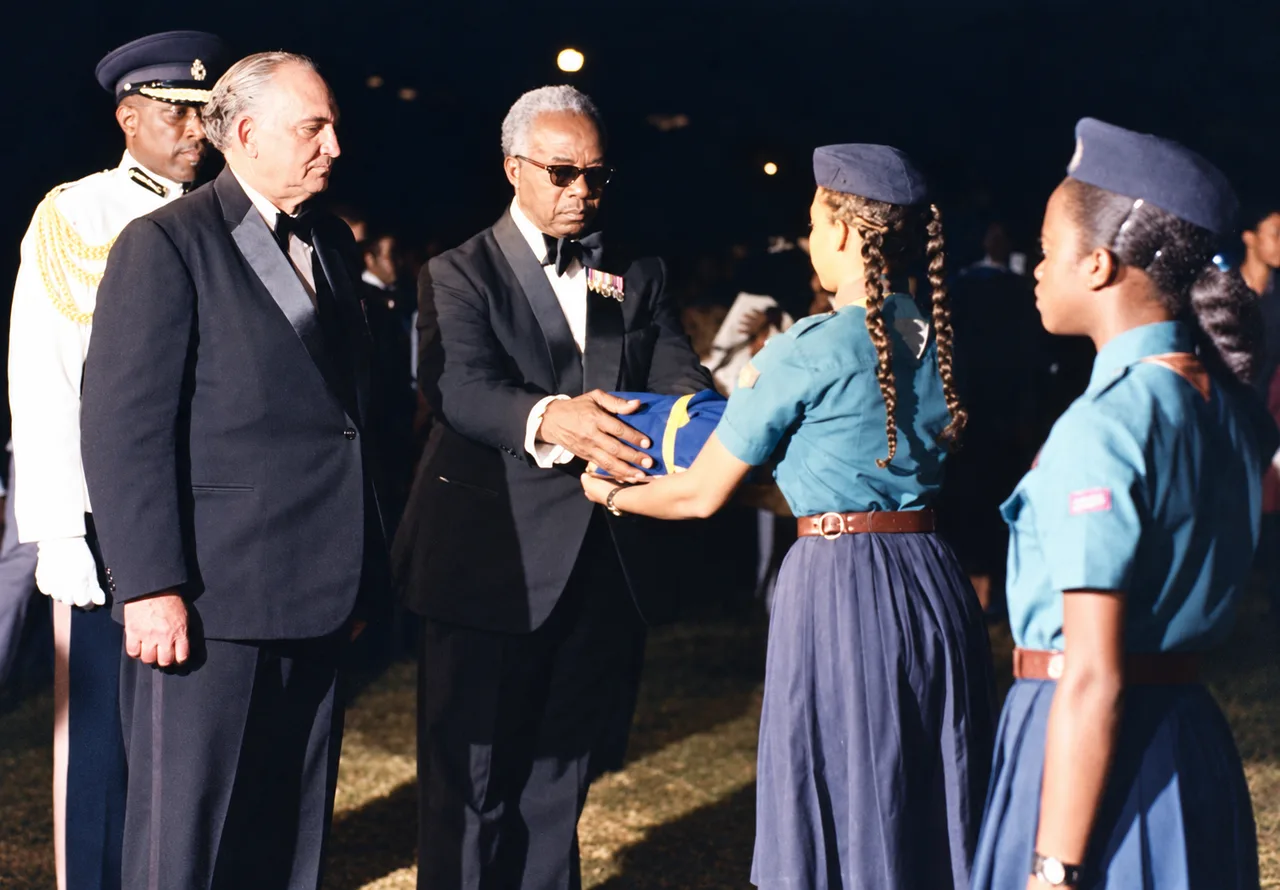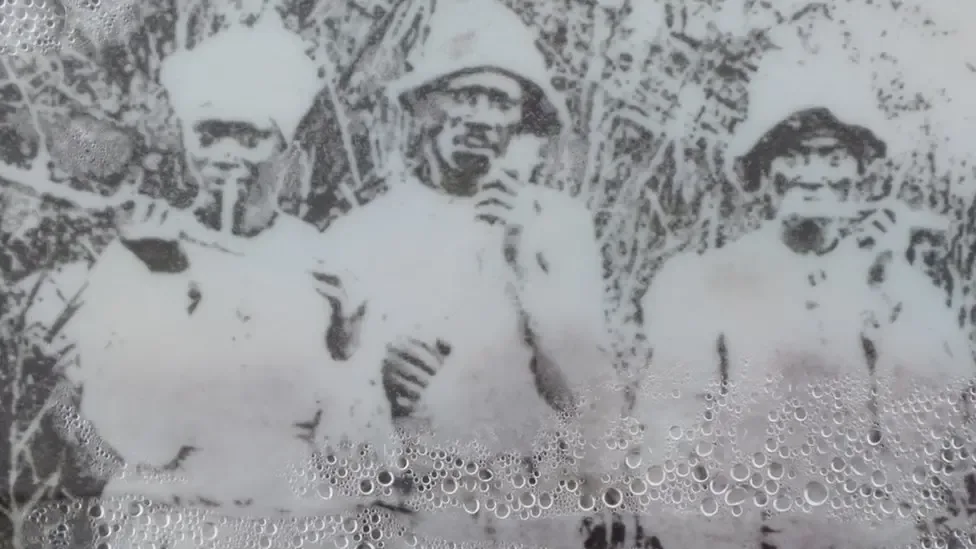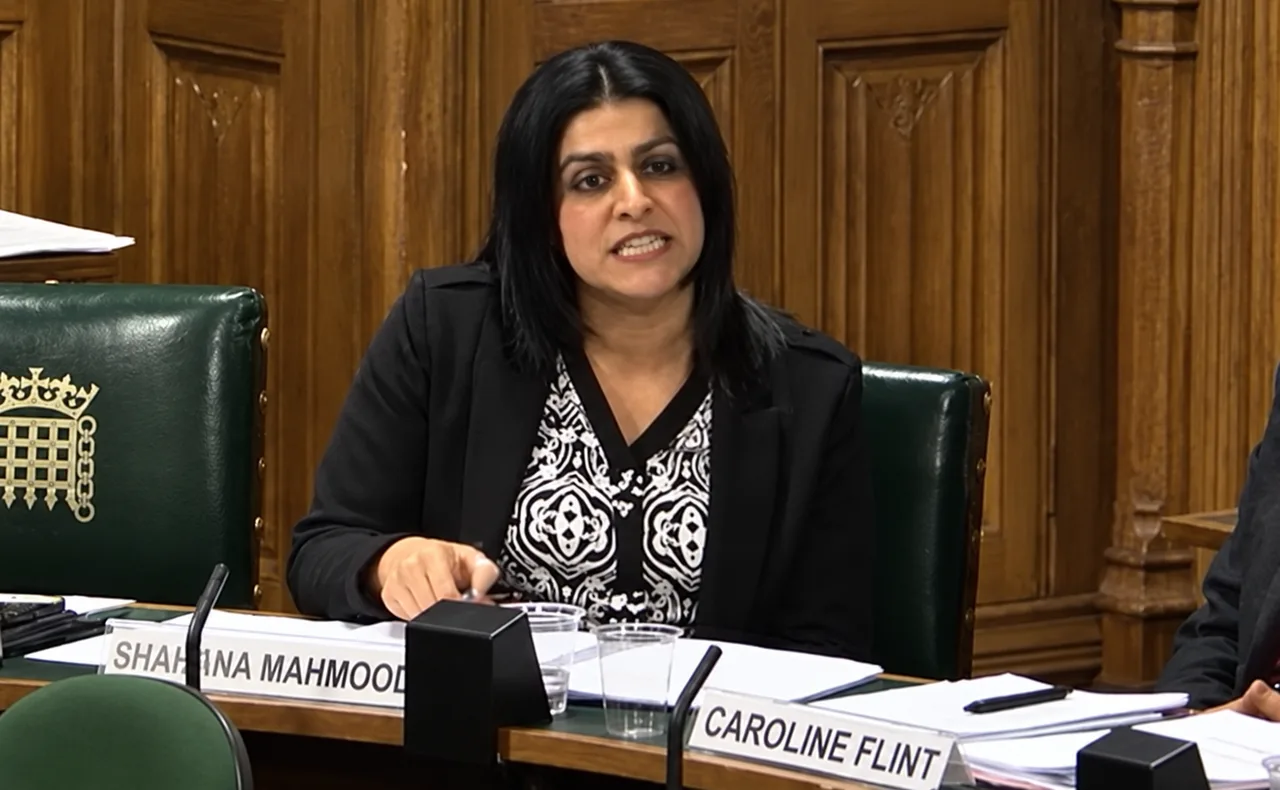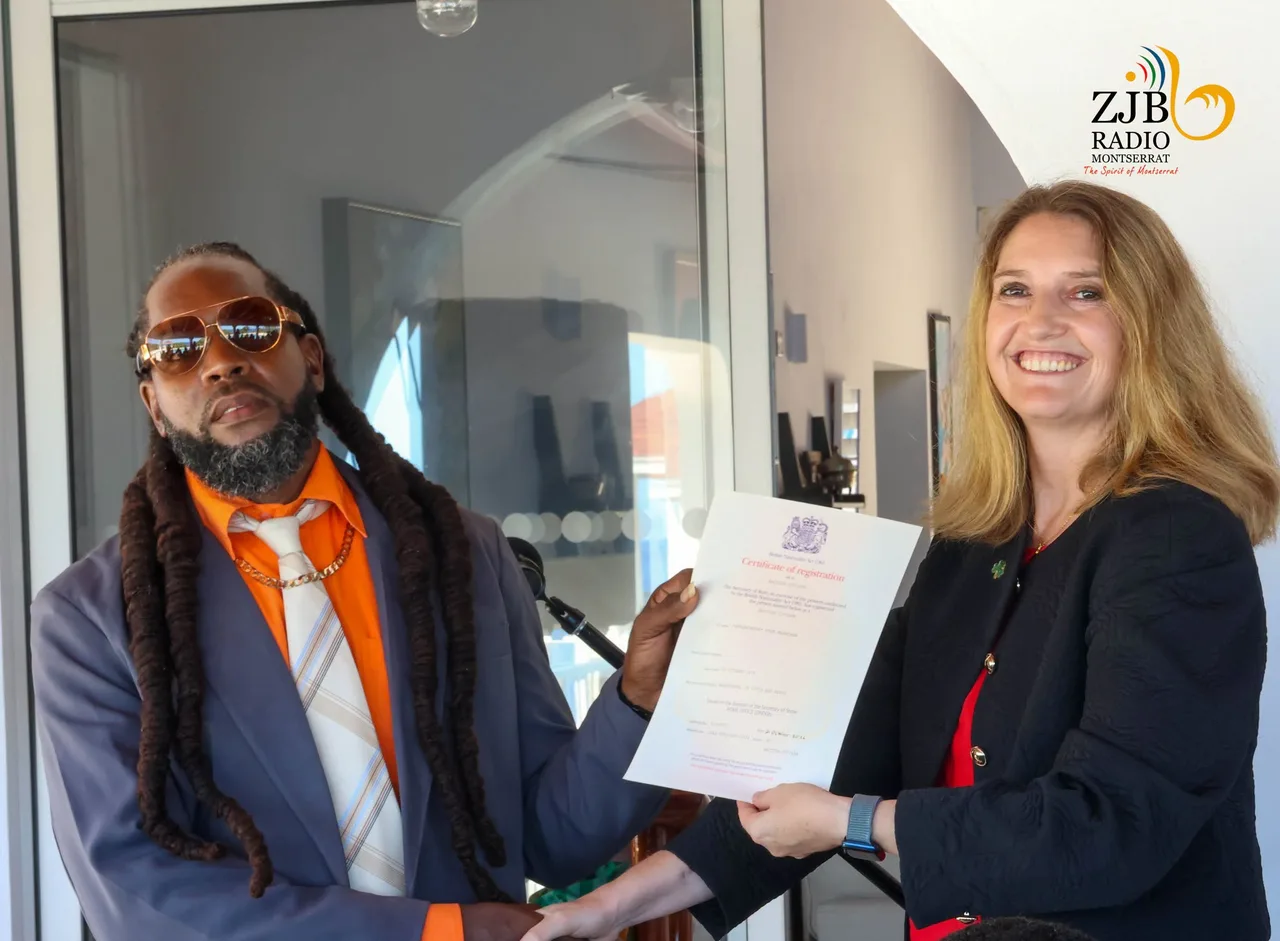
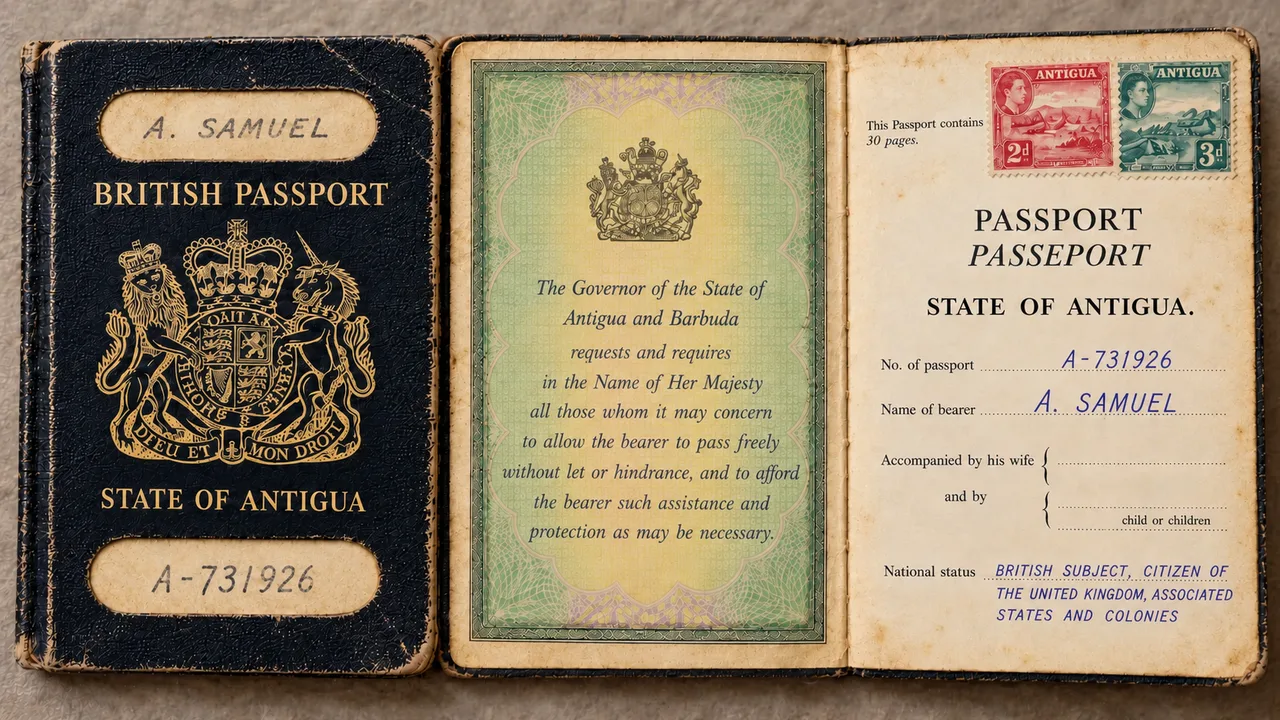

Antigua and Barbuda marks 45 years of independence on 1 November 2026. The anniversary also raises a question that still matters to families on both sides of the Atlantic: what happened to British nationality when the country became independent?
The answer was not simply that everyone became British, or that everyone lost every connection to Britain. The legal position depended on a person’s status and family history.

At independence, many people who became citizens of Antigua and Barbuda lost their status as citizens of the UK and Colonies (CUKCs). But the change did not affect everyone in the same way. Some retained that status because they already had the right to live and work in the UK without immigration restrictions.
Antigua and Barbuda’s Constitution set out who became a citizen at independence. Its provisions included people born in Antigua who were CUKCs, people with specified parent or grandparent links, and some people naturalised or registered while resident there. Those rules determined Antiguan citizenship; they did not, by themselves, settle whether someone retained CUKC status.
On 1 January 1983, the rules on British nationality changed. Some people who still had CUKC status and the right to live in the UK became British citizens automatically. Their route to that right could involve a family connection to Britain or their own time living there; the consequences for relatives depended on each person’s circumstances.
Some people qualified through their own time living in Britain, not only through a parent or grandparent. That could matter to descendants: depending on how a person became British, a child born overseas might also have acquired British citizenship. The answer depends on each family’s circumstances.
That distinction is important for descendants. Antiguan citizenship and British citizenship are separate legal statuses. A family’s British nationality position cannot be worked out from an ancestor’s birthplace or an old passport alone: the dates, the exact CUKC basis, any right-of-abode evidence and the relevant family links all matter.
Some people in Antigua and Barbuda families may also be eligible under the UK’s Windrush Scheme if they have difficulty proving their right to be in the UK. The scheme is intended to help people who lack evidence of their status, but its eligibility rules are separate from Antigua’s independence arrangements. Depending on the route, eligibility can include Commonwealth citizens settled in the UK before 1 January 1973, certain children of qualifying Commonwealth citizens, and people of any nationality who arrived before 31 December 1988 and are now settled. It can help eligible applicants establish or obtain proof of their right to live and work in the UK; some may also be considered for British citizenship. Antigua or CUKC ancestry alone does not qualify someone.
Forty-five years after independence, the history is a reminder that nationality did not change through one simple switch. The law drew distinctions between people who shared a country’s independence but had different legal connections to Britain.
Sources used for this report9 verified links
- Antigua and Barbuda Modification of Enactments Order 1981
- Antigua and Barbuda Constitution Order 1981
- British Nationality Act 1981, section 11
- Home Office: Historical background information on nationality
- Windrush Scheme: get proof of your right to be in the UK
- Immigration Act 1971, section 2 (as enacted)
- British Nationality Act 1981, section 14
- Home Office: Right of abode (accessible guidance)
- Home Office: Automatic acquisition (accessible guidance)