
When Saint Vincent and the Grenadines raised its flag at Victoria Park on 27 October 1979, a new nation was born. But what did independence mean for the British nationality of your parents, your grandparents—and you?
As Vincentians celebrate 47 years of independence, that question may reach beyond Saint Vincent and the Grenadines itself. A mother or father from Antigua or Saint Kitts, a grandparent connected to Anguilla or the British Virgin Islands—or, in some circumstances, a connection reaching back to a great-grandparent—could make your family’s British nationality history worth examining.
For some families, that enquiry may establish British nationality already held. For others, it may identify a possible route to British citizenship or British overseas territories citizenship (BOTC), including where historical discrimination prevented citizenship from being acquired or retained. The answer depends on the dates, family relationships and what happened at each generation.
Establishing whether that connection exists is the first step. Where it leads to British citizenship, it could also shape the possibilities for you and your children: where to live, work or study, and how to plan for the future.
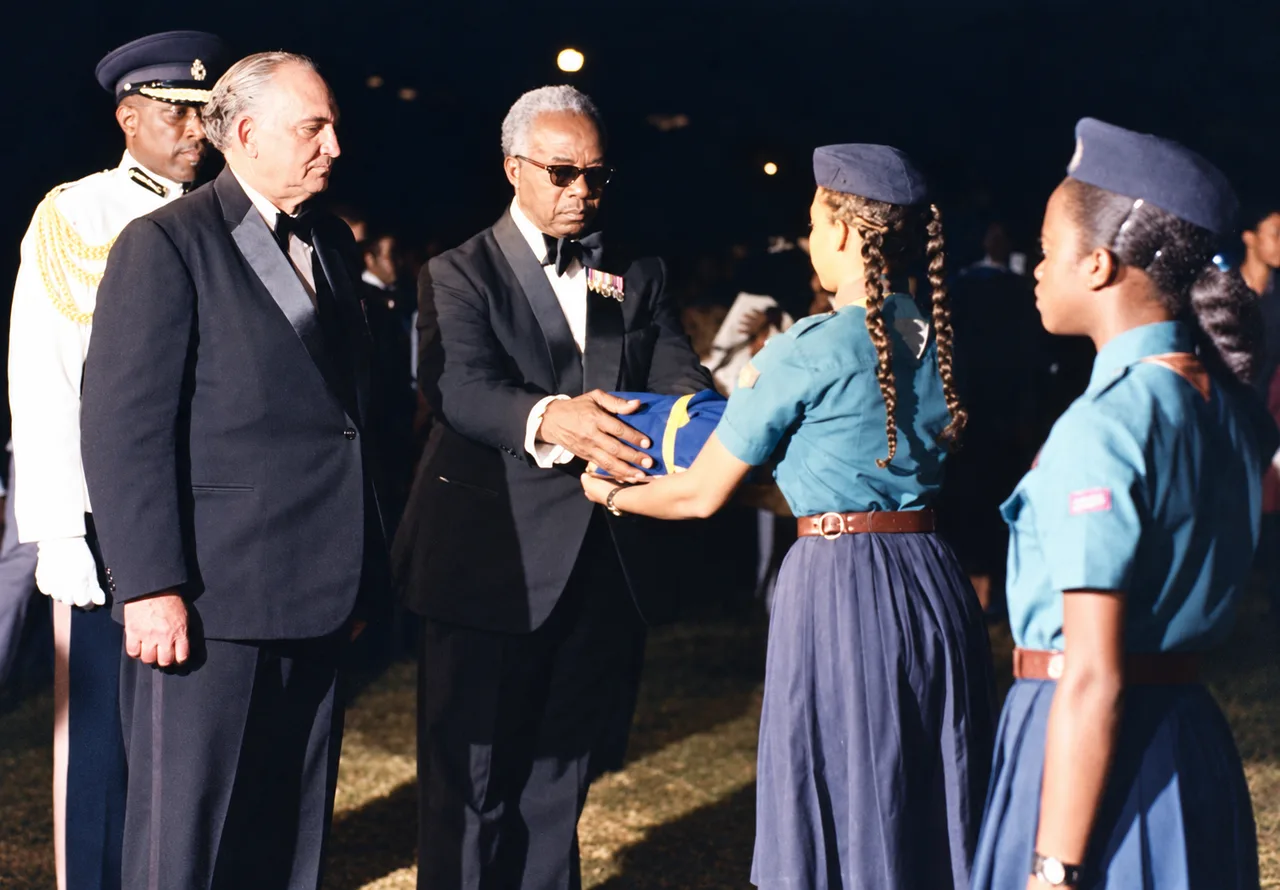
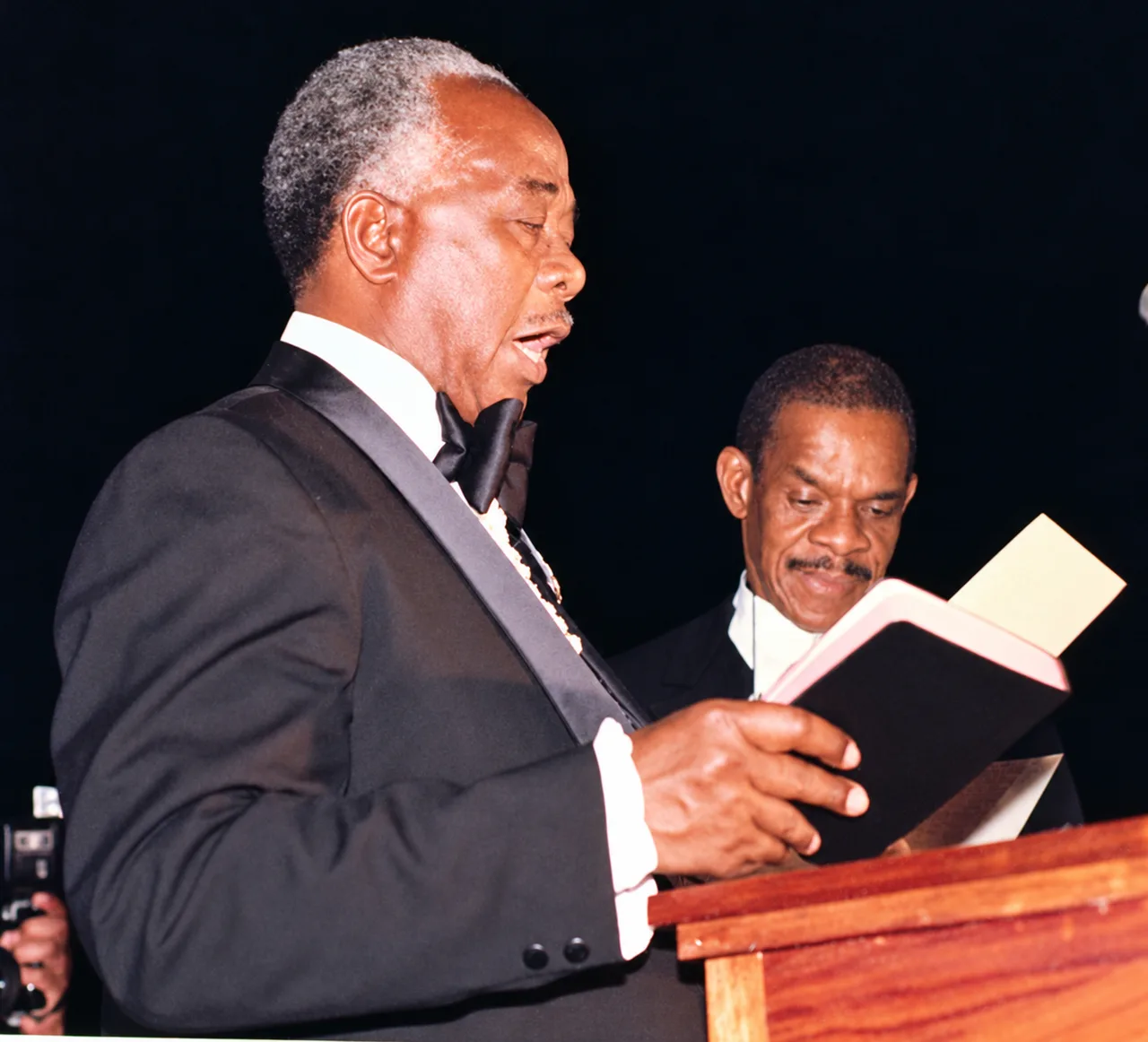
Archive photographs reproduced by Searchlight capture the ceremony, including Girl Guide Debbie Simmons presenting the flag to Robert Milton Cato and Cato passing it to cadet Grantley Williams. They preserve a defining moment in the country’s history.
Independence did not end every British nationality connection. Understanding whose ties survived—and what happened to their children—requires following the family history through each change in the law.
What changed in 1979
Before independence, many Vincentians were citizens of the United Kingdom and Colonies (CUKCs). Most who became citizens of the new nation lost that status, but qualifying connections to the UK or other British territories allowed some to retain it.
These could involve birth, naturalisation or registration through the person, their father or paternal grandfather, with separate protection for some wives. The territory’s status on 27 October 1979 was crucial.
Why links to other islands matter
For families spread across the Caribbean, connections to Anguilla or the British Virgin Islands may therefore deserve closer examination. A Vincentian birth certificate may tell only part of the story.
The family relationship and nationality history still need to be established. Retaining a status in 1979 was one step; what happened afterwards could be just as important.
Antigua and St Kitts require another step
Antigua and Barbuda and St Christopher and Nevis had not yet become independent when Saint Vincent did. A qualifying connection to an associated state could matter under the 1979 retention provisions.
But the enquiry cannot stop in 1979. Antigua and Barbuda became independent on 1 November 1981. St Christopher and Nevis followed on 19 September 1983. Their nationality changes must then be applied to anyone affected.
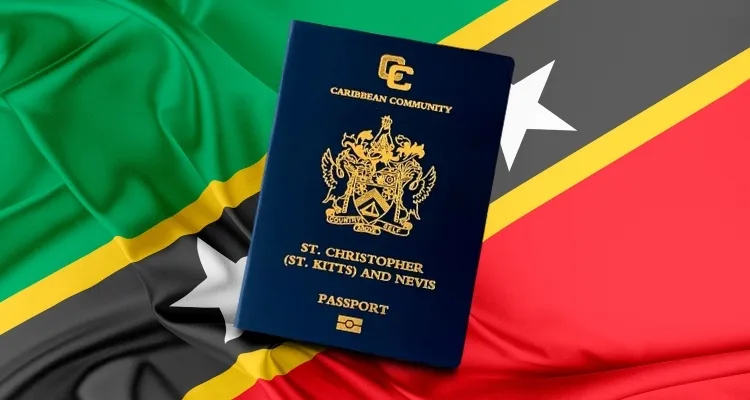
The Home Office’s historical guidance records an additional protection at Antigua and Barbuda’s independence for qualifying CUKCs with the right of abode in the UK. For St Kitts and Nevis, it explains that British citizenship was not lost at independence, while British Dependent Territories citizenship could be lost unless a relevant connection remained. The outcome depends on the status held at the relevant point.
Retaining CUKC was part of the journey
The next major checkpoint was 1 January 1983, when the British Nationality Act 1981 came into force.
Broadly, a person who remained a CUKC and had the right of abode in the UK immediately before that date became a British citizen, subject to the statutory exceptions. Others with the required dependent-territory connections became British Dependent Territories citizens under the Act’s separate provisions.
A CUKC who became neither of those generally became a British Overseas citizen. That status does not itself provide an automatic right to live or work in the UK.
There was another important change in 2002. Qualifying British Overseas Territories citizens automatically became British citizens on 21 May that year. Anguilla and the British Virgin Islands are among the qualifying territories. Establishing whether a person held the necessary status at that time is therefore essential.
The consequences for children
A parent’s correctly established nationality can change the starting point for a child’s case. It does not automatically settle it.
The relevant connection may reach back to a great-grandparent if it affected the nationality a parent retained and what could then pass to a child. Family lines through mothers and grandmothers also need examination, including whether historical discrimination changed the outcome.
The child’s date and place of birth, the parent’s status at that date and whether that status was held by descent can all affect the answer. Historical rules about mothers, unmarried fathers and later marriage may also require examination.
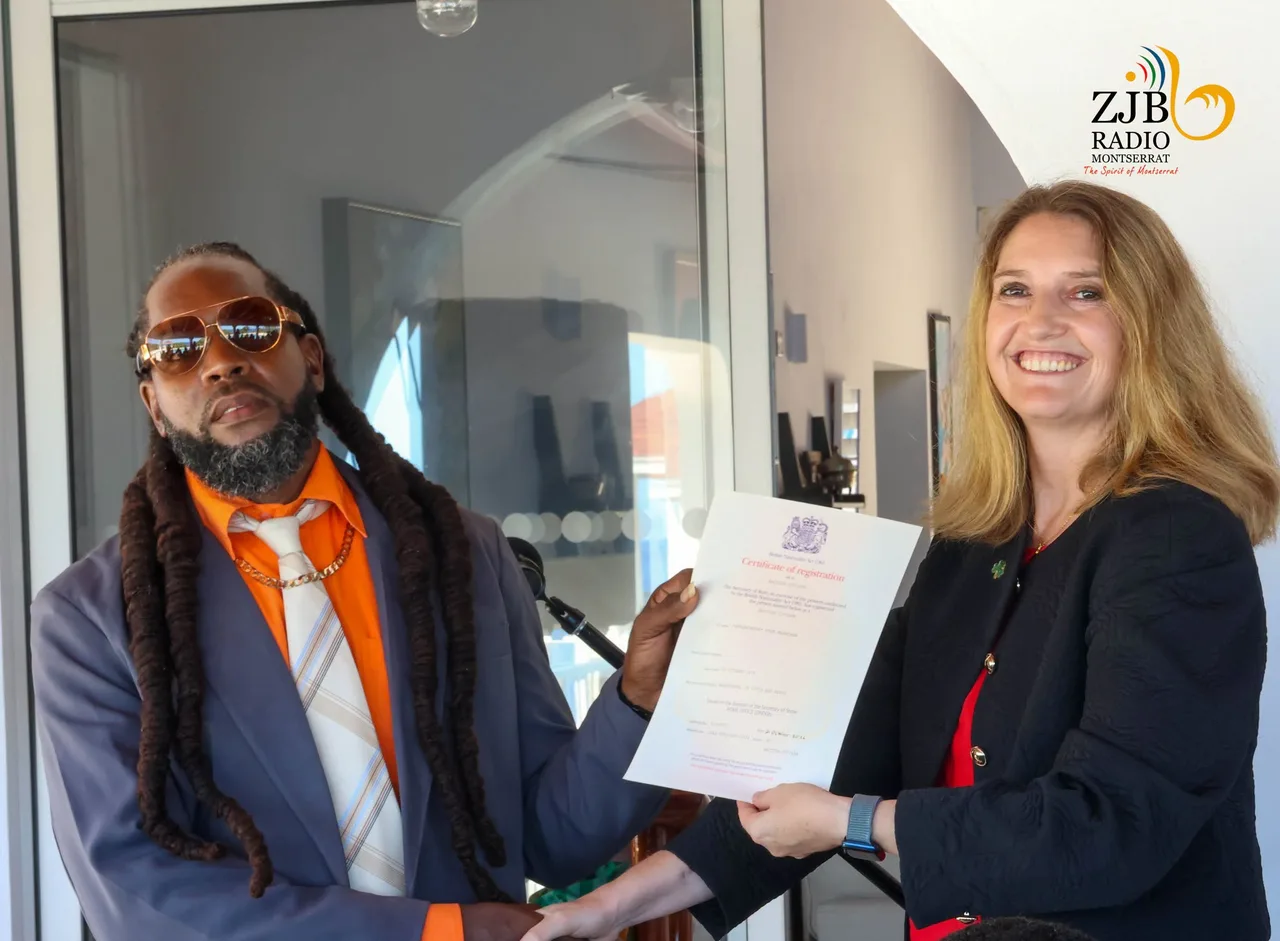
Some people excluded by earlier discriminatory rules now have registration routes. The government also provides a special-circumstances route for people who missed citizenship because of historical legislative unfairness, an official act or omission, or exceptional circumstances. Eligibility requires evidence of how the relevant problem prevented citizenship; an ancestral link alone does not establish it.
Where that enquiry establishes British citizenship, the implications can reach beyond a passport: the right to live, work and study in the UK without immigration permission, and possibilities for a family’s future. University fee status and student funding have separate residence and eligibility requirements. A child’s own citizenship position must also be established.
A family history worth checking carefully
For families exploring these questions, a useful starting point is a dated family tree supported by full birth and marriage certificates, old passports, and any registration, naturalisation or nationality decisions. The key task is to trace what each person held before independence, what they retained and what happened afterwards.
Saint Vincent and the Grenadines’ independence remains a national achievement to celebrate. Its nationality history also deserves to be read accurately. For some families, the legal consequences of that history may still reach into the present.
If these circumstances sound familiar, get in touch with JAM to share your family’s story. Explain the islands involved, the relevant birth and marriage dates, and any previous nationality decision. Those details can help identify the questions that need examining; a family connection alone is not confirmation of eligibility.
Sources used for this report14 verified links
- Saint Vincent Constitution Order 1979, chapter VII
- Home Office: Historical background information on nationality
- British Nationality Act 1981, section 23
- GOV.UK: British citizenship for people born in a British colony before 1983
- GOV.UK: British overseas citizen
- British Overseas Territories Act 2002, section 3
- GOV.UK: British overseas territories citizen
- GOV.UK: Apply for citizenship in special circumstances
- Searchlight: Top 12 most significant moments in SVG history, independence photographs
- GOV.UK: Right of abode guidance
- House of Commons Library: Eligibility for home fee status and student support in England
- JAM Radio: St Kitts and Nevis passes citizenship law opening a route for qualifying great-grandchildren
- JAM Radio: British citizenship at last: Vere Hendrickson’s victory over a historic injustice
- JAM Radio: Home Office Broken Promises: Windrush Victim Denied British Citizenship After 45 Years of Injustice