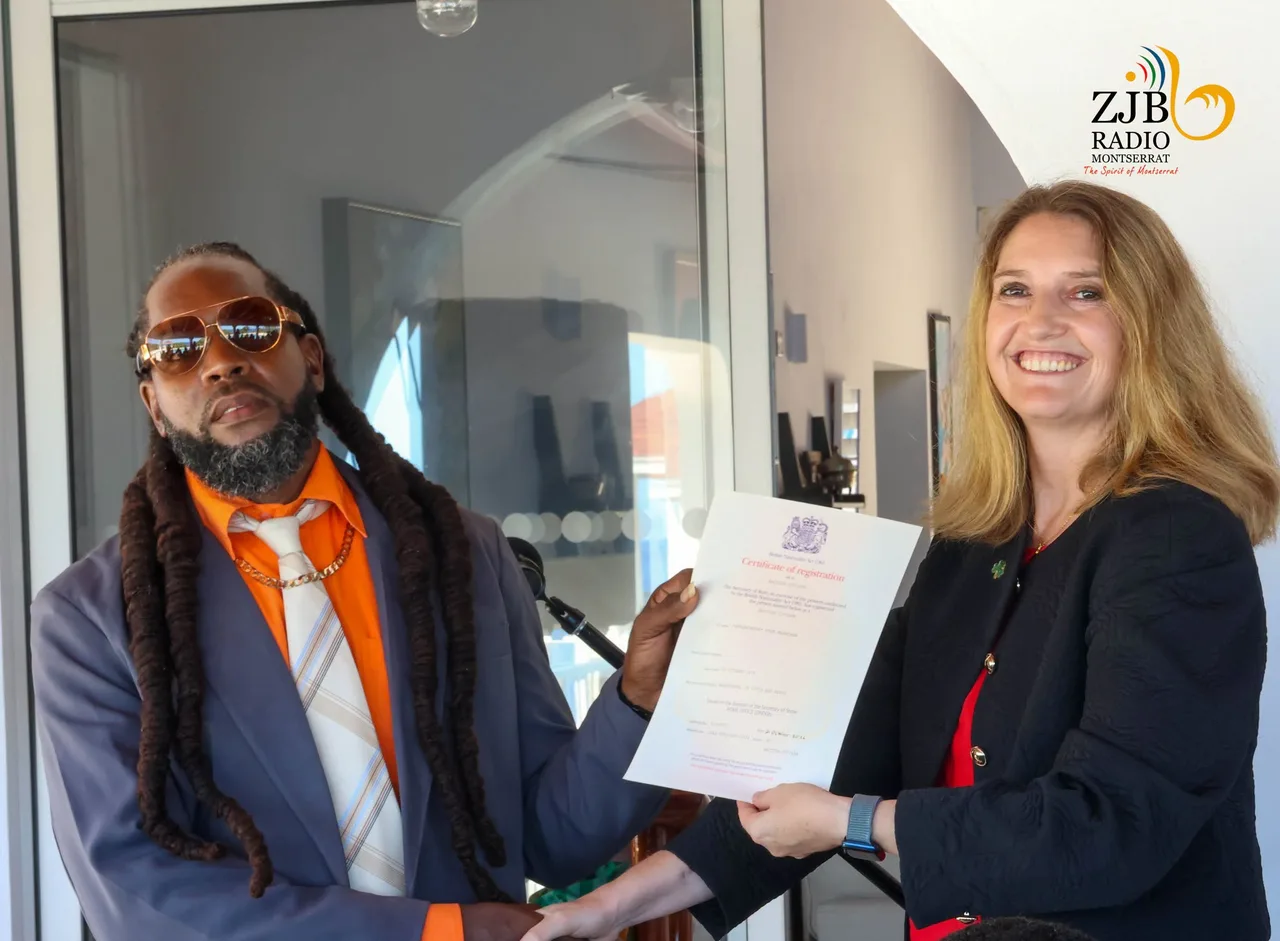
With his citizenship certificate held between him and Montserrat’s Governor Harriet Cross, Vere Hendrickson marked a victory over a barrier he had never chosen: the unequal treatment of children whose parents were unmarried.
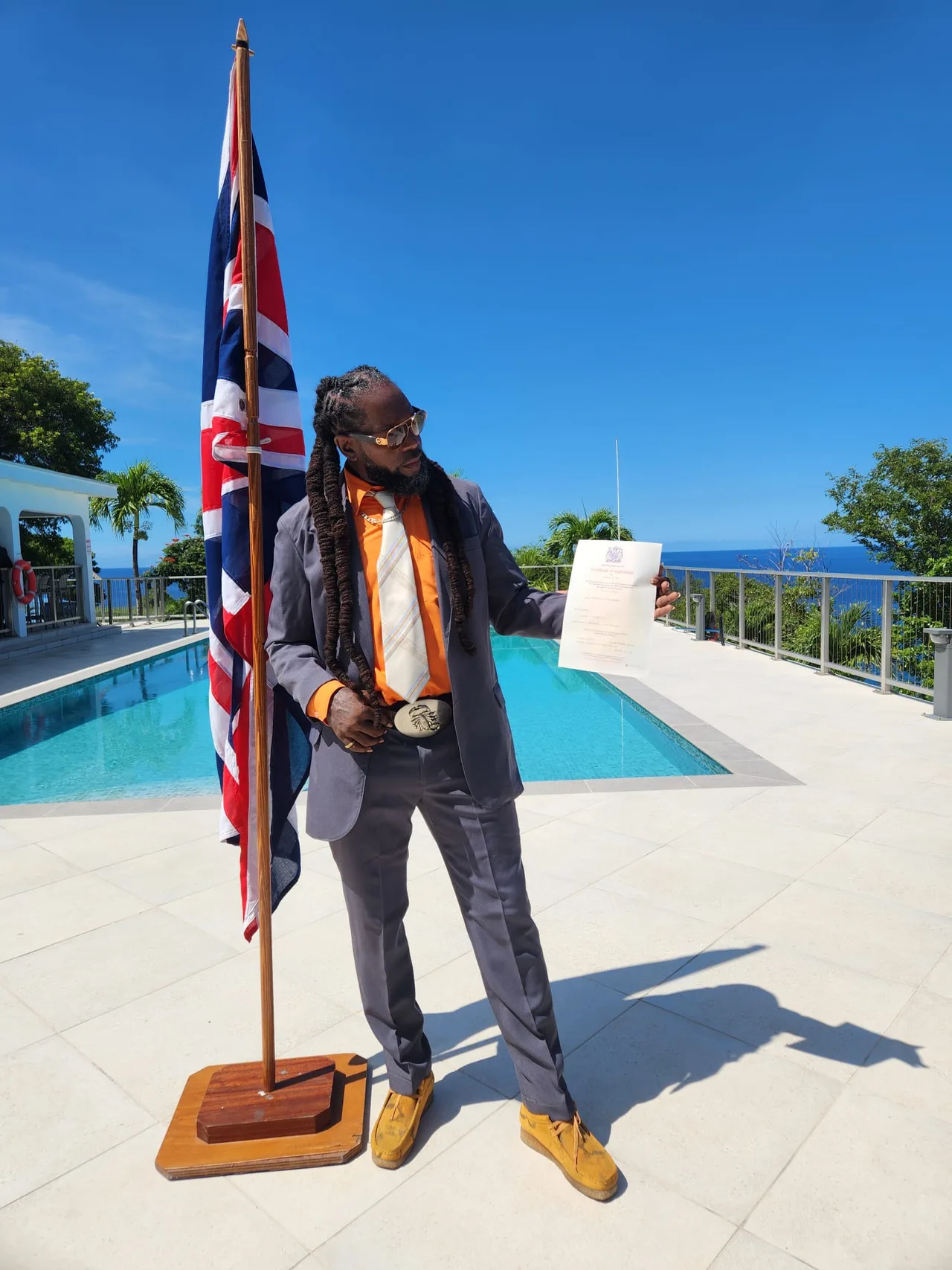
Born in British colonial St. Kitts, Vere completed his British citizenship ceremony in Montserrat on 21 October, bringing his decades-long struggle for British citizenship to successful conclusion.
Behind that photograph lies a family history stretching between neighbouring Caribbean islands, an initial refusal, and a challenge that persuaded the Home Office to reconsider. His father’s British nationality connection existed. The question was why Vere had been prevented from benefiting from it.
One family, but different outcomes
Vere was born in Basseterre in 1979. His paternal grandmother was from Montserrat, and his father, also born in St Kitts, retained British territorial nationality through that connection. His father and siblings held British citizenship, while Vere faced a different outcome under rules that treated children of unmarried parents unequally.
The problem was the 'legal effect' given to his relationship with his father. Historical nationality rules did not always recognise an unmarried father’s connection to his child in the same way as that of a married father. The consequences could follow a child through later changes in nationality law.
In Vere’s case, that distinction reached beyond the circumstances of his birth. It affected whether the Montserrat connection could protect his British nationality position as St Kitts and Nevis moved towards independence, and whether he could benefit from the later grant of British citizenship to qualifying overseas territories citizens.
Why Montserrat mattered
Caribbean families often have roots in more than one island. Nationality law, however, has attached different consequences to those connections as territories became independent or remained under British sovereignty.
St Kitts and Nevis became independent on 19 September 1983. Montserrat remained a British territory. A qualifying connection to a remaining British territory could preserve British citizenship for someone who otherwise stood to lose it on acquiring St Kitts and Nevis citizenship on independence day.
In 2002, British overseas territories citizenship law came into force. On 21 May that year, most people who held that status also became British citizens under the British Overseas Territories Act 2002.
The UK Home Office’s decision in Vere’s case confirmed that his father had retained the relevant territorial status and had subsequently become both a British overseas territories citizen and a British citizen. That established the significance of the family connection at the centre of Vere’s application.
A refusal reconsidered
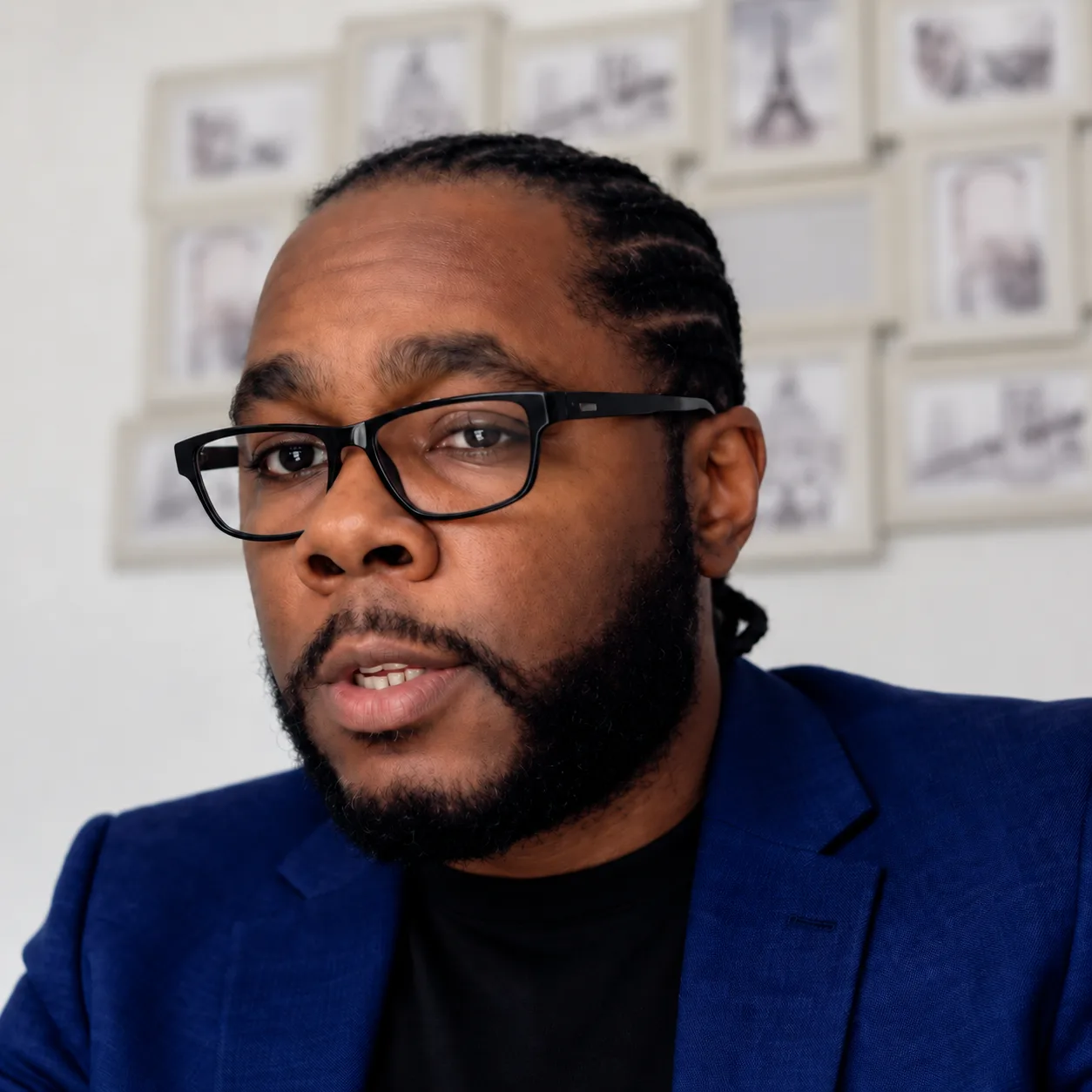
I pursued Vere’s application, tracing his family’s nationality position and asking the Home Office to reconsider its earlier decision in light of the asserted evidence.
In its decision dated 4 August 2026, the Home Office confirmed that it had reviewed further submissions and information from His Majesty’s Passport Office about his father’s status.
It accepted that, had the law treated children born outside marriage equally, Vere would have been able to acquire British citizenship through his father. The decision described his exclusion as the result of “the historical legislative unfairness that applied to children born outside marriage”.
Addressing historical unfairness
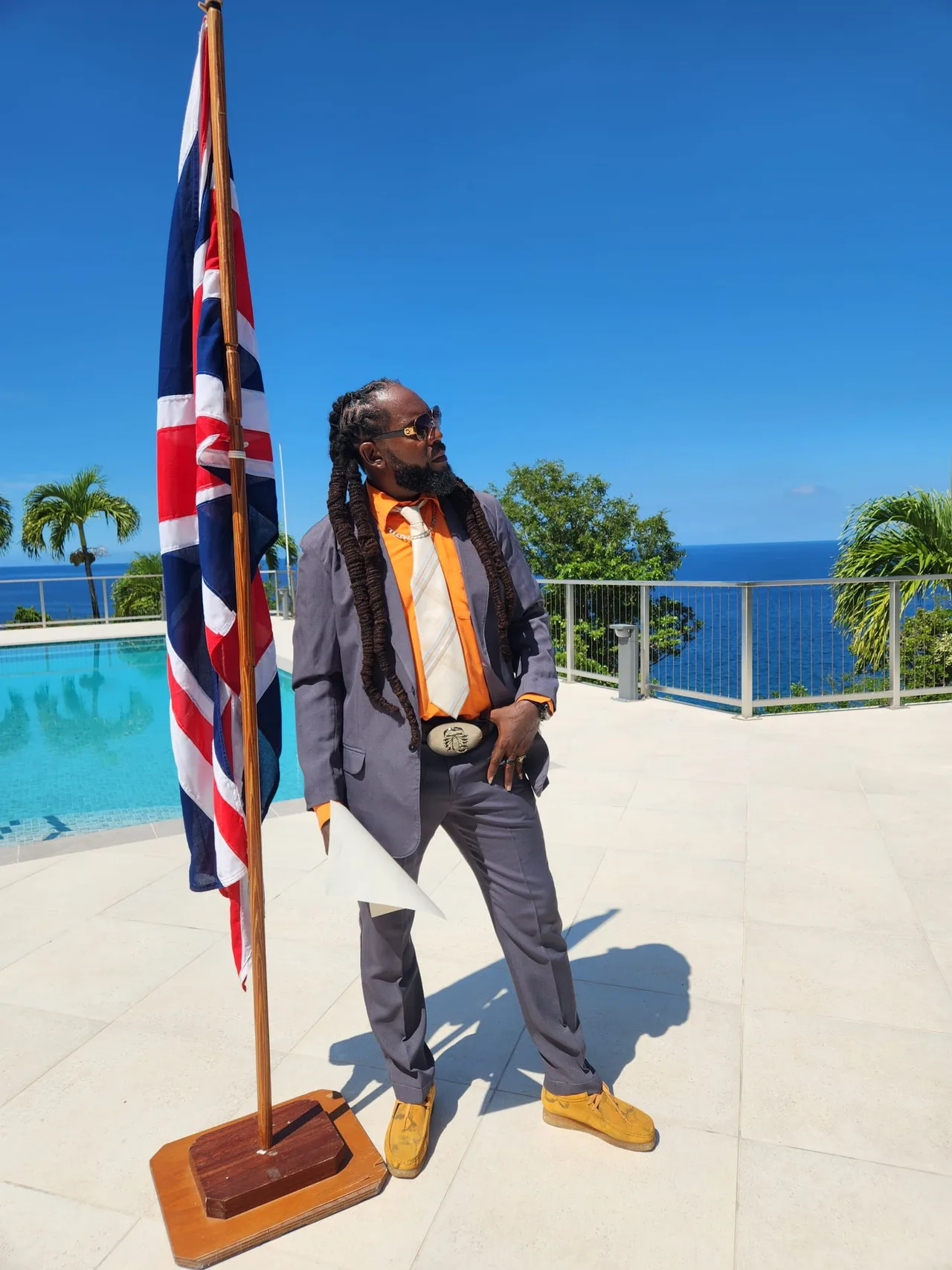
Vere’s success shows why a family history may deserve closer examination even after an unsuccessful application. Here, the Home Office accepted the link between the discriminatory rule and the citizenship he had missed out on for decades.
What other families can learn
As JAM Radio explored in its feature on Belize’s independence and British nationality legacy, constitutional change did not affect every family in the same way. The relevant connection may lie in a parent’s or grandparent’s birthplace, an old nationality status, or a rule that treated one branch of a family differently.
For families with links across St Kitts, Nevis, Montserrat, Anguilla the B.V.I and other Caribbean islands, old passports, birth and marriage records, and previous Home Office decisions can help reconstruct that history. A British relative or an island connection alone does not establish eligibility; the legal chain and the effect of any discrimination must be examined carefully.
For Vere, those questions have led to a certificate and a ceremony worth celebrating. JAM Radio congratulates him on becoming a British citizen. His story gives others affected by historical nationality discrimination a concrete reason to have their circumstances carefully reviewed.
Families who recognise something of their own history in Vere’s story can contact me through JAM Radio to discuss having their circumstances reviewed.
Euen Herbert-Small is an editor at JAM Radio, a British nationality researcher and a campaigner for change around historical legislative unfairness, its impact on members and descendants of the Windrush generation and others who descended from former British colonies.