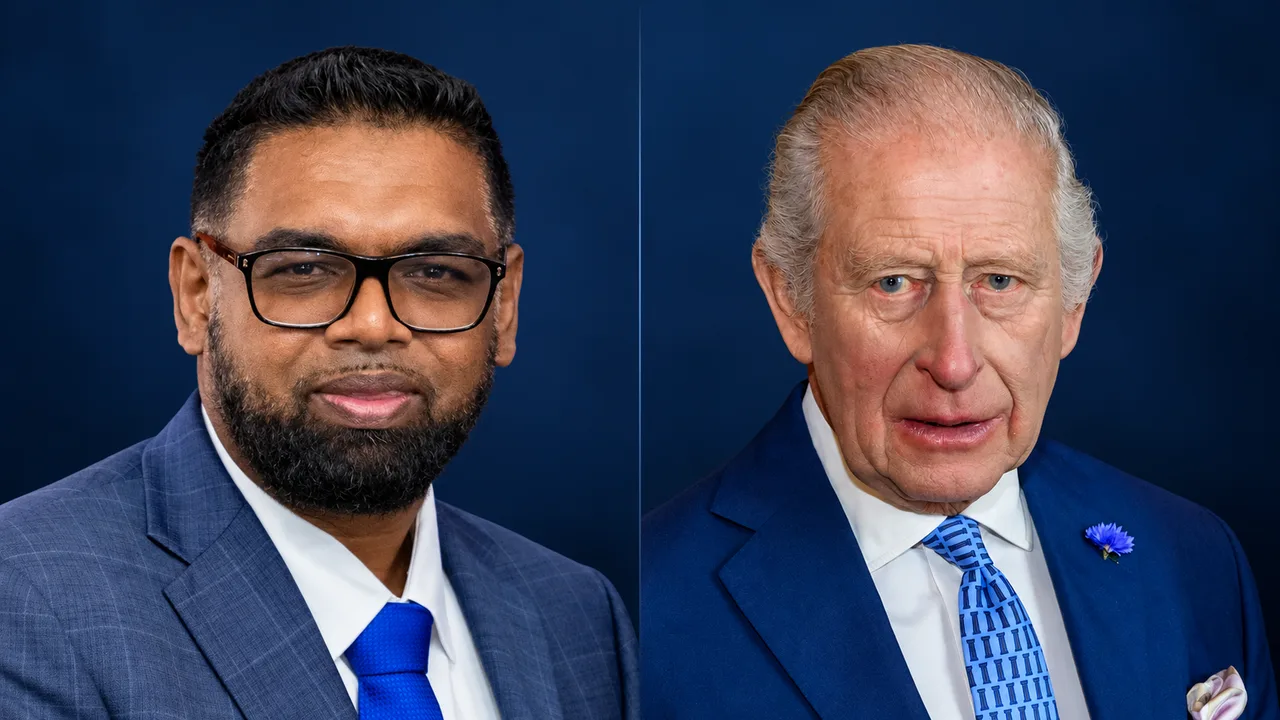
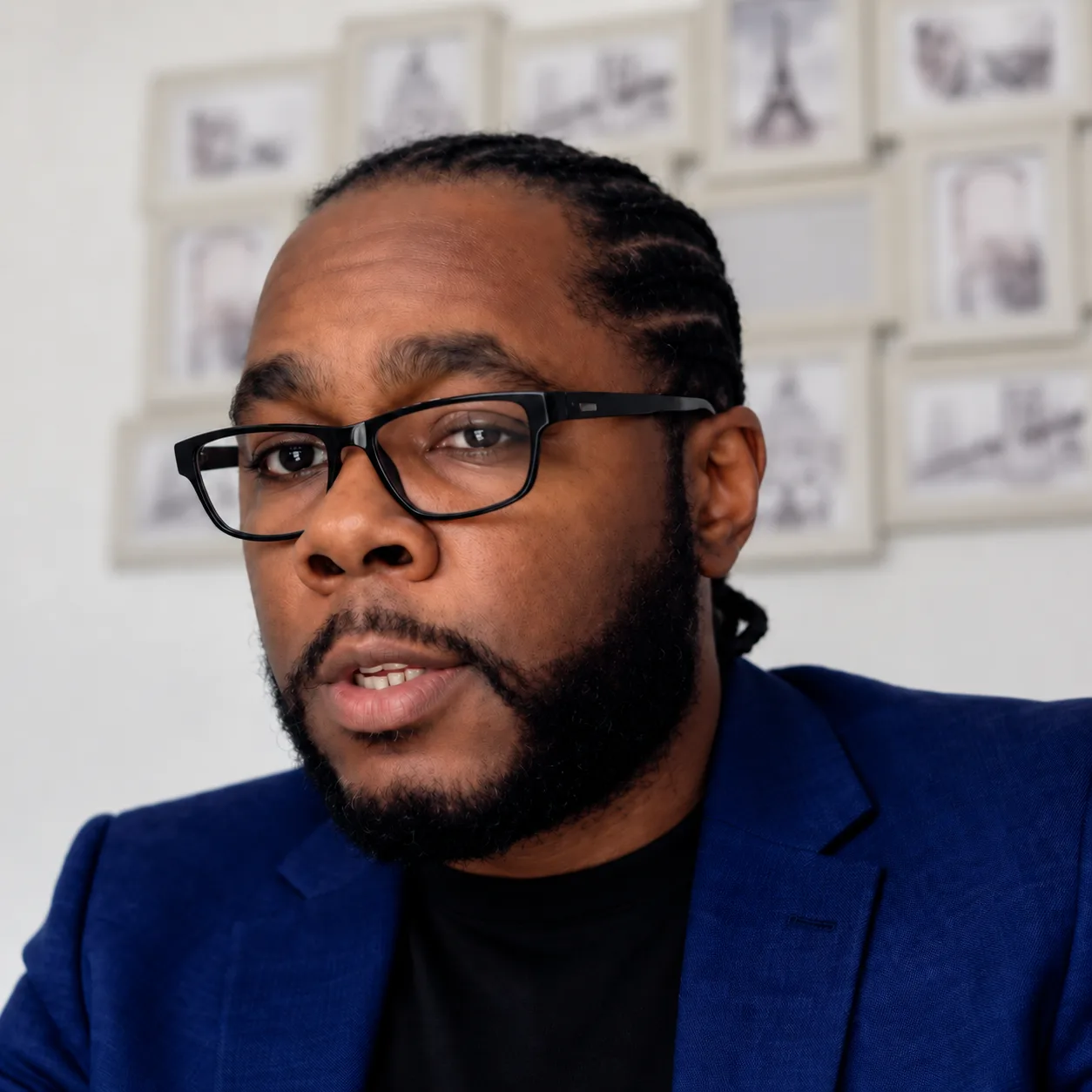
Guyana’s President Irfaan Ali has called for a formal apology and reparatory justice over Britain’s role in transatlantic slavery ahead of King Charles III’s state visit, placing the enduring consequences of colonial exploitation firmly on the diplomatic agenda.
Speaking to ITV News correspondent Robert Moore, Ali welcomed the King’s earlier expressions of regret but said acknowledgement should be followed by an apology and action. He also made clear that he values Charles’s support for Guyana, particularly his advocacy for tropical forests and climate protection.
The interview comes before a royal tour running from 27 October to 4 November, with stops in The Bahamas, Guyana and Antigua and Barbuda. Buckingham Palace has confirmed that the Guyana programme includes Georgetown and that the tour will also take in the Commonwealth Heads of Government Meeting in Antigua and Barbuda.
Beyond an expression of regret
Reporting on the interview, Guyana’s News Room said Ali linked reparatory justice to inequalities affecting education, healthcare, housing and economic development. He raised concessional financing, debt relief and development support as possible elements of a broader response, rather than treating reparations solely as a cash payment.
The president said the suffering associated with slavery remained part of the country’s collective experience. He also argued that the royal visit should be understood through Guyana’s wider relationship with the King, including his environmental work, rather than being defined by this issue alone.
ITV News reported that Charles would not issue a formal apology during the tour and that the monarch acts on UK government advice. The broadcaster said Buckingham Palace nevertheless intended the visit to acknowledge the painful history of slavery.
In a separate report, GB News said a Palace spokesman had emphasised the King’s constitutional obligation to follow ministerial advice. It also reported the Foreign, Commonwealth and Development Office’s position that the Government would not pay financial reparations. Those positions remain at odds with the call for an apology and reparatory justice.
GB News’s “ambush” framing
GB News royal correspondent Cameron Walker took a more confrontational approach in an opinion column published on 20 October, asking whether Charles was in danger of an “ambush” following Guyana’s demand for an apology.
Walker speculated that Ali might raise the issue before television cameras. That was a hypothetical diplomatic confrontation, rather than a reported security threat or evidence of an agreed plan. The column itself acknowledged Ali’s insistence that the visit had a wider purpose.
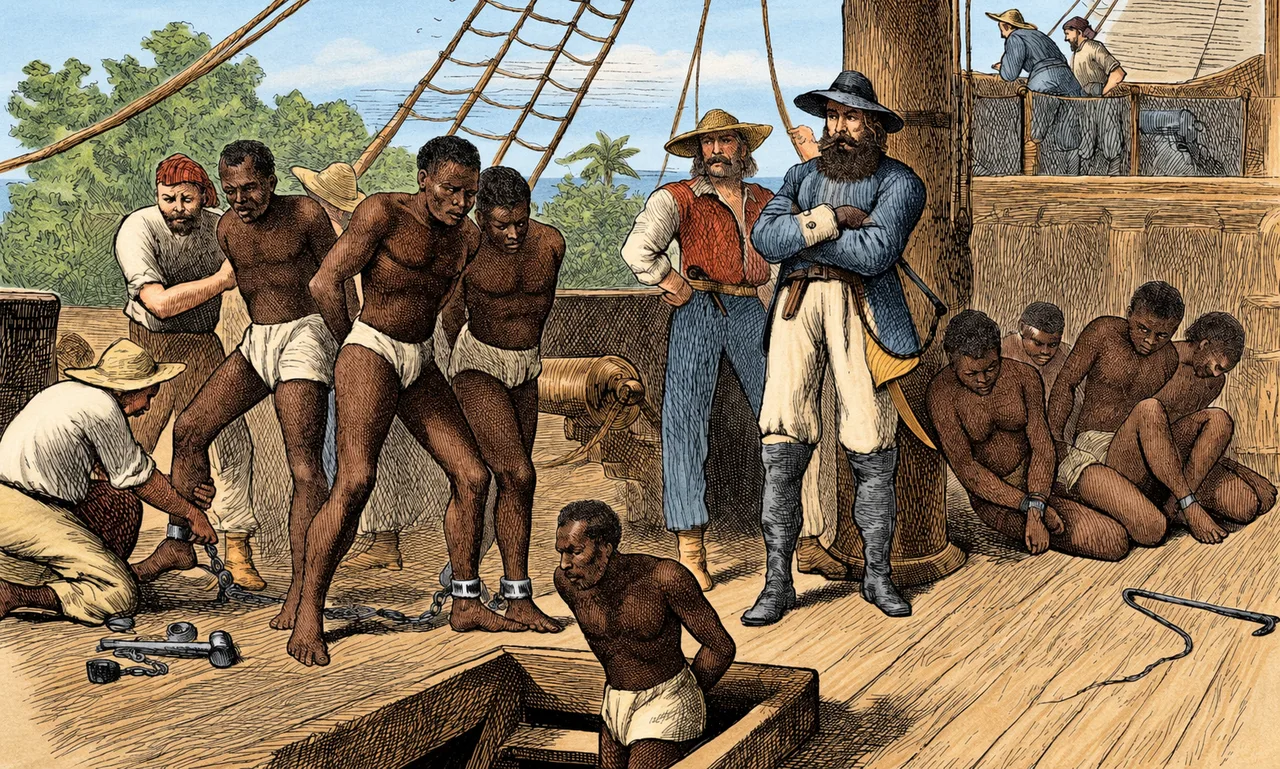
The column also blurred an important historical distinction by describing Britain as having abolished slavery in 1807. As UK Parliament’s own historical account explains, the 1807 legislation abolished the slave trade, not slavery itself. The Slavery Abolition Act followed in 1833, taking effect in 1834; the subsequent apprenticeship system continued until 1838.
Parliament’s account also records that compensation went to slave owners, rather than the people who had been enslaved. That history forms part of the context in which present-day calls for reparatory justice are made.
A wider bilateral relationship
Guyana’s government says the state visit marks 60 years of bilateral relations with the United Kingdom. The Palace’s programme includes engagements on biodiversity and conservation, a meeting with the National Toshaos Council representing Indigenous leaders, and a business reception.
Ali’s position brings those strands together: Charles remains a valued environmental advocate and partner, while the president wants the relationship to confront the lasting consequences of slavery as well as its shared priorities for the future.
Sources used for this report13 verified links
- ITV News: Robert Moore’s interview with President Irfaan Ali
- ITV News: No apology for slavery from King when he visits Caribbean
- News Room Guyana: Ali on slavery’s legacy and meaningful action
- GB News opinion: Cameron Walker’s ambush framing, 20 October 2026
- GB News: Caribbean tour not defined by reparations
- Buckingham Palace: official autumn tour programme
- Guyana Department of Public Information: state visit announcement
- UK Parliament: abolition, apprenticeship and compensation
- Ali portrait: U.S. Department of State, public domain
- Charles portrait: The White House, public domain
- JAM Radio: Saturday’s UK Reparations Conference coverage
- JAM Radio: Lord Camoys and the slave ship Sally
- JAM Radio: Lord Boateng on the British Museum