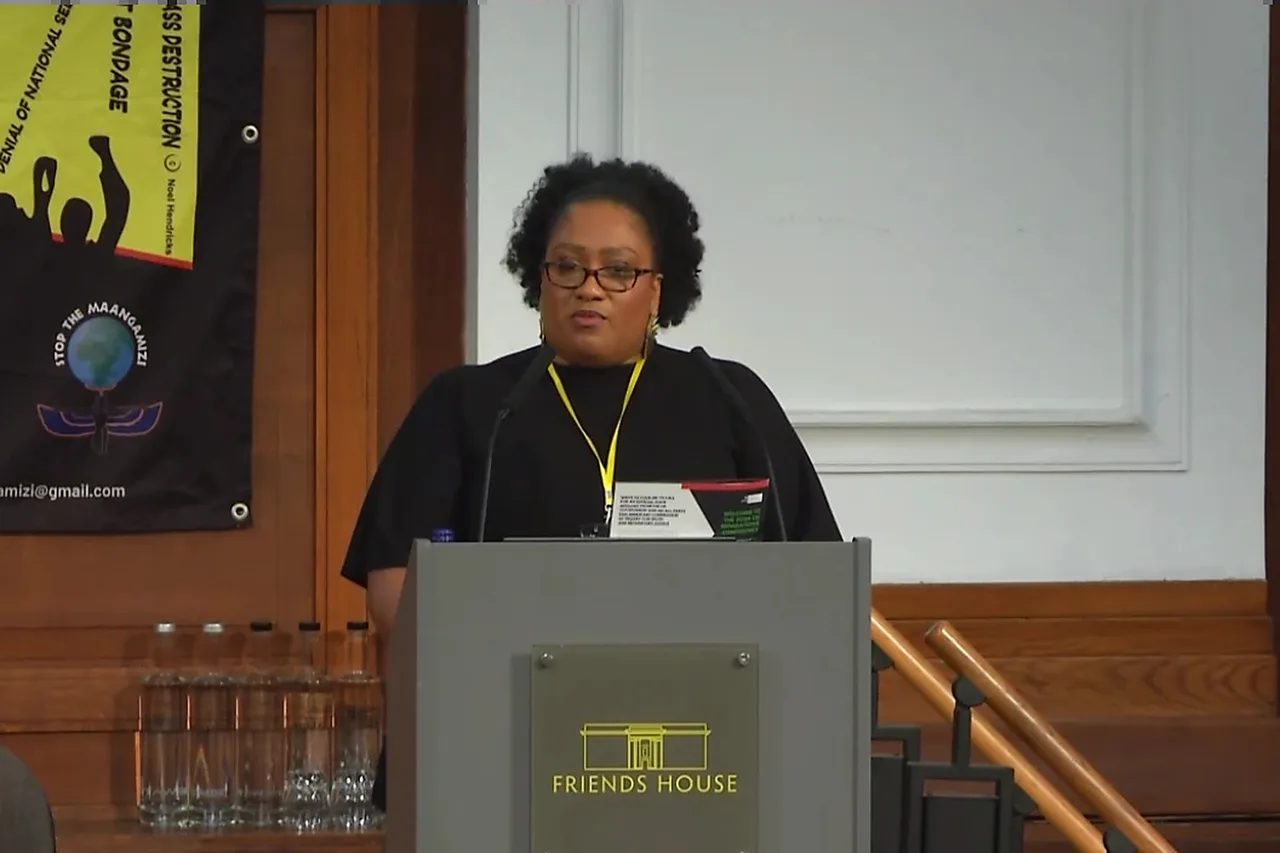
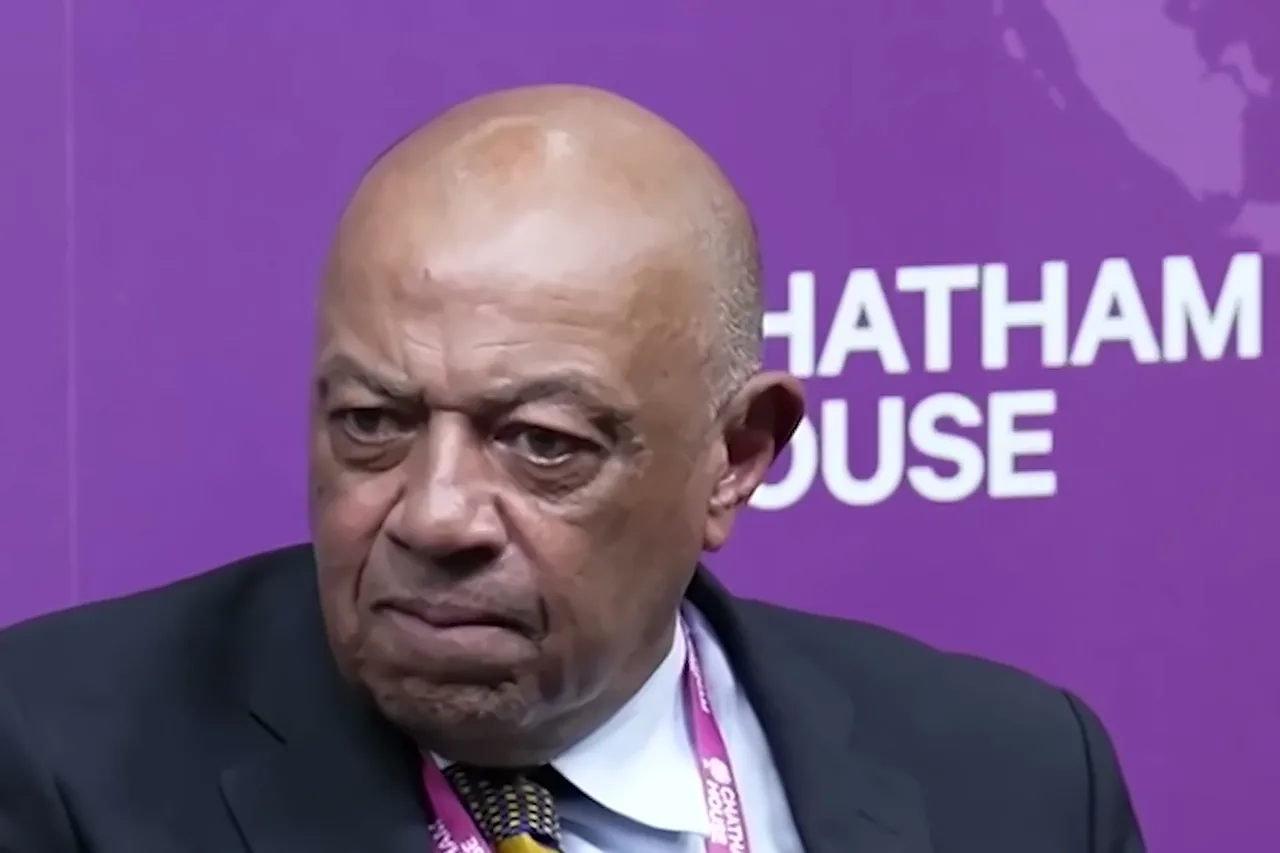
Lord Boateng has described the British Museum as “the largest depository of stolen goods known to man”, telling a Chatham House audience that it is “a charnel house”.
“Literally, quite literally, a charnel house of bones and of relics that are sacred to our indigenous people globally.”
The Labour peer, a former Treasury minister, made the remarks at Chatham House’s event on reparative justice on 15 October, in a clip the think tank has published online.
His powerful remarks come just two days before the UK Reparations Conference, “From Resolution to Repair”, meets in London.
Boateng opened by asking the room, “How many people here are friends of this institution or the other?” He said he was a friend of the British Museum “in the sense that I’ve signed up and I pay a certain amount of money every year”.
He said that where the museum had been “dragged, kicking and screaming to the table”, it had talked, “but they have not delivered”. Then he set out what he wanted:
“So if you’re talking about reparative justice, I want next year the Ethiopian Tabots to be returned – next year. I want, within the next couple of years the Benin Bronzes.”
On the Ashanti gold, he said he wanted it “not to be lent back”. He drew a contrast with Elgin, a reference to the Parthenon sculptures taken by Lord Elgin, saying that in that case there was at least “some sort of transaction”. “Ashanti was looted,” he said. “And they have the gall to loan back to the king of the Ashanti, the stuff they stole in the first place.”
He said the museum’s trustees “should be part and parcel of reparative justice in the way the Church of England and other institutions globally have been”, and called those “immediate objectives”.
He ended: “Emancipate yourselves from mental slavery.”
The quotations here are taken from the captions on the clip Chatham House published. The full recording of the event is on its website.
The Ethiopian Tabots. The British Museum holds 11 Tabots, the sacred altar tablets of the Ethiopian Orthodox Church. A 2021 briefing from the law firm Leigh Day said nine were looted by British forces after the 1868 Battle of Maqdala and that none is on display. A legal opinion commissioned by the firm argued that the trustees could treat them as unfit to be retained under the British Museum Act 1963, and so return them. That is an opinion, not a court ruling.
The Benin Bronzes. National Geographic reported in 2023 that the museum cares for more than 900 Benin bronzes and is legally prevented from returning them. Other institutions have acted: London’s Horniman Museum announced in 2022 that it would hand ownership of its 72 bronzes to Nigeria.
The Asante gold. In 2024 the British Museum and the V&A agreed to lend pieces of Asante gold regalia to the Manhyia Palace Museum in Kumasi on a long-term loan, 15 from the British Museum and 17 from the V&A. The Museums Association reported that the terms were agreed with the Asantehene’s advisers after nine months of talks.
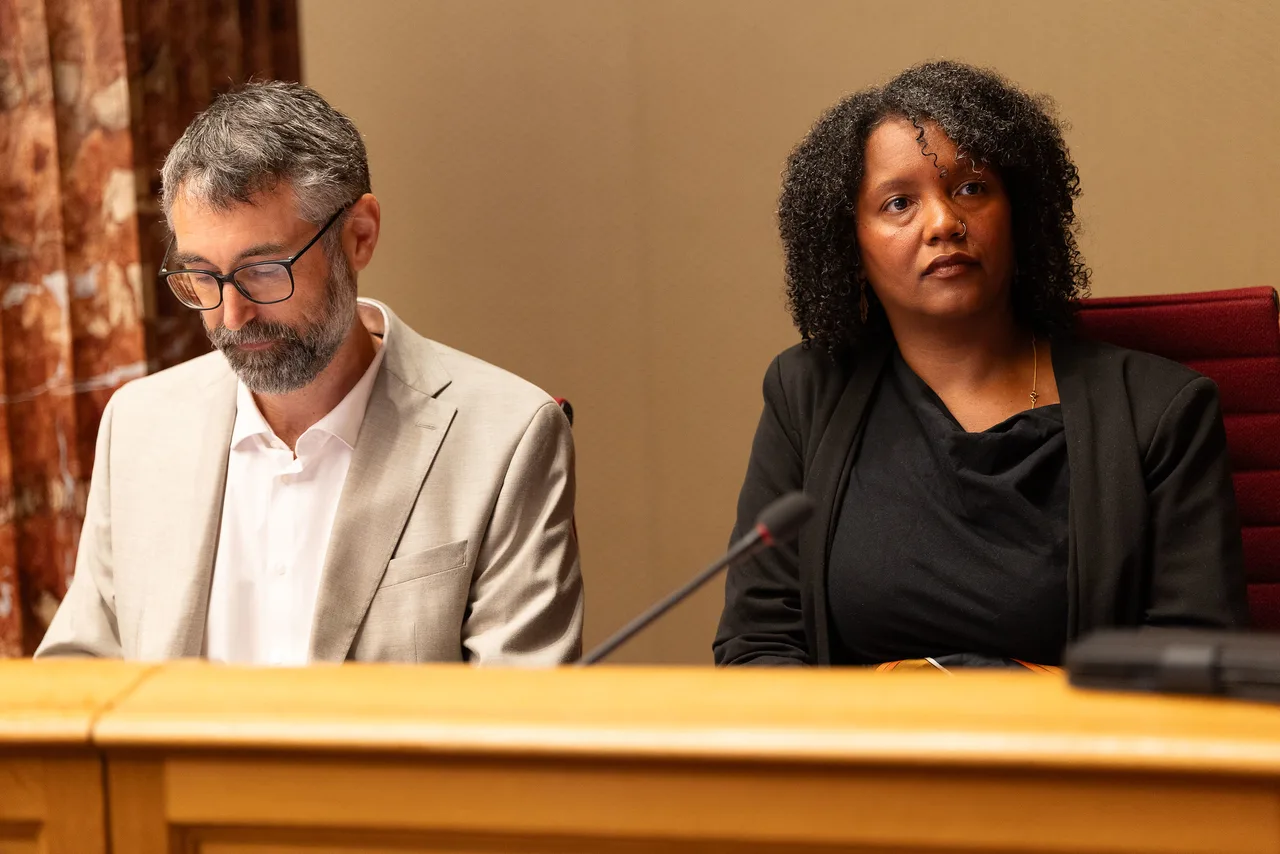
Chatham House’s event, “Reckoning or rhetoric: Is now the time for reparative justice on the global stage?”, was held to mark Black History Month and asked how reparative justice can move from acknowledgement to policy.
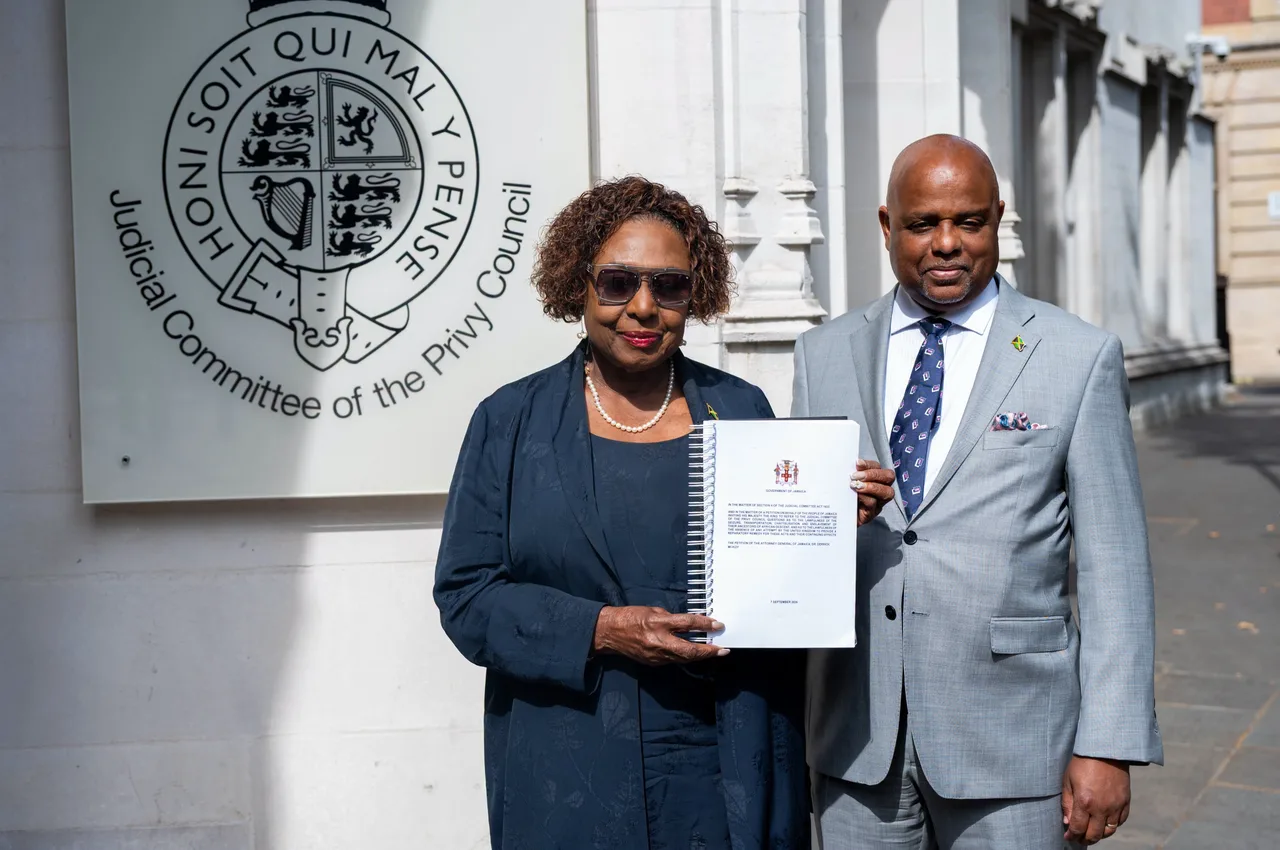
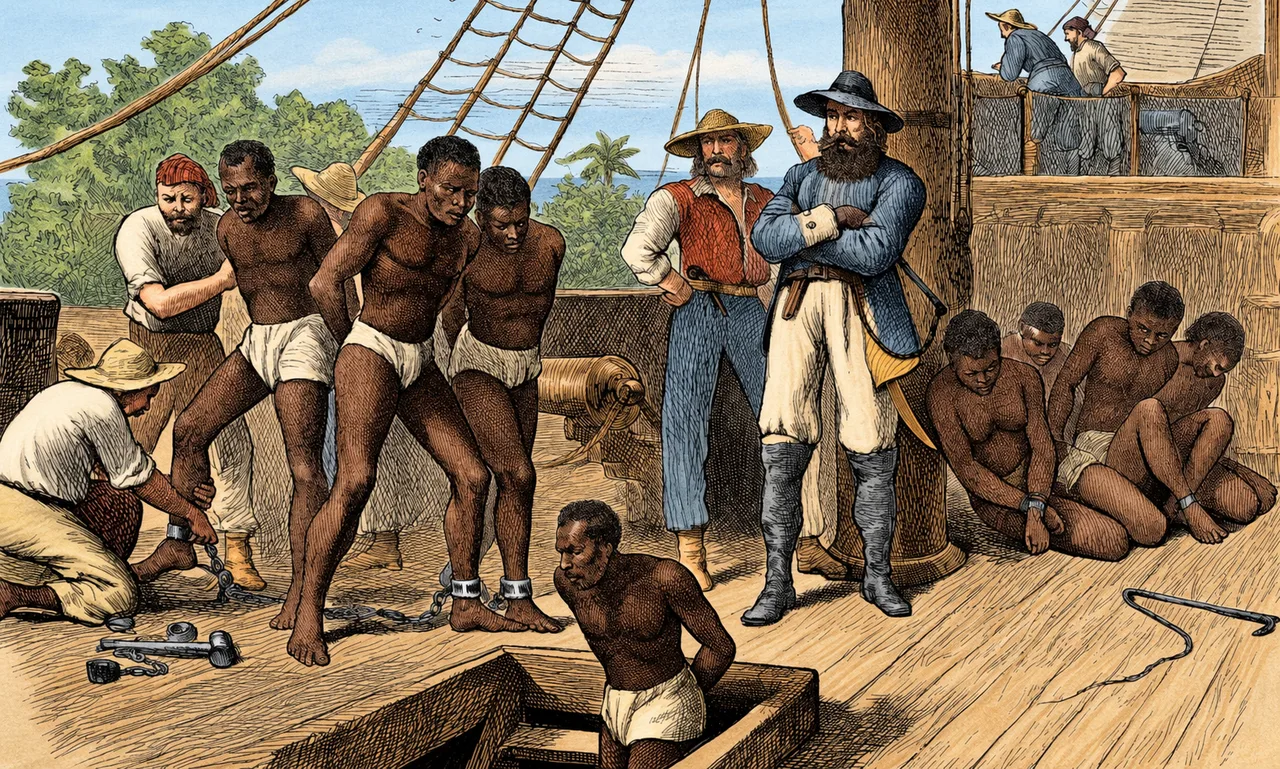
In March 2026 the UN General Assembly adopted a Ghana-led resolution recognising the transatlantic slave trade as the “gravest crime against humanity”, by 123 votes to three, with 52 abstentions. Argentina, Israel and the United States voted against. The UK abstained, objecting to the resolution’s legal wording. The government said “we must not create a hierarchy of historical atrocities” while acknowledging “the abhorrent nature of slavery”, Novara Media reported. The resolution is not legally binding.
The conference in London
The UK Reparations Conference 2026, “From Resolution to Repair”, is organised by the All-Party Parliamentary Group for Afrikan Reparations. Its programme opens with an address from Ghana’s foreign minister, Samuel Okudzeto Ablakwa, and includes sessions on the legal case for reparations, ancestral remains and institutional repair, climate debt, and the terms of a proposed commission of enquiry on reparations.
The programme also points to the government’s announcement on 16 September of a review of its 2005 guidance on human remains in museums, which the Museums Association has reported.
Sources used for this report10 verified links
- Chatham House: Reckoning or rhetoric: Is now the time for reparative justice on the global stage? (15 October 2026)
- UK Parliament: Lord Boateng
- APPG for Afrikan Reparations: UK Reparations Conference 2026 agenda
- Novara Media: UK abstains on UN vote to describe slavery as ‘greatest crime against humanity’ (26 March 2026)
- Leigh Day: British Museum religious treasures could be legally restored to Ethiopian Orthodox Church (11 October 2021)
- National Geographic: Benin Bronzes and the British Museum
- Museums Association: V&A and British Museum to loan Asante gold to Ghana (January 2024)
- Museums Association: Government launches review of human remains guidance for museums (September 2026)
- UK Parliament: official portrait attribution requirements
- Wikimedia Commons: Official portrait of Lord Boateng, 3:2 crop, 2020 (CC BY 3.0)