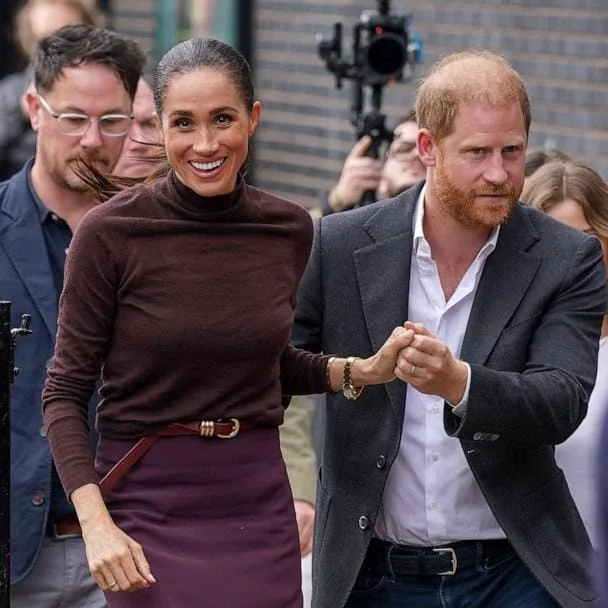

A woman who attended Prince Harry and Meghan’s recent visit to Nottingham has delivered a powerful first-hand account of the reception the couple received, arguing that their connection with children and families from diverse communities went far beyond the attraction of seeing two famous faces.
Speaking during a radio discussion after personally attending the visit and meeting Prince Harry, the caller identified herself as a Black woman and described being struck by the way children responded to Meghan. For her, seeing children looking towards the Duchess and seeing something of themselves represented carried a significance that should not be overlooked.
“You cannot buy what Meghan and Harry have,” she said during the discussion, as the panel debated why the Duke and Duchess of Sussex had drawn such an enthusiastic response. The caller strongly rejected the suggestion that the reaction could simply be explained by their celebrity, pointing instead to the diverse make-up of the community and the couple’s interaction with the people who had gathered.
The comments followed Harry and Meghan’s visit to Nottingham on Thursday, 15 October, where they visited the Community Recording Studio in St Ann’s, Himmah and Epic Partners. The organisations work with communities and young people across areas including creativity, mentoring, youth development, food insecurity and practical support.
For the Nottingham visitor, however, what happened among the crowds appeared just as important as the official programme. She told the panel she had been surprised by the response of children to Meghan and by how Meghan responded to them. Her argument was that representation can have a deeply personal meaning for children who may rarely see someone they identify with occupying such an internationally prominent position.
That point became the centre of a spirited exchange. One participant suggested the crowds were understandable because Harry and Meghan are extremely famous people. The caller pushed back, arguing that this missed what she had witnessed in person and questioning whether other members of the Royal Family would have generated the same response from that particular community.
Asked directly whether she personally would have turned out for Catherine, Princess of Wales in the same way, her answer was blunt: “No.” She added: “She’s got nothing to offer me.” The remark was personal rather than a measure of wider public opinion, but it opened up a much bigger discussion about what representation means and why different members of the Royal Family may connect with different sections of Britain.
Another voice in the discussion captured the wider point, arguing that people are free to like or dislike particular royals, but that representation inside an institution where some people have historically felt left out can matter. The discussion was not limited solely to race, with the argument broadening to people who may have felt disconnected from the traditional image of royalty.
The conversation also turned to Princess Diana and how her charitable work might have developed had she lived. The Nottingham caller suggested that Diana, following her divorce from King Charles III, would have continued pursuing an independent charitable life and drew a comparison with the community-focused work now associated with her younger son.
Whatever view people hold of the Sussexes, Nottingham provided a tangible backdrop to that argument. Harry’s relationship with the Community Recording Studio stretches back to 2013, and in September 2025 he announced £1.1 million in funding through BBC Children in Need to support work involving the studio and Epic Partners. The Community Recording Studio began by providing young people with access to music and recording facilities and has expanded into areas including mentoring, sport and youth development.
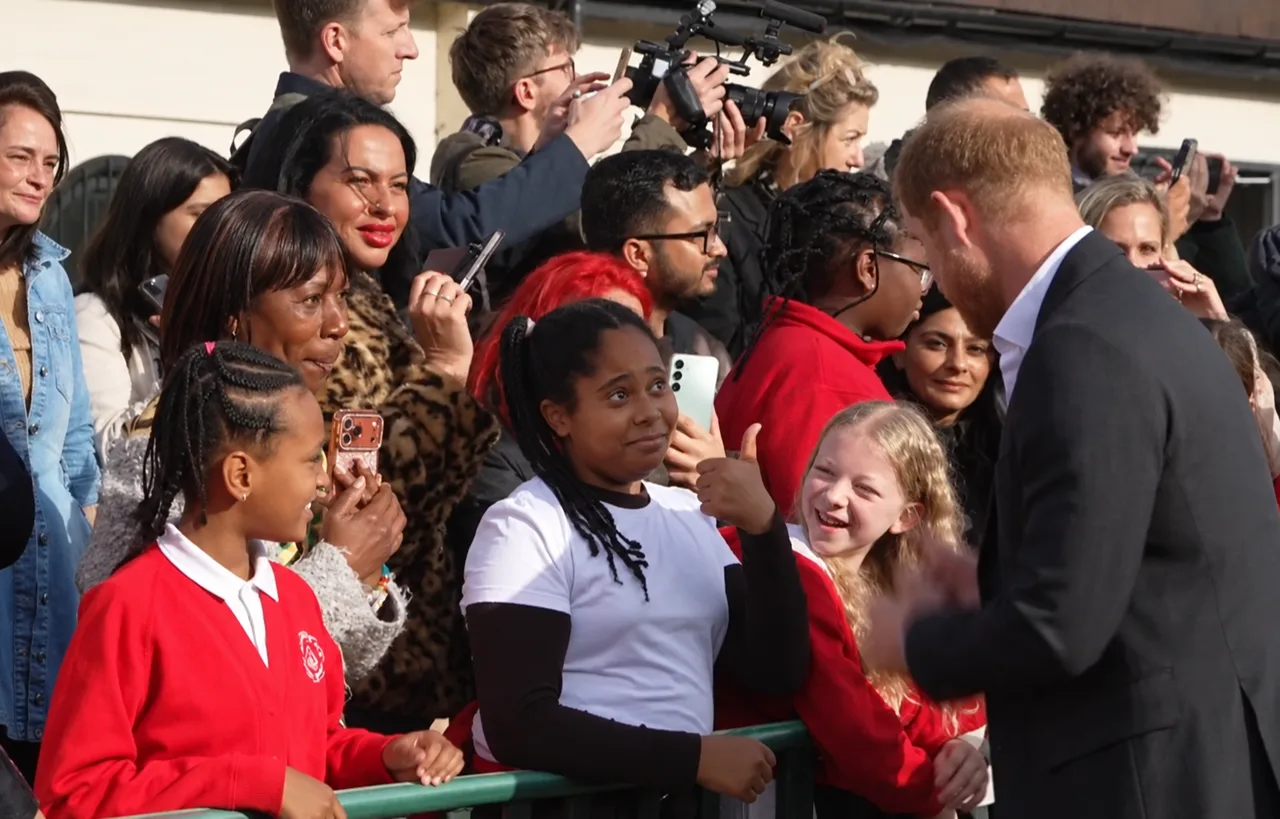
During the October visit, Meghan was due to join young girls in a bracelet-making workshop centred on confidence and self-belief, while the couple’s wider programme took them into organisations working directly with communities experiencing hardship.
The visit itself also carried history. Nottingham was where Harry and Meghan made their first joint public appearance following the announcement of their engagement in 2017, giving their return to the city an added significance.
But the radio exchange poses a question that stretches well beyond one royal visit: what makes a public figure genuinely connect with a community? Is it simply fame and the excitement of seeing someone recognisable, or can background, lived experience and the feeling of being represented make that connection considerably stronger?
The Nottingham woman who stood among those crowds believes she saw the answer for herself. For her, watching children respond to Meghan was not simply another celebrity moment. It represented something much more personal, and her words cut directly through the wider royal debate: “You cannot buy what Meghan and Harry have.”