Campaigners, lawyers and parliamentarians gather in London for “From Resolution to Repair”, with Ghana’s foreign minister, Samuel Okudzeto Ablakwa, among those due to speak. Follow our live coverage.
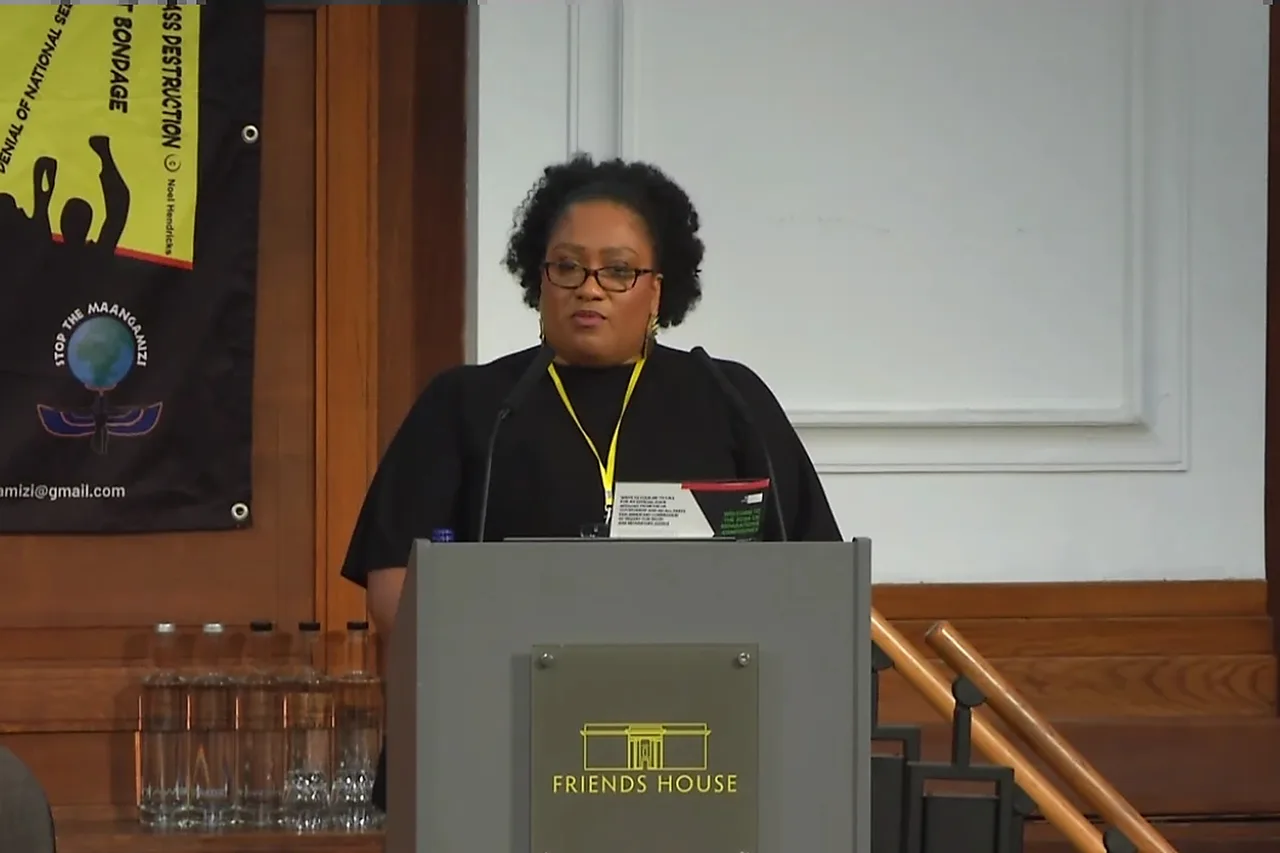
Bell Ribeiro-Addy MP, chair of the APPG for Afrikan Reparations, at the UK Reparations Conference at Friends House in London. Still from the conference stream.
The All-Party Parliamentary Group for Afrikan Reparations is holding its annual UK Reparations Conference in London today under the title “From Resolution to Repair”, with campaigners, lawyers, academics and parliamentarians from the UK, Africa and the Caribbean due to speak.
It follows March’s UN General Assembly resolution recognising the transatlantic slave trade as the “gravest crime against humanity”, adopted by 123 votes to three with 52 abstentions. The UK abstained.
JAM is following the main hall from the conference stream. Our live updates are below.
Who is due to speak
Welcome. Bell Ribeiro-Addy MP, chair of the APPG; Rita Remi-Judah of the Quakers Reparations Working Group; Jacqui McKenzie, partner at Leigh Day; and Eleanor Shearer of Common Wealth.
Special address. Samuel Okudzeto Ablakwa, Ghana’s Minister for Foreign Affairs.
Opening plenary. Onyekachi Wambu of AFFORD; Esther Xosei of Stop The Maangamizi; Ralph Gonsalves, the former prime minister of St Vincent and the Grenadines; Nana Kobina Nketsia V, paramount chief of the Essikado Traditional Area in Ghana’s Western Region; Diane Abbott MP; and Lord Marvin Rees, the former mayor of Bristol.
Breakout sessions, from 11:55. The legal session, “Building a Legal Mandate for Repair”, includes the barrister Harj Narulla, Prof Justin Hansford of the Thurgood Marshall Civil Rights Center and Dr Panashe Chigumadzi, the African Union’s rapporteur for the Committee of Experts on Reparations. A session on ancestral remains and institutional repair includes Prof Dan Hicks of the University of Oxford and Peter Herbert of the Society of Black Lawyers. Others cover climate debt, community organising, healing and solidarity, a proposed commission of enquiry on reparations, faith institutions and aid, racism, the arts and media, and education.
Closing plenary. Prof Verene Shepherd, vice-chair of the CARICOM Reparations Commission and of the UN Committee on the Elimination of Racial Discrimination; Kenniss Henry of N’COBRA; and Jasmine Mickens of the Global Africa Reparations & Restitution Fund. A drinks reception at SOAS follows.
Times in the printed programme may slip during the day.
How to watch
The main hall is streamed on Zoom, and the organisers publish the links on the conference’s watch page. They say several sessions will be recorded and put on YouTube later.
Background
According to the programme, the conference follows a joint 19-point reparations plan adopted by the African Union and CARICOM in June, and a finding in August by the UN anti-racism committee that the harms of the transatlantic slave trade “continue to manifest”. The government announced on 16 September a review of its 2005 guidance on human remains in museums.
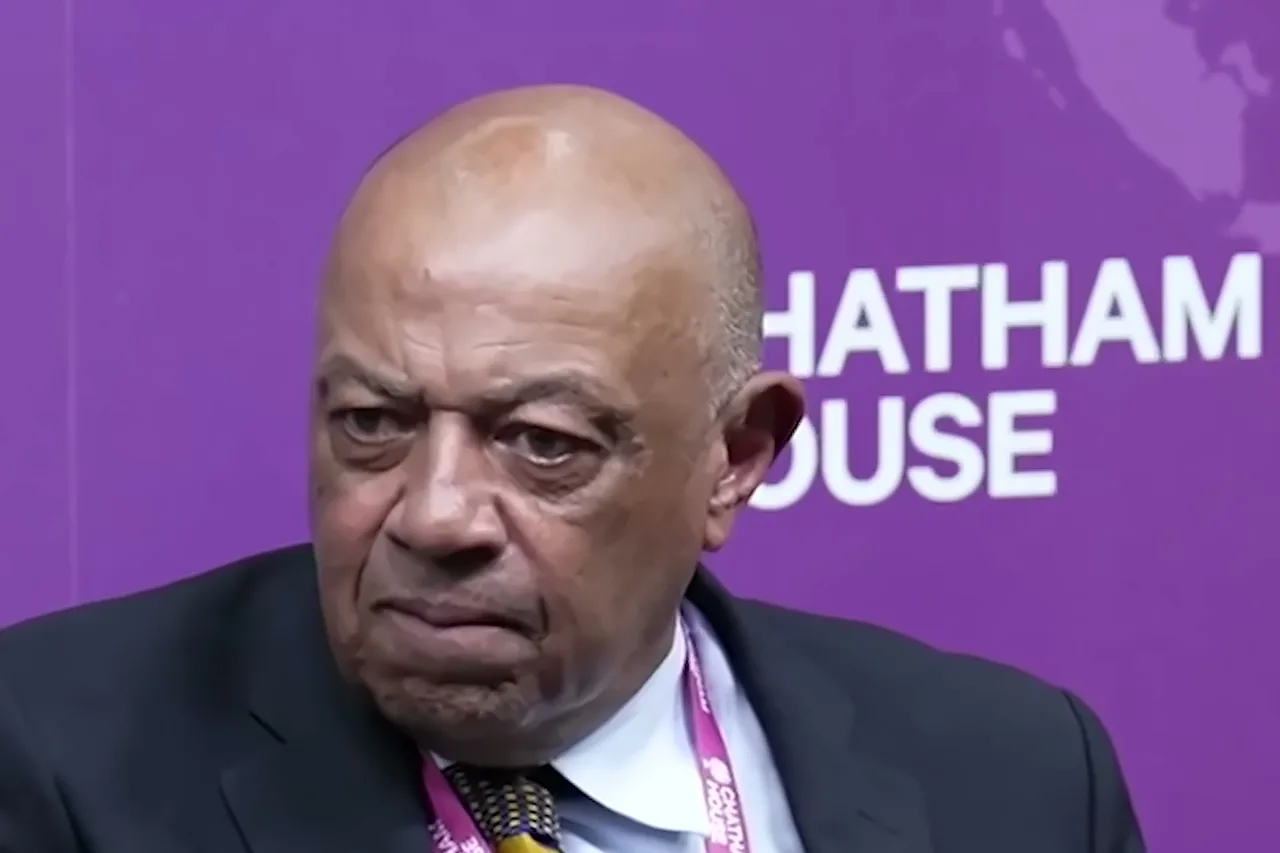
On Thursday, Lord Boateng told a Chatham House event on reparative justice that the British Museum is “the largest depository of stolen goods known to man”. Read our report.
Coverage complete
Latest updates
Last updated Sat 17 Oct, 17:30
Follow the UK Reparations Conference 2026, “From Resolution to Repair”, as speakers address the main hall in London. Updates are taken from the conference stream.
Update
“You can’t talk about America without British Empire”
A conference statement shown on screen said the 2026 UK Reparations Conference “calls on the APPG for African Reparations to take all necessary steps to establish an All-Party Parliamentary Commission of Inquiry for Truth and Reparatory Justice.”
Speaking of the British Empire as “the belly of the beast”, a speaker told the room: “You can’t talk about America without British Empire.” She called the proposed commission “powerful”, invoked James Baldwin and said the work “is not just talking”.
By Euen Herbert-Small
Update
“What do we want to achieve in 2027?”
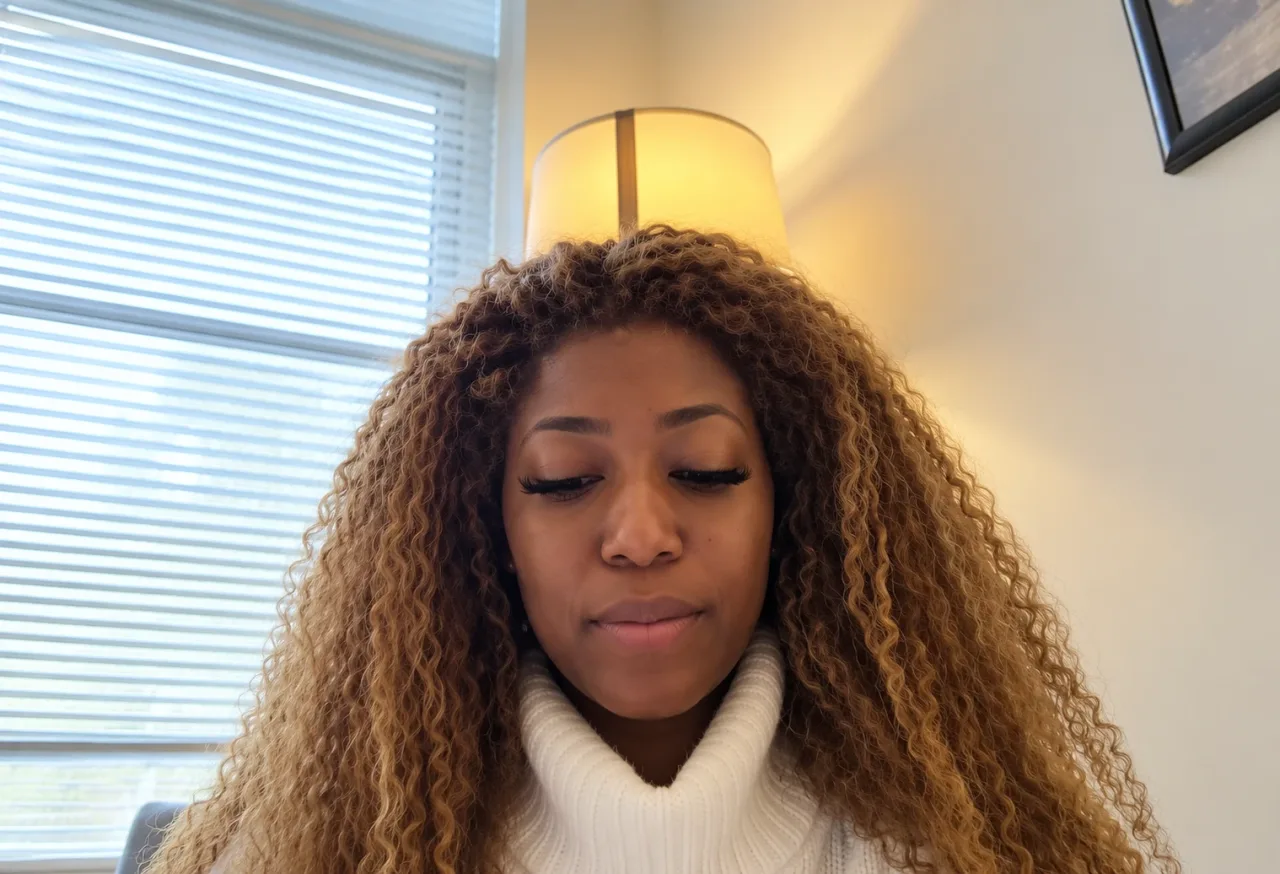
Speaking by video, Jasmine Mickens of the Global Africa Reparations & Restitution Fund said there is “a lot of momentum” behind the reparations movement, with strong leadership from the African continent and across the Caribbean, where she said CARICOM has moved to revise its Ten Point Plan and frame it within a manifesto. She pointed to Ghana’s resolution earlier this year declaring the racialised trafficking and chattel enslavement of Africans the gravest crime against humanity, and to the African Union’s year of reparations widening into a decade of reparations and justice. “What do we want to achieve in 2027?” she asked the room.
Jasmine Mickens, in a white roll-neck jumper, speaking by video to the UK Reparations Conference.By Euen Herbert-Small
Update
Session closes: “an important discussion”
Chair Nadine White, founder of Black Current News, brought the session to a close, thanking the panel, the audience and the APPG on Afrikan Reparations. “It would have been great to continue, but time flies,” she said, adding that it had been “an important discussion” and that she hoped everyone had taken something positive away from it.
Nadine White, chair of the session and founder of Black Current News, at the UK Reparations Conference.By Euen Herbert-Small
Update
From the floor: “we need more stories from South America”
In the question session that followed, a member of the audience said their final point was that more stories are needed from South America: “not just Colombia and Brazil, but other places as well.”
The chair then said many people wanted to ask questions and that the conversation could continue after the session.
By Euen Herbert-Small
Update
“This is not the oppression Olympics”
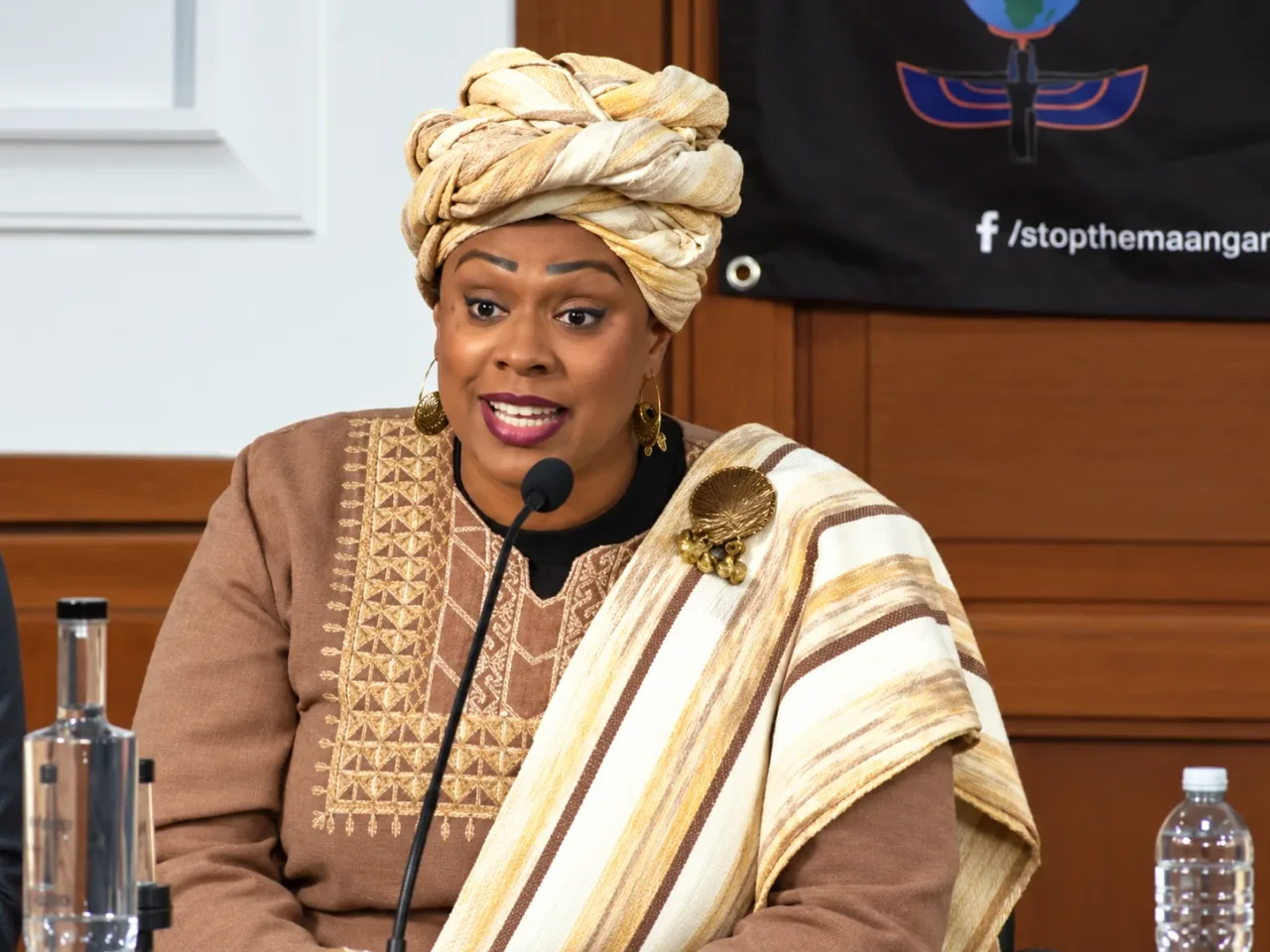
Closing her remarks, the speaker who earlier called for the return of Nandi heritage said everybody should be upset. She called it a “world-breaking crime” and added: “this is not the oppression Olympics.”
A speaker in a cream and gold head wrap and a brown embroidered top, speaking into a microphone at the UK Reparations Conference.By Euen Herbert-Small
Update
“Let this be the first example of repair in real time”
A speaker in the “Who Tells Our Story” session, who said she had caught a flight from Baltimore to have the conversation in person, told delegates that reparations is about regeneration.
She said all that is needed is for students at SOAS, Birmingham and Oxford to stand up and say enough, and called for Nandi heritage and ancestral heritage to be sent back to Kenya. “Let this be the first example of repair in real time,” she said.
Artists and culture workers, she said, pay their own way and do not have the resources to keep meeting in forums like this. She described them as “the rhythm people”.
A speaker in a cream and gold head wrap and a brown embroidered top, speaking into a microphone at the UK Reparations Conference.By Euen Herbert-Small
Update
Panellist: diversity in the media is about who shapes the agenda
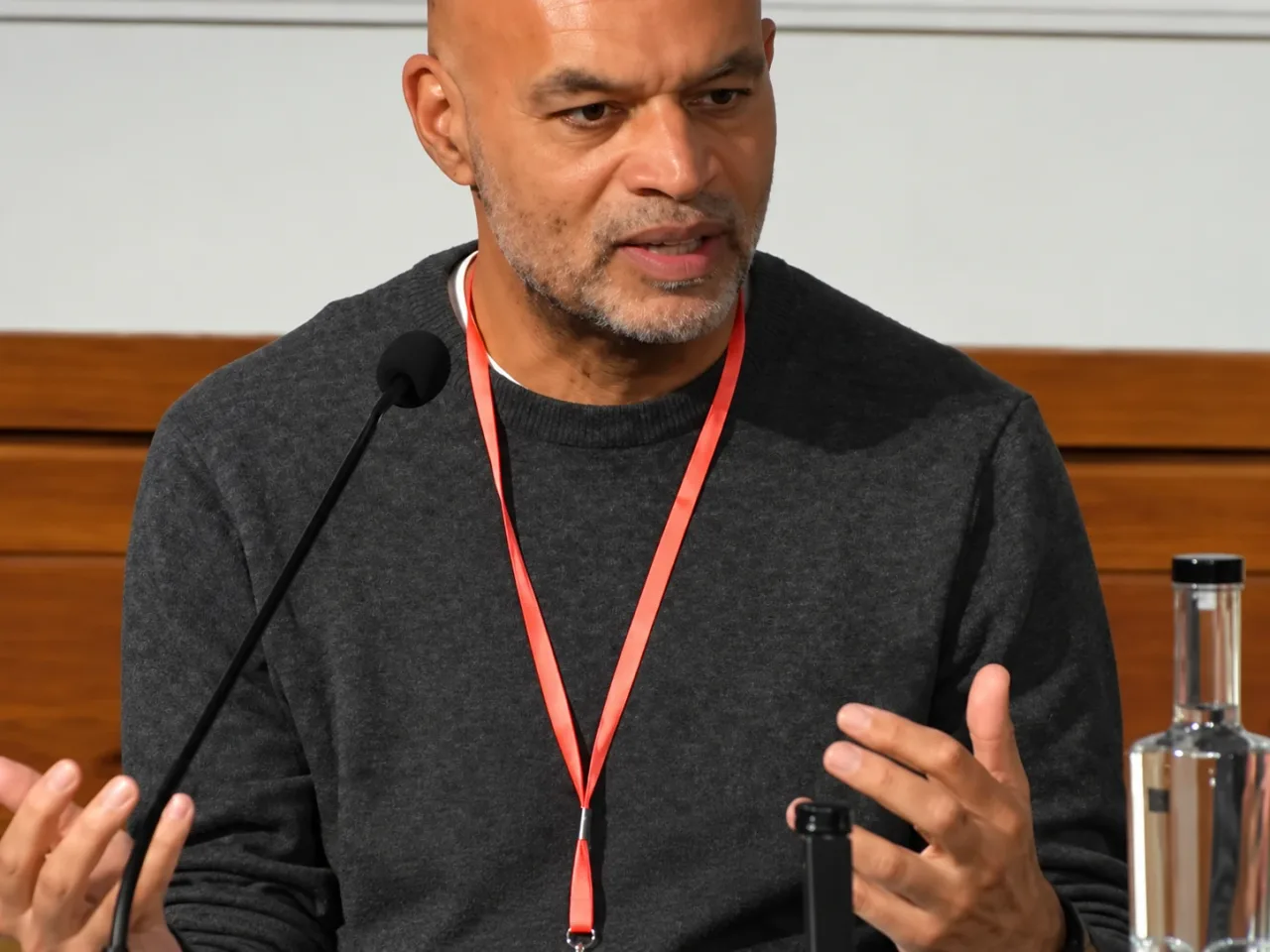
Speaking in the “Who Tells Our Story” session, a panellist who referred to the Guardian’s own work on repair said talk of diversity and inclusion in the media can sound like a glib phrase, but it is a way of answering structural, institutional questions: whether the people in the building are listened to and can shape the agenda and the decisions.
He recalled that in the 1980s and 1990s people like him were not allowed to speak, describing it as censorship rather than a free speech issue, with someone at the top deciding which stories were covered.
Even now, he said, across most newsrooms the questions are which stories get covered, from what angles and with what perspectives. He pointed to coverage of Gaza as a clear way of seeing whose lives are valued.
A panellist in a grey jumper and red lanyard speaking into a microphone at the UK Reparations Conference.By Euen Herbert-Small
Update
Abbey: “the people who controlled the minds” were all older white men
Nels Abbey told the session about four years he spent working at a very large media organisation, where he said the editorial meetings were held at 9am and 2pm every day, with top editors from around the world in the room and people from all the major programmes.
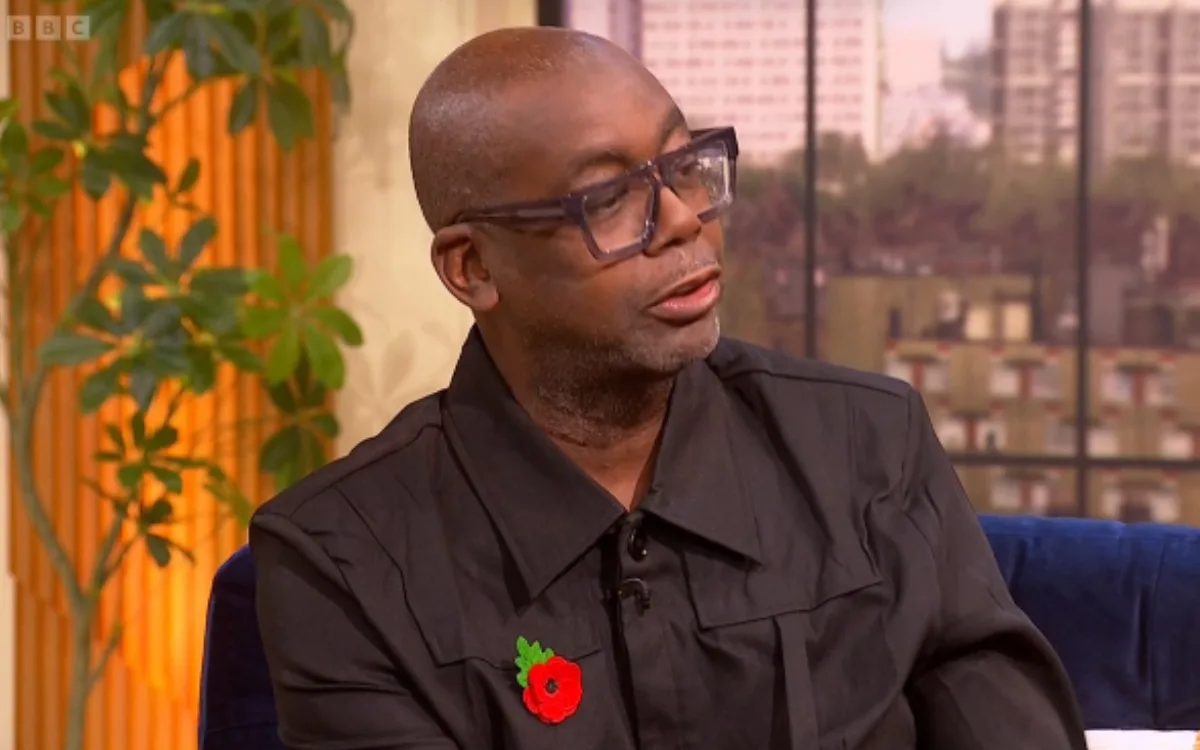
“These are the people who controlled” what the British public, and the global public, learned, he said, adding that most people in Africa get their news from CNN or the BBC. What struck him, he said, was that everyone around the editorial table, “without a single exception”, was an older white man.
By Euen Herbert-Small
Update
Nels Abbey: who gets to tell the story?
In the “Who Tells Our Story” session on reparations in the arts and media, writer and broadcaster Nels Abbey began by asking who gets to tell “our story”, and who gets to tell other people’s.
He pointed to Netflix and its drama The Crown, arguing that the British establishment was protective over who got to tell the story of the royal family and the British state.
Earlier, a speaker who described working as an artist said film and co-creative workshops can give people a way to offer testimony about reparations. Moving image, they said, is an accessible format that can reach a broader audience, and the work could feed into the terms of reference of a proposed commission of enquiry.
By Euen Herbert-Small
Update
Audience member: “We really need some action points rather than excellent further analysis”
At the close of a breakout session, a medic and academic in the audience told the panel that delegates had heard “some expert and splendid analysis, but we really haven’t answered the questions that we set out to, not so much who pays, but what we are doing about it”.
“We really need some action points rather than excellent further analysis,” the questioner said. The moderator said time was short and asked each panellist for a quick response.
By Euen Herbert-Small
Update
Jacqui McKenzie at the podium
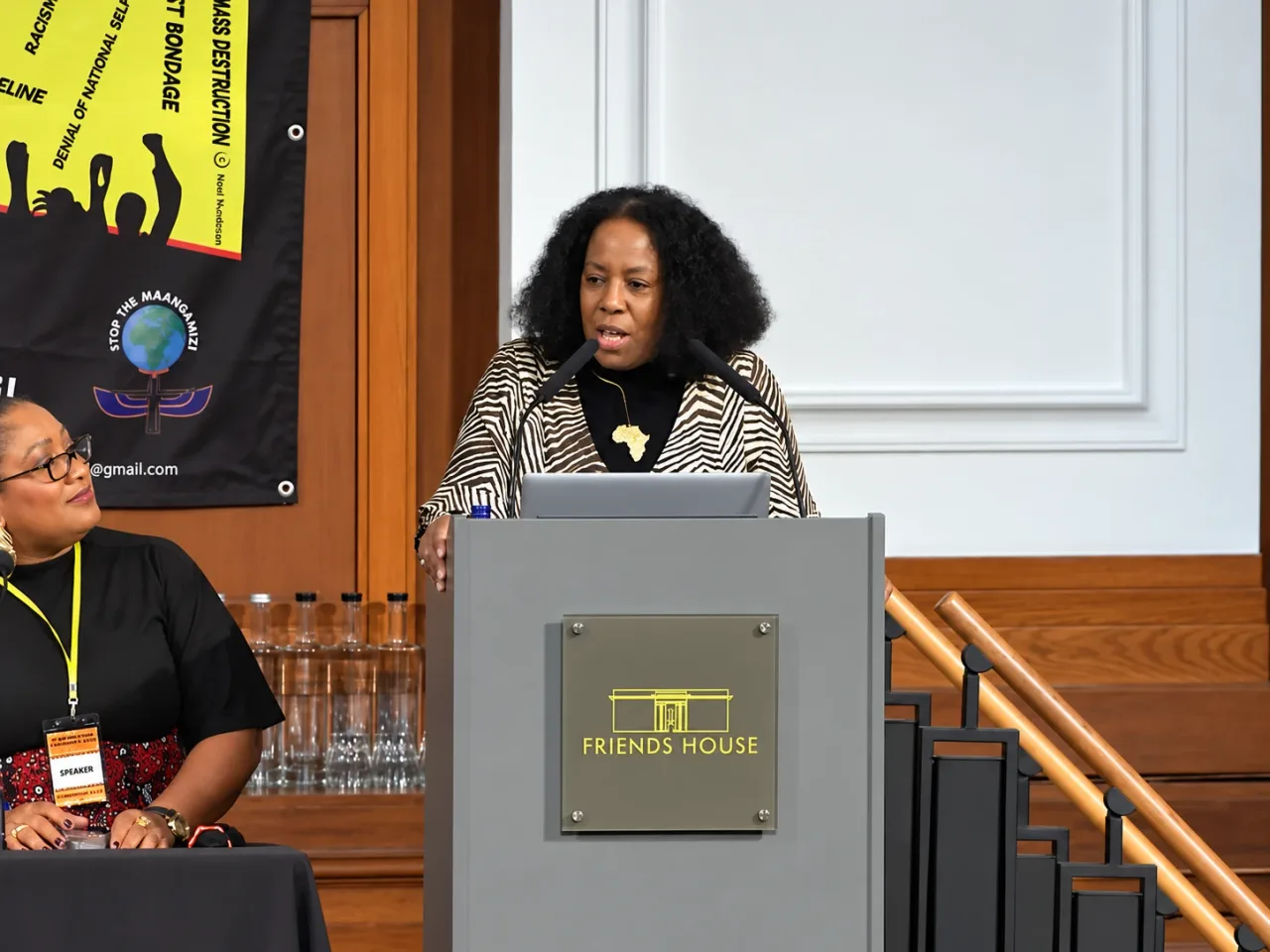
Jacqui McKenzie, a partner at Leigh Day, addresses the conference at Friends House. Photo: Uzo Iwobi.
Jacqui McKenzie, in a zebra-print jacket, speaking at a podium marked Friends House.By Euen Herbert-Small
Update
Abbott: “We fought for our freedom”
Diane Abbott MP told the conference that people too often talk about the slave trade “as if we all just sat there waiting for those benevolent white people to free us”.
“But it wasn’t like that,” Abbott said. “In Jamaica at least the slaves rose up. They rose up and challenged them, and that was all across the slave holding world. So we were prepared to fight for our freedom.”
Abbott urged delegates never to fall into the idea “that it took benevolent slave holders to free us”. “We fought for our freedom, we obtained our freedom,” Abbott said. “And we have to continue to fight today for recompense”, Abbott said, for “the cruelty of slavery”.
By Euen Herbert-Small
Update
Barbados prime minister Mia Mottley addresses the conference by video
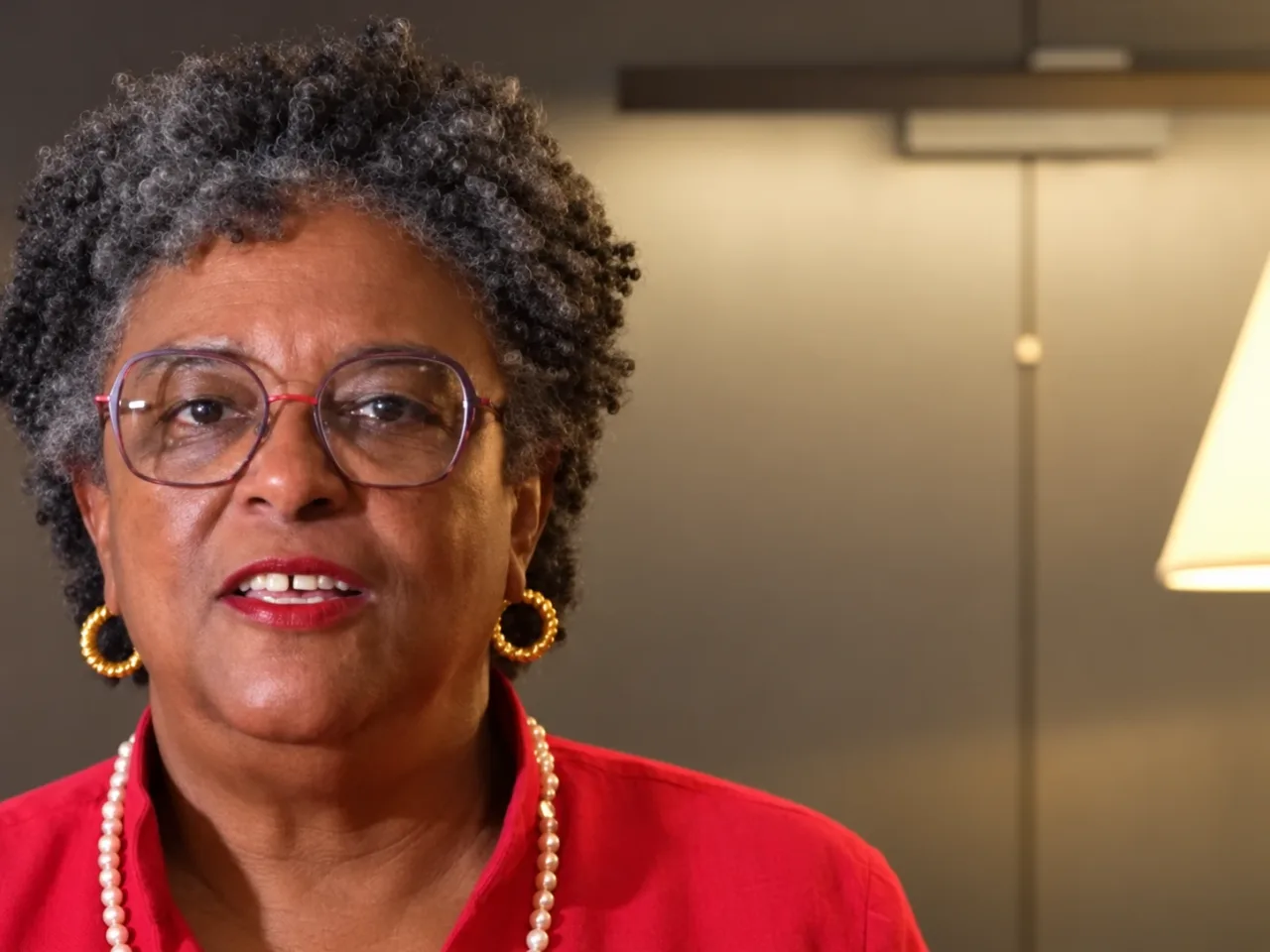
Mia Mottley, Barbados’s prime minister, addresses delegates by video. Still from the conference stream.
Mia Mottley, wearing glasses, a red top and a pearl necklace, addressing the UK Reparations Conference by video.By Euen Herbert-Small
Update
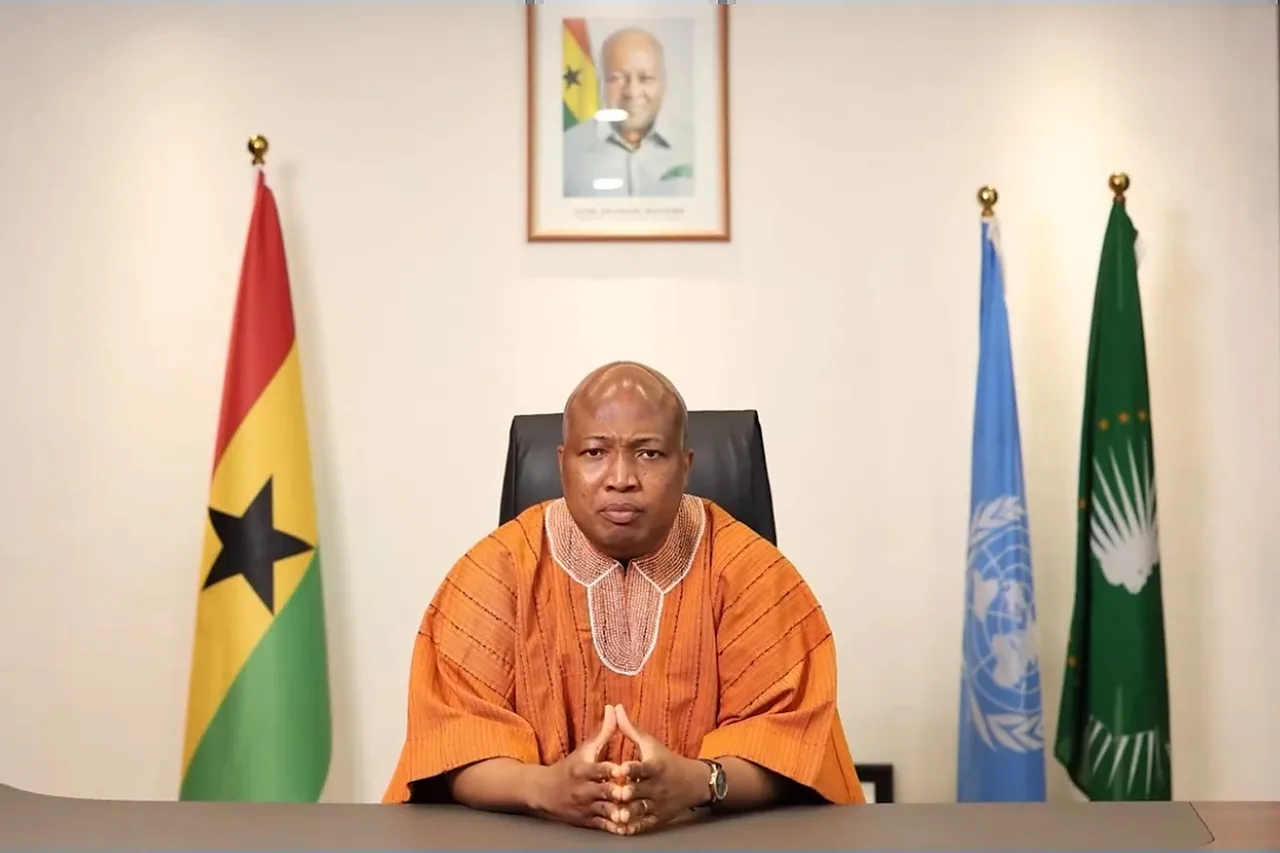
Ghana’s foreign minister addresses the conference by video
Samuel Okudzeto Ablakwa, Ghana’s foreign minister, addresses delegates by video. Still from the conference stream.
Samuel Okudzeto Ablakwa in an orange smock seated at a desk with his hands clasped, between the flags of Ghana, the United Nations and the African Union.By Euen Herbert-Small
Update
McKenzie: UK diaspora must organise to negotiate in its own right
Jacqui McKenzie, a partner at Leigh Day, told delegates that the UK’s African diaspora needs to organise and be structured “so that it can be a representative voice and bring legal actions and negotiations”, or seek talks “in its own right”.
McKenzie said an elder statesman respected for work on reparations had remarked, during a discussion of Jamaica’s petition and CARICOM’s plans, that “this work is that of CARICOM”. That, McKenzie said, was when the realisation came that the diaspora must come up with its own plans.
After two years of discussions, McKenzie said, “hopefully we’re about to make some progress”. CARICOM and the African Union will negotiate deals with Europe, McKenzie said, but how that plays out is “to be seen”, and whether it amounts to reparations is “also left to be seen”.
By Euen Herbert-Small
Update
Mottley: “We must face the history honestly”
Barbados prime minister Mia Mottley, who was not in the printed programme, addressed the conference by video and set out three priorities: “We must face the history honestly. We must agree what repair means in people’s lives. We must organise to deliver it.”
She said Britain agreed in 1833 to provide £20 million in compensation to enslavers, while “the people whose labour had been stolen received no compensation under that settlement”. “So when we’re told that reparations are too complicated, I ask a simple question,” she said. “How was it possible to find the money and make arrangements to compensate those who owned human beings?”
Mottley said Barbados’s colonial parliament passed the slave code of 1661, which “gave legal protection to a system that treated human beings as property”. That history, she said, places “a particular responsibility on us to tell the truth and to use the power of the state to restore dignity”.
Welcoming March’s UN General Assembly resolution, she said recognition matters but “our task now is to translate it into action”. She thanked the APPG for keeping the issue before the British Parliament and the British people, and saluted Sir Hilary Beckles and the CARICOM Reparations Commission.
By Euen Herbert-Small
Update
Ghana’s foreign minister sends message of support
Ghana’s foreign minister, Samuel Okudzeto Ablakwa, addressed the conference by video, telling delegates that Ghana is “cheering you on” and is “solidly with you”.
He said pessimists had predicted that, with European countries opposed, there would be no engagement and nothing would change. “We are making a lot of gains,” he said, adding that “our determination is one that is unquenchable”. He promised to attend the next conference in person.
The UK and the EU’s 27 members abstained in March’s UN vote on the Ghana-led resolution. Argentina, Israel and the United States voted against.
By Euen Herbert-Small
#uk reparations conference#reparations#appg for afrikan reparations#slavery#live#ghana#london