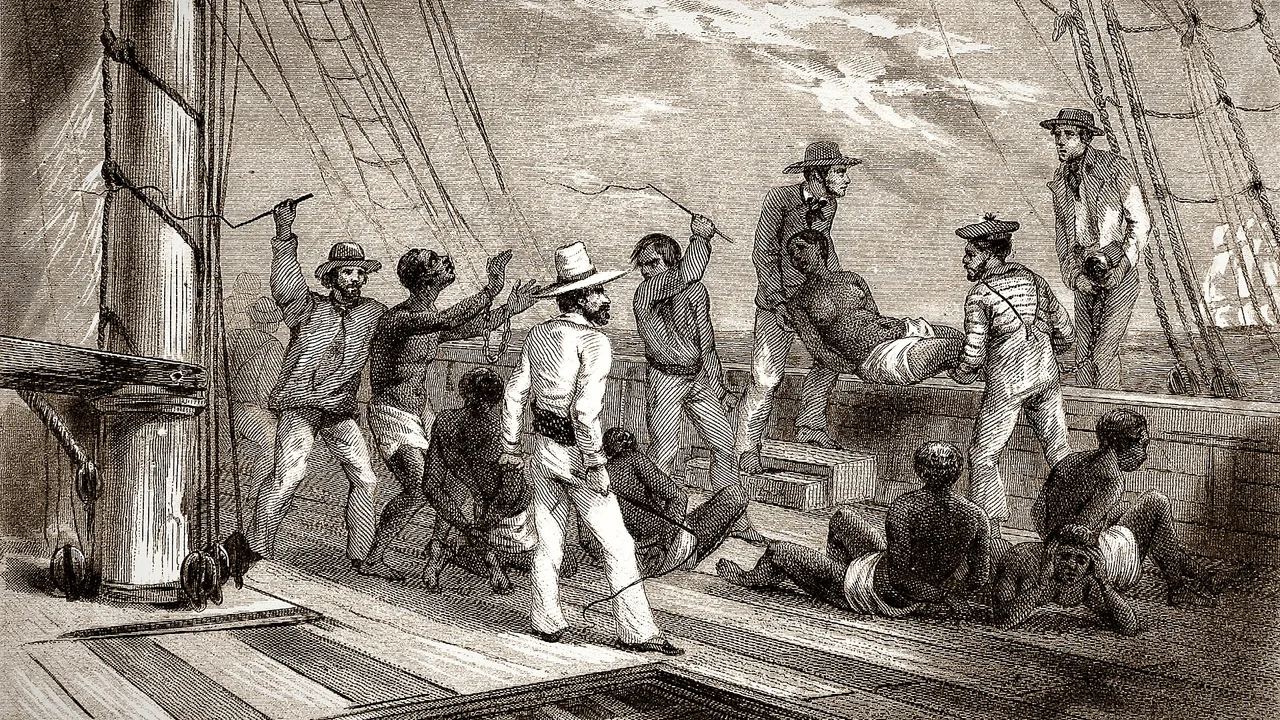

On 29 November 1781, 245 years ago today, the crew of the British slave ship Zong began throwing living Africans into the Caribbean Sea.
The first group, 54 people, were women and children. Forty-two men followed on 1 December, and more in the days after. Ten others jumped. Most accounts put the dead at more than 130.
Related stories
The Zong belonged to a syndicate led by William Gregson, a Liverpool slave trader. It left West Africa in 1781 with about 440 Africans held aboard. The London Museum puts the figure nearer 470, around twice what the ship was designed to carry.
Its captain, Luke Collingwood, was a ship’s surgeon who had never before commanded a slave vessel. Sickness spread. Then the western end of Jamaica was mistaken for part of Saint-Domingue, now Haiti, and the Zong sailed past its destination with water running short.
The crew’s answer was to kill people they were holding. The owners could not claim on their insurance for captives who died a natural death on board. They could try to claim for human beings, listed as cargo, who were thrown over the side to save the rest.
The crew later said there was not enough drinking water for everyone. The insurers disputed that account, and rain fell before the voyage ended.
On 22 December the Zong landed 208 surviving captives at Black River, Jamaica, to be sold.
Related stories
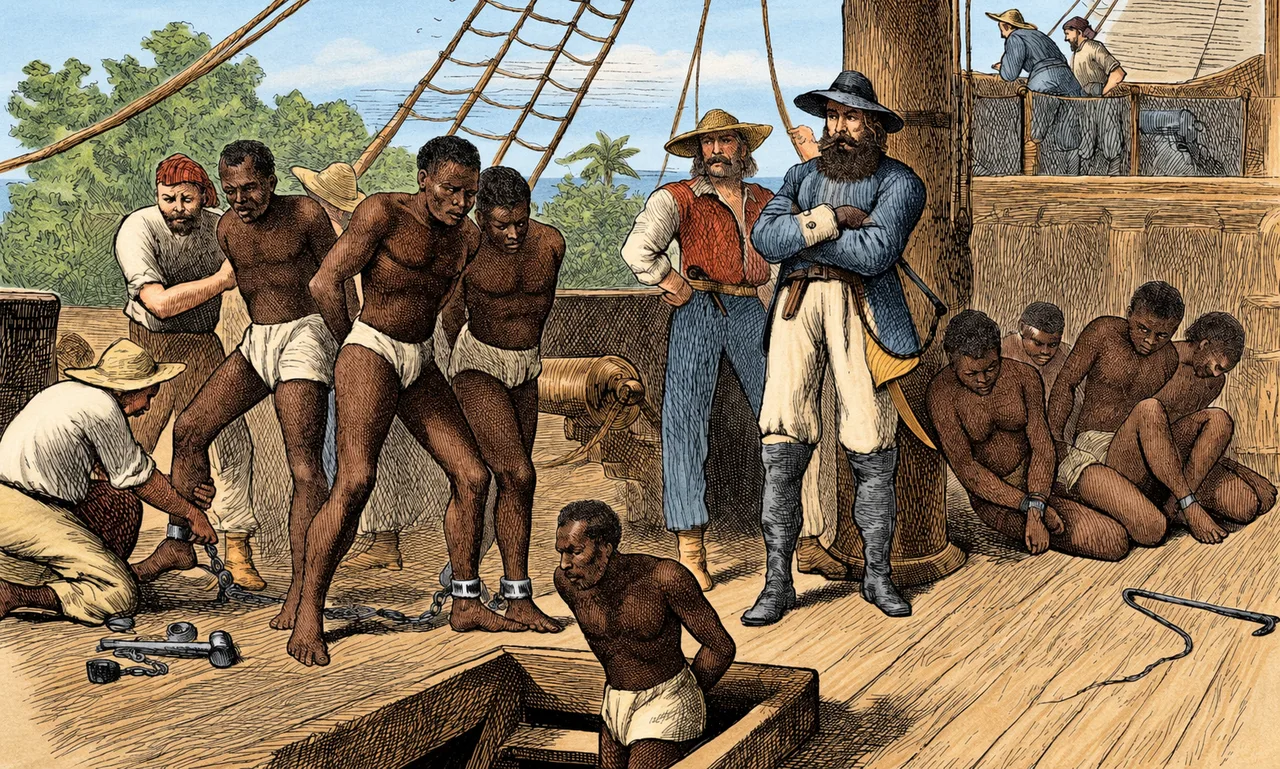
The owners claimed £30 for each person thrown overboard. The insurers refused to pay. In March 1783 a jury at London’s Guildhall sided with the owners and awarded them £3,660, the price of 122 lives at £30 each.
The insurers appealed. At the Court of King’s Bench on 22 May 1783, the Lord Chief Justice, Lord Mansfield, said the first jury had been left to decide whether the killing arose from necessity, “for they had no doubt (tho’ it shocks one very much) the Case of Slaves was the same as if Horses had been thrown over board”.
Mansfield ordered a new trial. There is no sign that it ever took place. The question before the courts had been who should pay. No one was ever prosecuted for the killings.
Related stories

In March 1783 Olaudah Equiano, an African who had bought his own freedom, took the case to the campaigner Granville Sharp. Sharp wrote to the prime minister asking for a murder trial. He did not get one.
The case became one of those that drove the movement against the slave trade. Parliament limited the numbers slave ships could carry in 1788, banned the British slave trade in 1807 and passed the Slavery Abolition Act in 1833. The £20 million in compensation that came with abolition went to slave owners, not to the people they had held.
J.M.W. Turner’s 1840 painting Slave Ship, which shows the dead and dying cast into the sea as a typhoon approaches, is widely linked to the massacre. The poet M. NourbeSe Philip made her 2008 book Zong! from the words of the law report.
Related stories

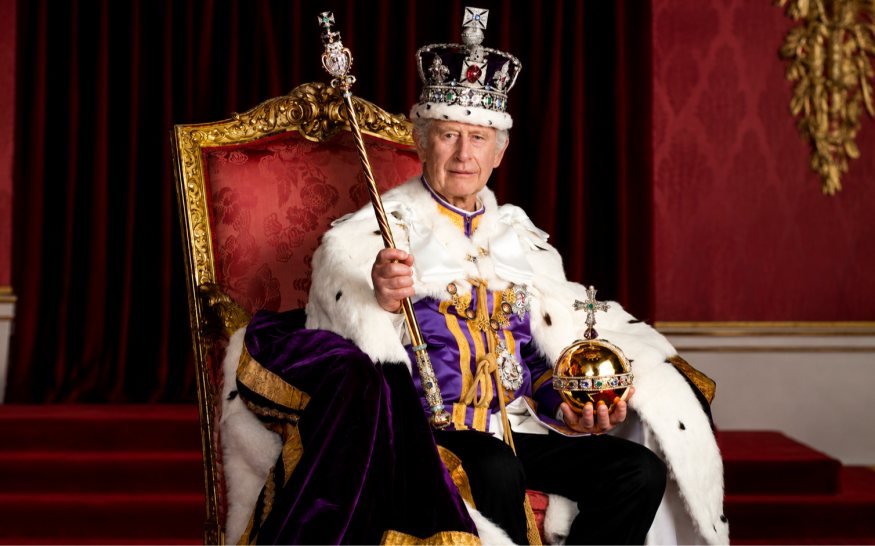
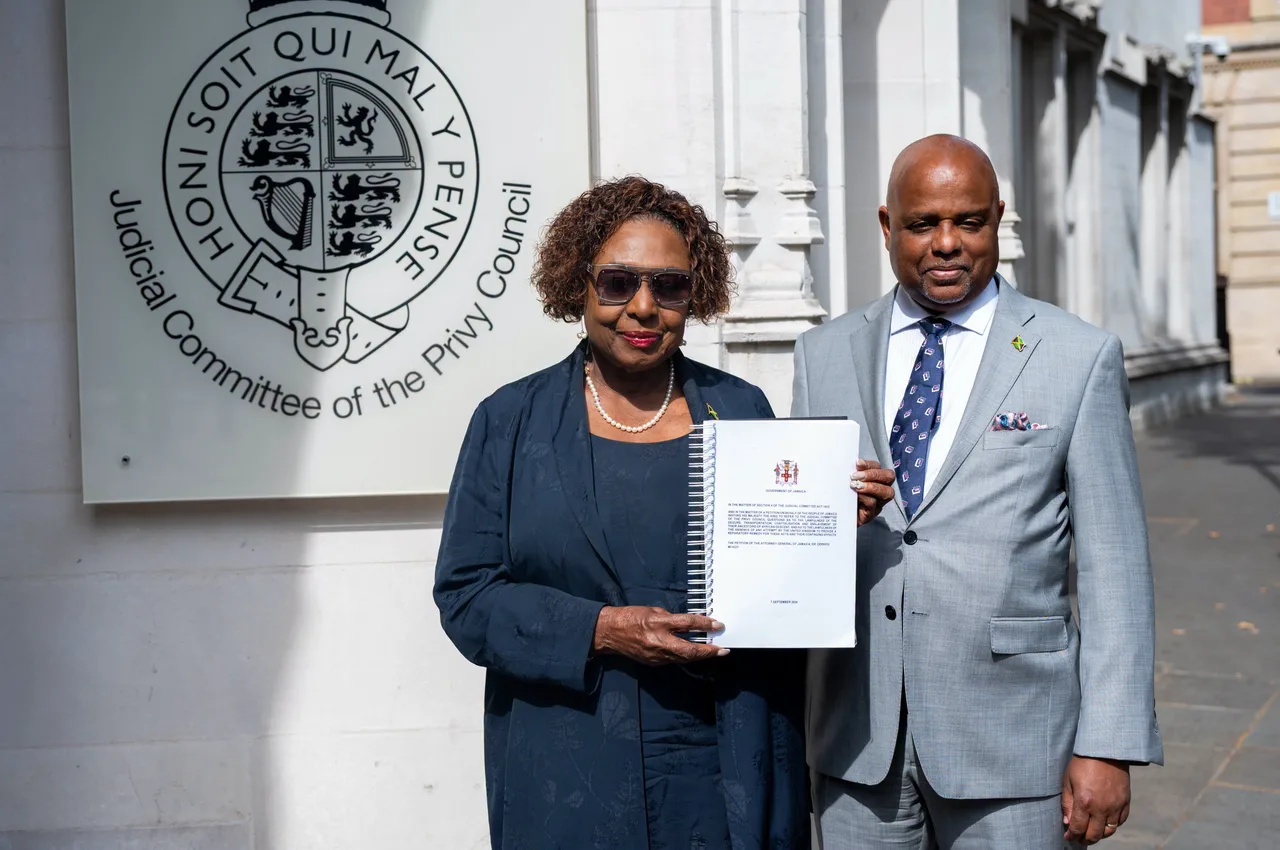
On 7 September this year, Jamaica filed a petition asking King Charles III, as its head of state, to refer three questions to the Judicial Committee of the Privy Council. Culture Minister Olivia Grange said the filing was deliberately timed around commemoration of the 245th anniversary of the Zong massacre.
The petition asks whether the capture, transport and enslavement of Africans in Jamaica were ever lawful under English law, whether they breached international law, and whether the United Kingdom owes the people of Jamaica a remedy. Grange has said it does not claim a specific sum of money.
Related stories
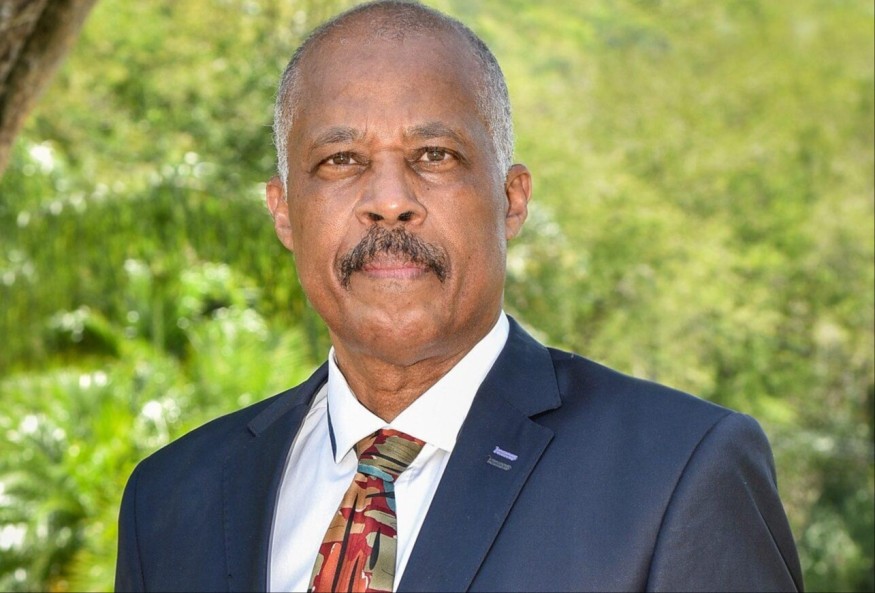
Downing Street gave its position on the day the petition was filed. “Our position on reparations is clear, the UK does not and will not make reparations,” a spokesperson said, while calling the transatlantic slave trade “abhorrent”.
On 22 September Grange told Jamaica’s House of Representatives that the King had referred the petition to the Judicial Committee. A hearing has since been provisionally set for the week of 8 March 2027, with the UK government’s side given until 20 November to file its case.
Sources used for this report13 verified links
- London Museum: The Zong massacre trial
- Trevor Burnard: A New Look at the Zong Case of 1783
- Understanding Slavery Initiative: The Zong
- Zong massacre (Wikipedia)
- William Gregson, slave trader (Wikipedia)
- Caribbean National Weekly: Grange on Jamaica’s reparations petition
- Jamaica Information Service: King refers reparations petition
- JAM: Provisional March 2027 hearing
- Jamaica Observer (AFP): UK government rules out slavery reparations
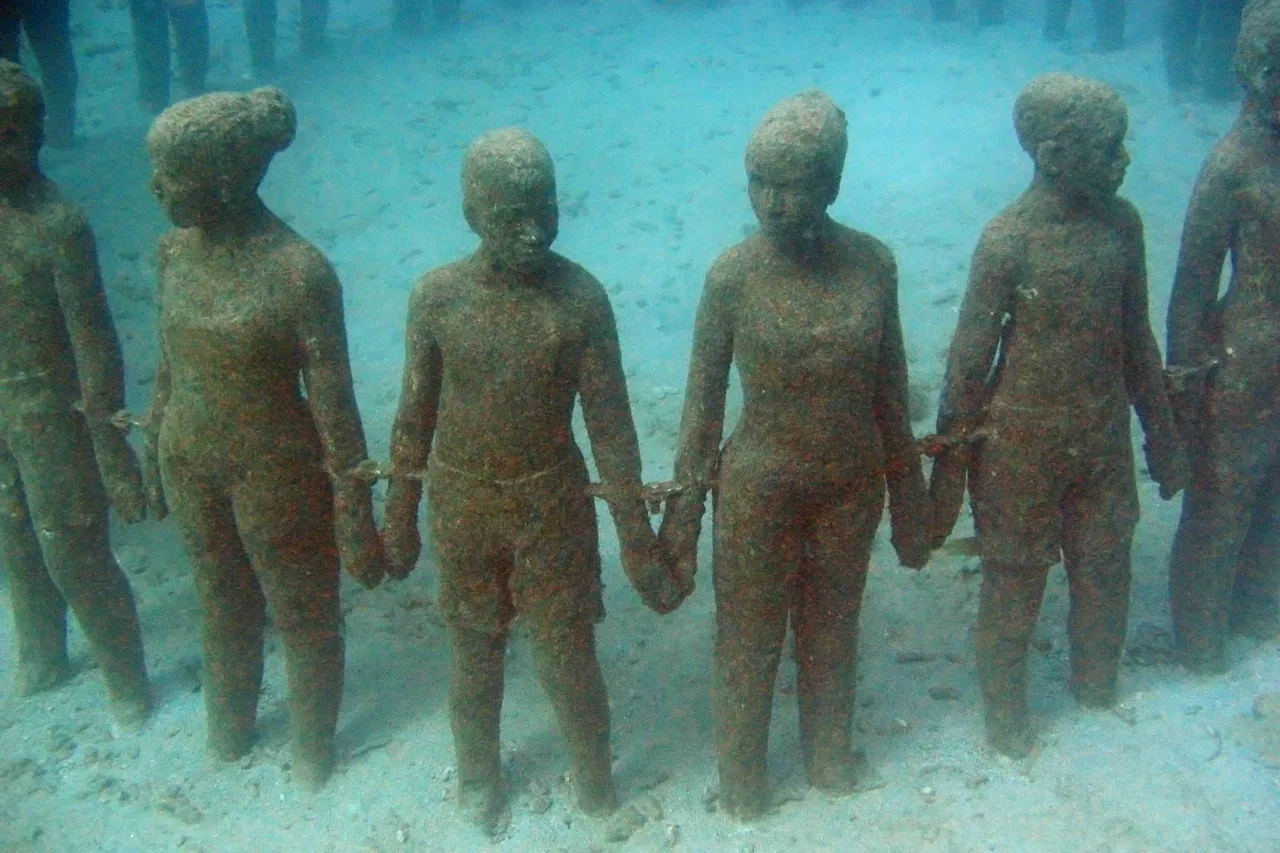
- Jason deCaires Taylor: Molinere Underwater Sculpture Park
- Molinere Underwater Sculpture Park (Wikipedia)
- Sculpture photo: SunCat, CC BY 2.0 (Wikimedia Commons)
- Lead engraving: Slavery Images, Africans Thrown Overboard from a Slave Ship