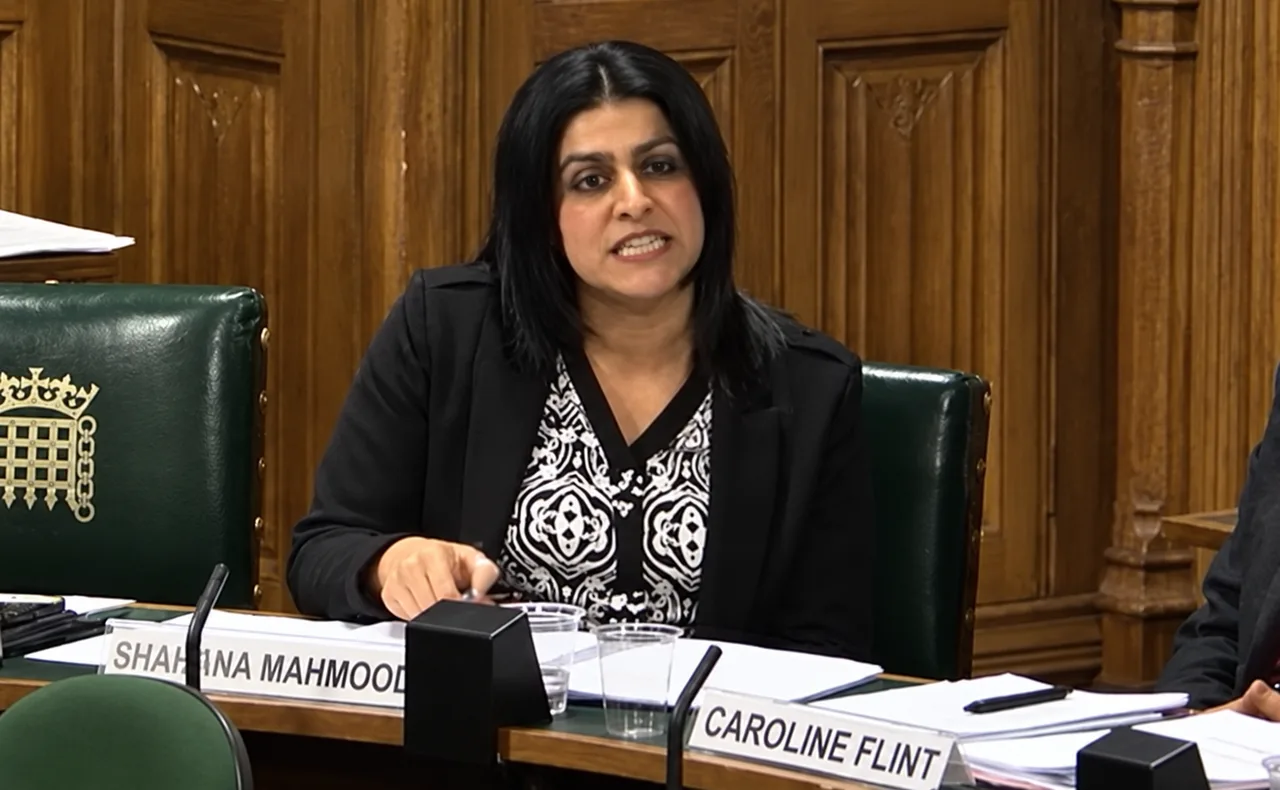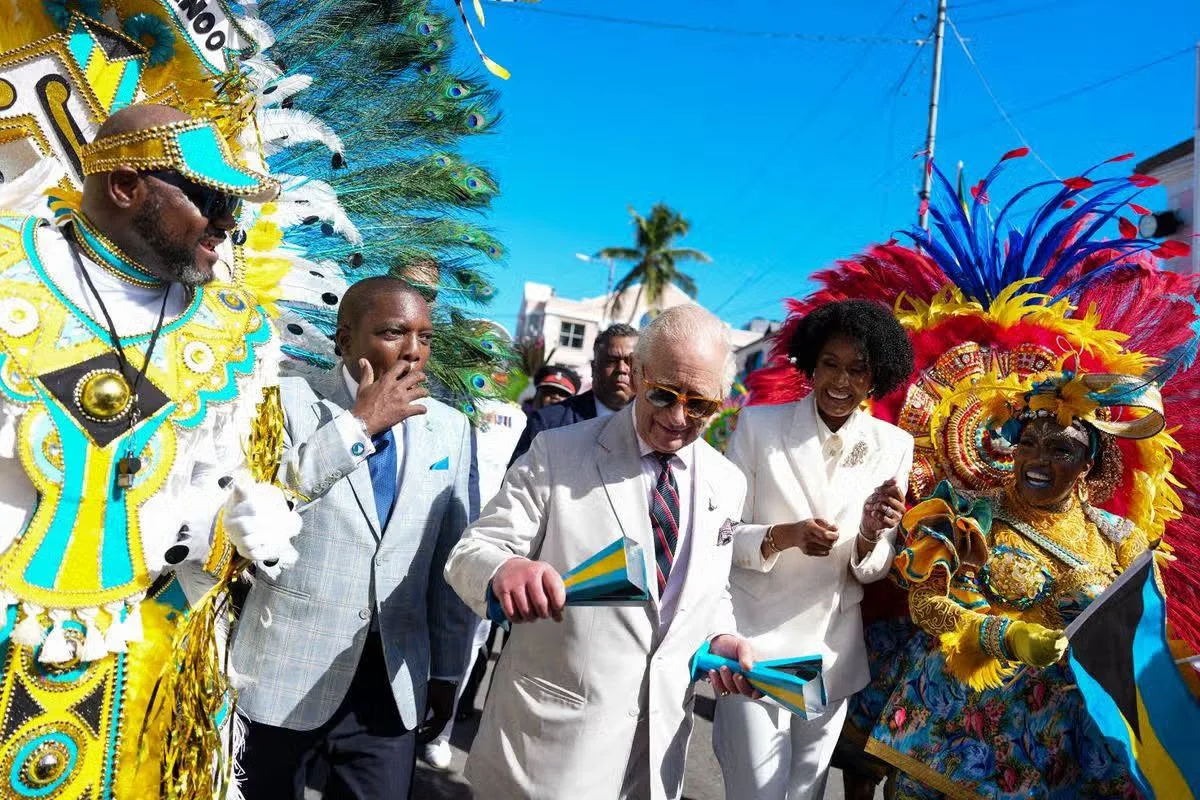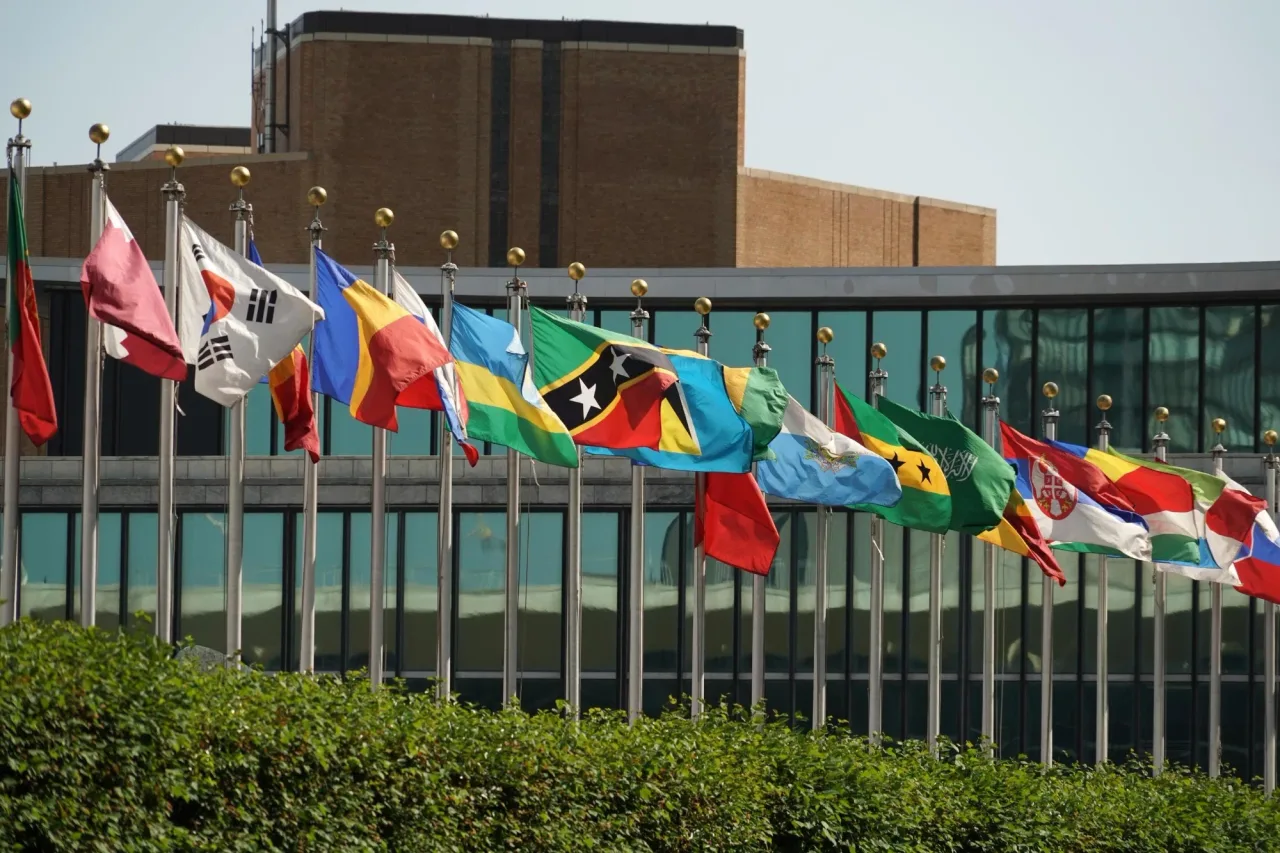
With Commonwealth leaders due to meet in Antigua Prime Minister Andy Burnham is flirting with the idea of a formal apology for Britain’s role in the slave trade but has seemingly ruled out financial reparations.
As pressure mounts ahead of summit, the divide between apology and material repair sharpens a polarized debate rooted in Antigua’s very own history.

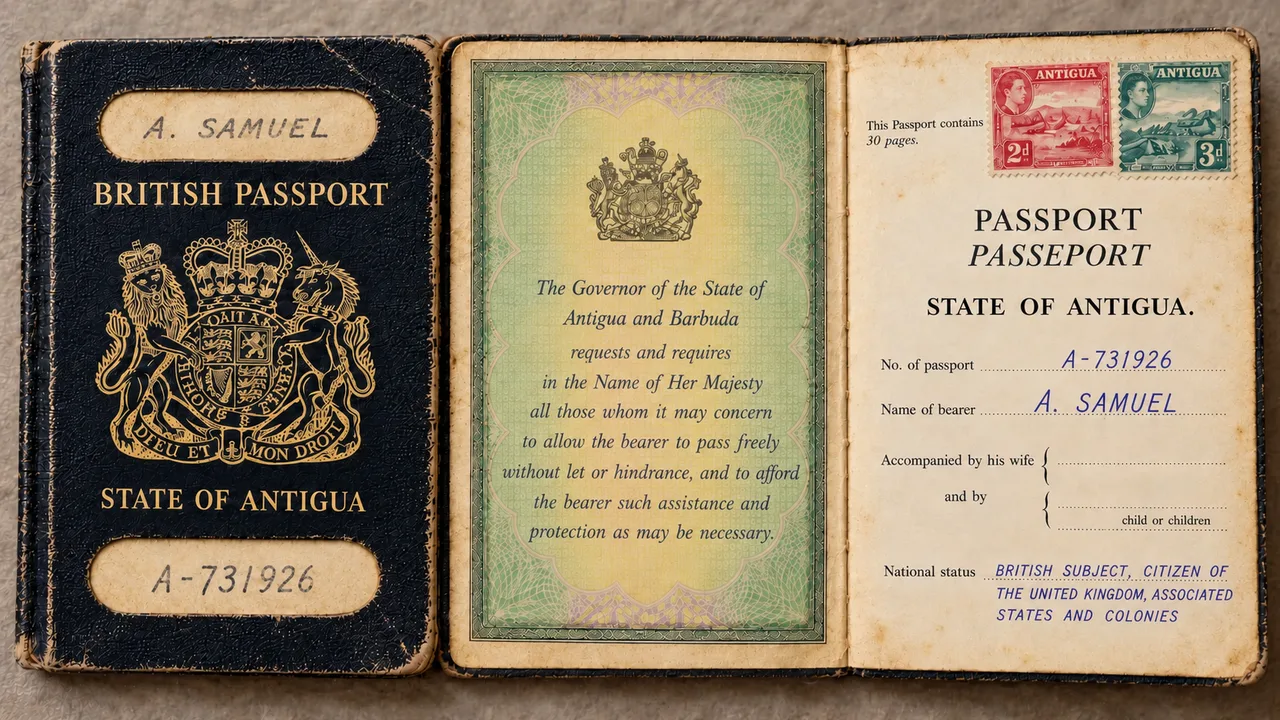
In March 1839, Britain compensated John Tollemache to the tune of £12,669, two shillings and seven pence. The following year, he paid £60,000 for the Peckforton estate in Cheshire, which included Beeston Castle. English Heritage identifies Antiguan plantation income and the compensation payment as contributing to that purchase.
Wealth extracted through industrialised enslavement of Africans in Antigua paid for his majestic castle and vast land in the Cheshire countryside.
The compensation's face value exceeded a fifth of the estate’s purchase price, in-spite of the wealth already accumulated from the years of enslaved labour and profits from sugar production.
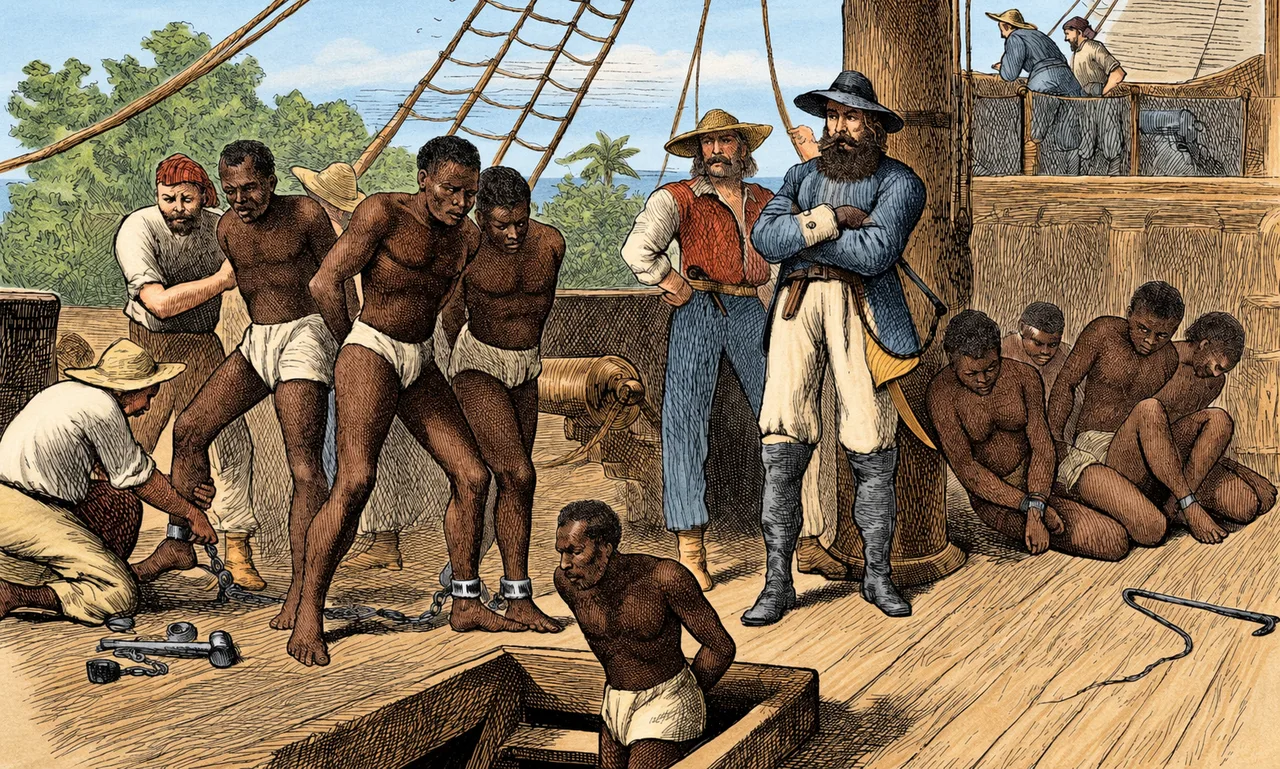
Eight hundred and twenty-two enslaved Africans in one family’s holdings. Each, a human life treated as property whose emancipation triggered a financial claim with the British state.
This is part of the indelible history which Antigua brings to the 'Commonwealth' table.
The wealth before the payment
The family fortune preceded the compensation claims.
Tollemache’s father, a Royal Navy Vice-Admiral named John Richard Delap Halliday, later Tollemache, had owned the Antiguan plantations. Historic England’s published research describes the joining of slave-derived wealth from the Delap Halliday family with other landed wealth from the Tollemaches.
A Royal Navy vice-admiral and a plantation slave owner: both roles belonged to the same man. Britain outlawed its transatlantic slave trade in 1833 and deployed naval patrols against it. Enslavement however continued on British Caribbean plantations. The Navy’s work against the trade does not erase the plantation wealth held by one of its own senior officers.
The exploitation came first. Compensation followed. Then came the documented purchase in Cheshire.
Emancipation ended the perpetual ownership of those people. But did not return any of the wealth extracted through their centuries of enslavement. It did not award them a share of the payment made over their freedom nor though their struggle for independence from Britain.
Britain recognised an ownership interest, assigned it a monetary value and paid compensation to those who had already profited greatly. The people whose lives had been subjected to that interest received none of the award.
That decision belongs at the centre of any discussion of what repair means actually should look like.
A British estate, an Antiguan history

The Antiguan contribution belongs in the account of the purchase, alongside the buyer’s name and the price. The 822 enslaved people belong there too. Their lives cannot be reduced to the financial loss claimed over their emancipation.
As attention turns to Antigua and Barbuda for CHOGM, this history gives substance to a debate too often reduced to whether people today should pay for acts they did not personally commit.
There was an extraction of wealth. There was a compensation award. There was a British estate purchase to which that wealth contributed.
The record cannot end with the payment to the ownership side.
Britain compensated the loss of the right to own them.
What repair is owed for having owned them at all?
Sources used for this report11 verified links
- English Heritage: History of Beeston Castle
- Historic England: Slavery and the British Country House
- British Library: The Mill Yard
- Wikimedia Commons: The Mill Yard, William Clark (1823)
- BBC News: Unearthing Antigua’s slave past (28 February 2016)
- UK Copyright Act 1911, section 21
- Geograph: Peckforton Castle photograph by Jeff Buck
- Wikimedia Commons: Peckforton Castle photograph (Jeff Buck, CC BY-SA 2.0)
- The National Archives: Slavery, abolition and Royal Navy patrols
- ITV News: Burnham open to calls for British formal apology for slavery
- The Commonwealth: CHOGM 2026 dates and venue