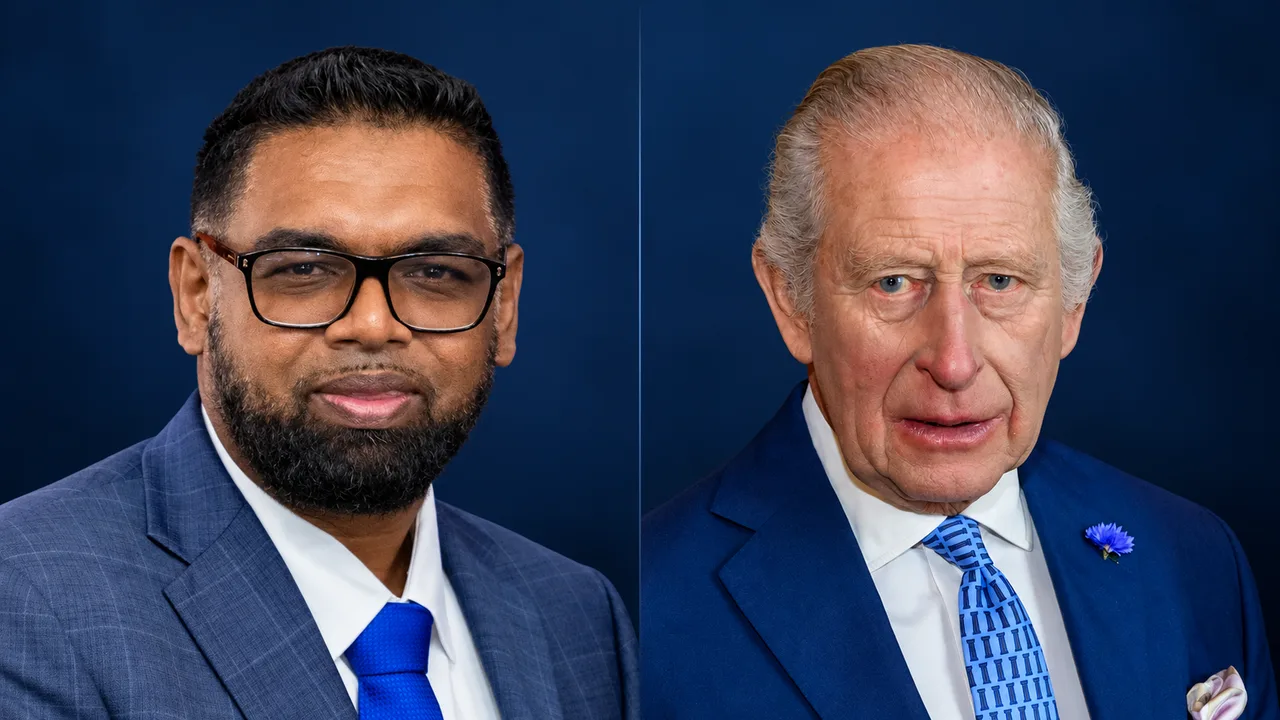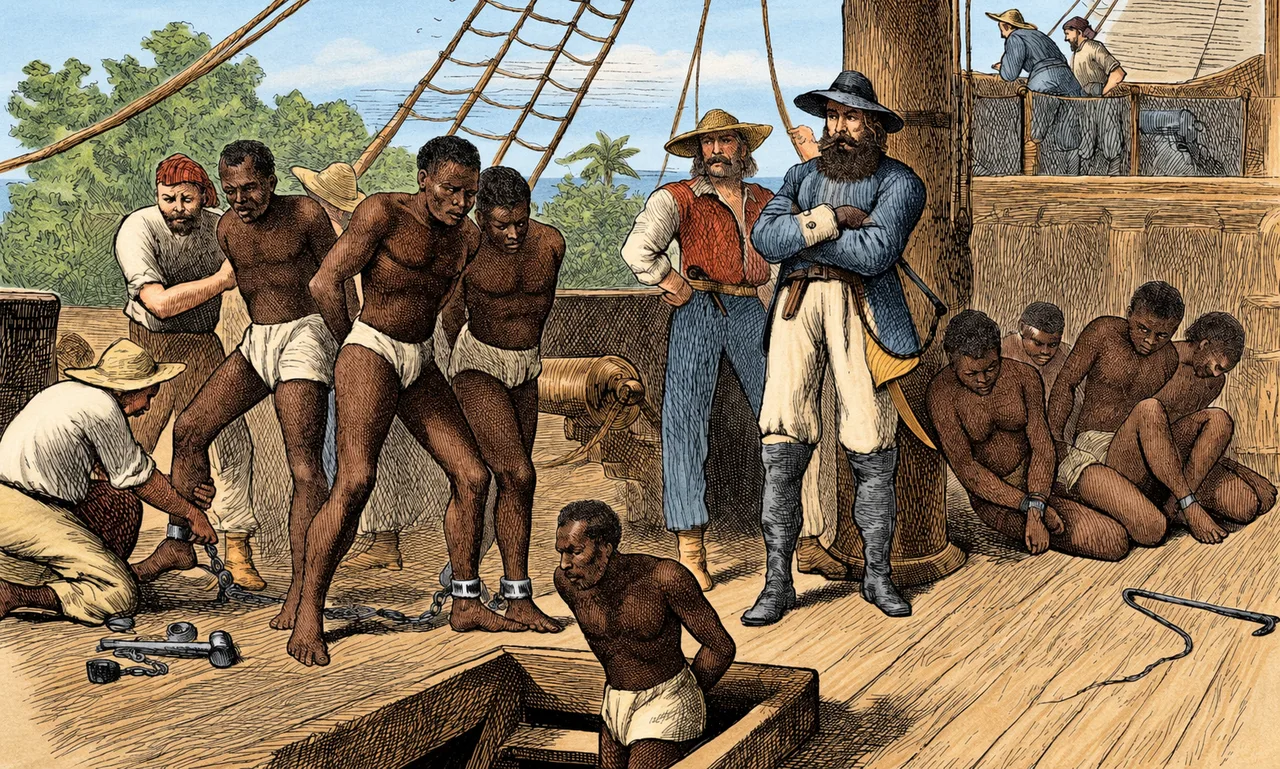
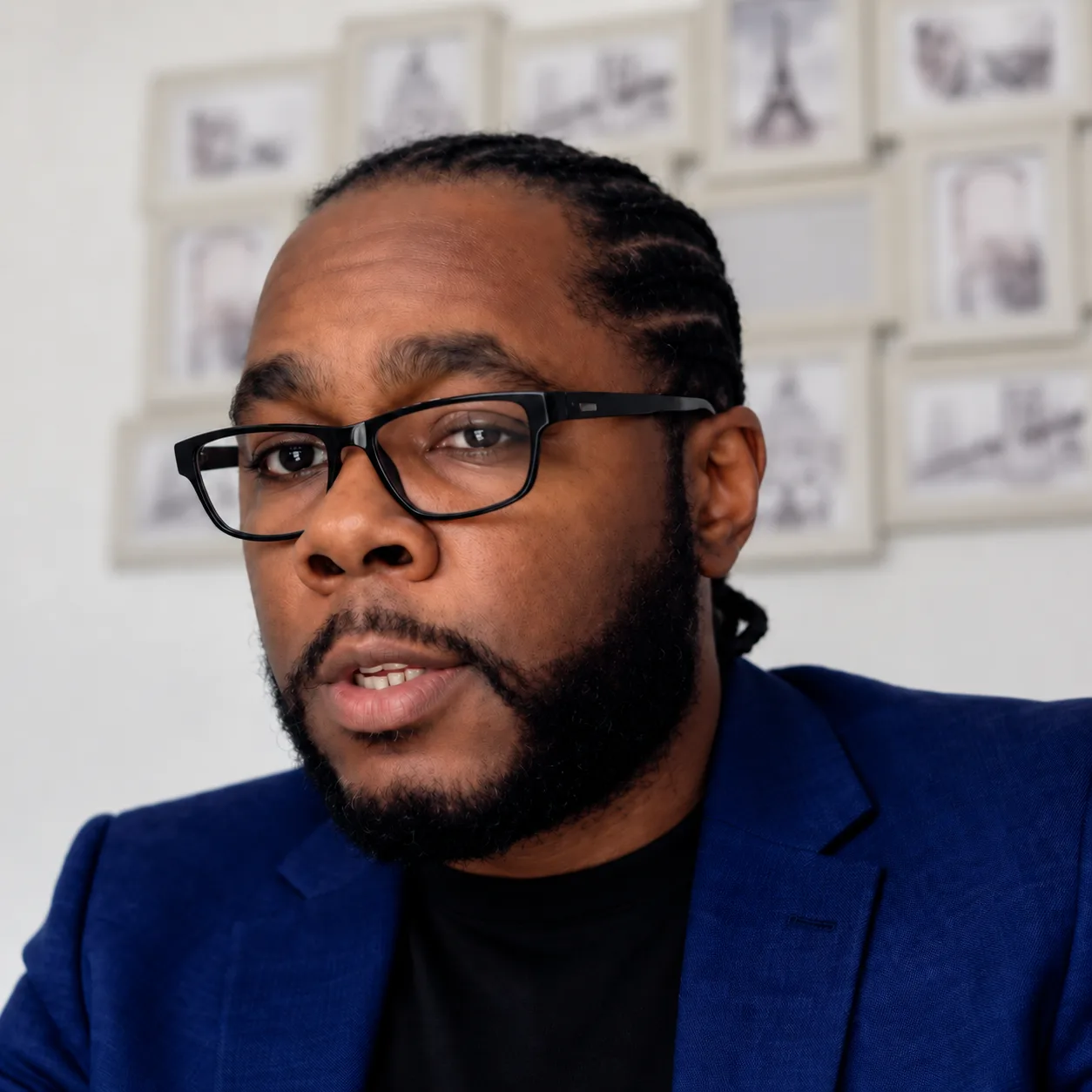
Sir Patrick Vernon has urged King Charles to apologise for the monarchy's role in the British enslavement of African people, arguing that his position in the Church of England gives him a moral responsibility to act, during a tense BBC debate over Britain's response to its slave-trading past.
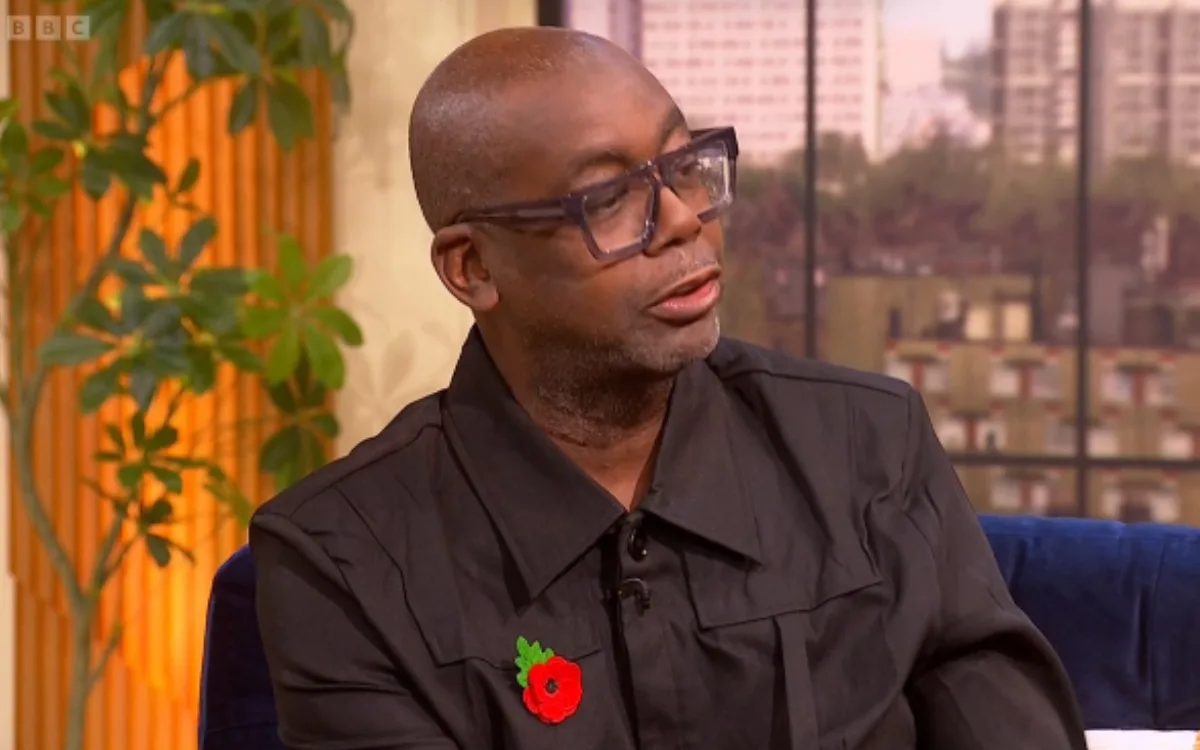
The campaigner and historian challenged opposition to an apology on Sunday Morning Live on 25 October, pointing to the Church's own acknowledgements of wrongdoing and insisting that the King should follow institutions that have already confronted their involvement.
“The King has to be on the right side of history,” Vernon said, before returning later in the discussion to the personal history behind his demand: “We were property. My ancestors were property.”
His intervention came as the panel argued over whether an apology should come from the monarch or the government, whether it would lead to reparations, and whether the consequences of enslavement continue to shape racism and economic inequality today.
Vernon argued that Charles's position as Supreme Governor of the Church of England gave him grounds to apologise, citing the Church's previous apologies and efforts to address the harm associated with its historical links to enslavement.
He said he had spent two years on an advisory committee working with the Church on the issue. Its recognition of wrongdoing, he argued, strengthened the moral case for the King to act, whatever position ministers took on a wider national apology.
When the presenter asked whether he meant an apology for the monarchy rather than for the country, Vernon distinguished between the two. He accepted that the King could not apologise for the government, but maintained that he could do so for the monarchy.
The King's formal title is Supreme Governor of the Church of England. Vernon's claim that this creates a duty to apologise was his argument about moral responsibility; whether the monarch should make a formal apology was itself a central point of disagreement on the programme.
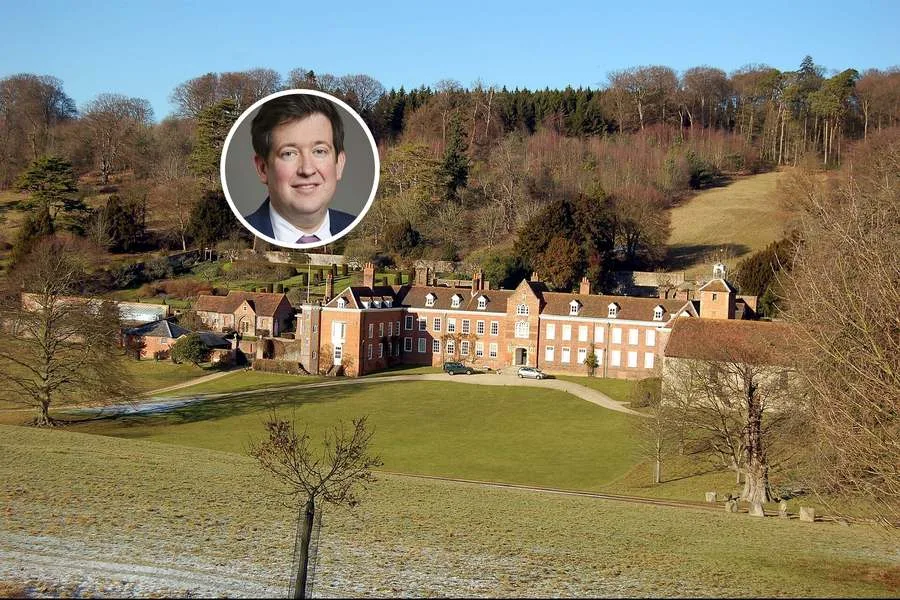
Former Foreign Office diplomat Ameer Kotecha rejected the proposal, saying decisions about a formal national apology belonged to ministers. He also opposed reparations and argued that expressing sorrow was different from accepting the implications of an apology.
“It's not for the King to make that decision unilaterally,” Kotecha said. He described enslavement as a terrible wrong, while maintaining that a formal apology would take Britain towards reparations, which he opposed.
The discussion took place ahead of Charles's Caribbean tour. Buckingham Palace has said the visit will acknowledge Britain's slave-trading past, while maintaining that apologies and reparations are government matters. The British government has ruled out reparations.
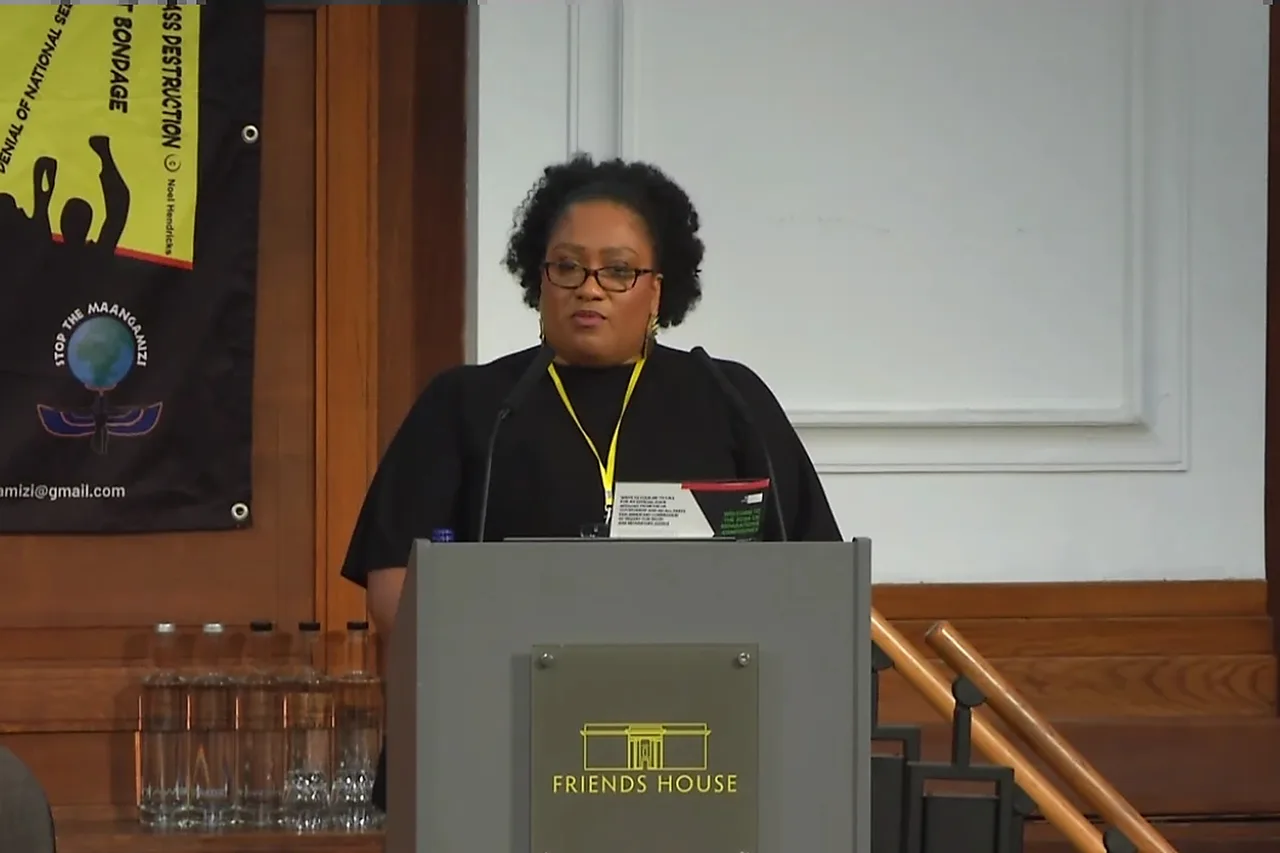
Labour MP Bell Ribeiro-Addy, introduced as chair of the All-Party Parliamentary Group for African Reparations, also called for Charles to go further. She acknowledged his previous expressions of sorrow but argued that an apology would carry a different meaning.
The Crown, she said, “wasn't exactly a bystander”. She pointed to royal involvement in the Royal African Company and argued that acknowledging wrongdoing should be accompanied by a commitment to addressing its consequences.
That historical connection is documented. The National Archives records that Charles II granted the Royal African Company a royal charter in 1672, giving it a monopoly over trade in West Africa, predominantly involving enslaved people.
The Church's involvement has also been the subject of institutional research. In 2023, the Church Commissioners announced a £100 million commitment to a programme addressing their historic links to enslavement, following research into the finances of their predecessor, Queen Anne's Bounty.
As the debate widened, author and journalist Ross Clark questioned the purpose of apologies for events that people alive today had not committed. He described slavery as a wrong found across many societies and asked whether others, including Ghanaians, should also apologise.
Ribeiro-Addy responded that Britain had not invented slavery, but argued that its involvement in racialised chattel enslavement required a specific reckoning. Celebrating abolitionists, she said, did not remove responsibility for the system Britain had helped sustain.
Vernon challenged the suggestion that the history was too distant to bear on the present. He said research into his maternal family had identified the Jamaican plantation where his ancestors were enslaved, tracing that history back five generations.
He also raised the compensation paid to enslavers when slavery was abolished, contrasting their treatment with the lack of equivalent compensation for those who had been enslaved. For Vernon, that history formed part of the case for recognising harms that remained unanswered.
Further exchanges followed when Clark cited Singapore's prosperity while rejecting the suggested connection between slavery's legacy and present disadvantage. He acknowledged that racism existed, but disputed linking it to enslavement. Ribeiro-Addy challenged that position, arguing that racial classifications had been used to justify treating African people as property.
She also pushed back against framing reparations chiefly as an enormous financial bill. Concentrating on headline sums, she argued, narrowed discussion of the different forms that repair could take and obscured the broader demand for acknowledgement and action.
Returning to the King in his closing intervention, Vernon criticised what he described as ignorance and misinformation during the discussion. He pointed to the use of Christian teaching to justify slave ownership, and to the Church's recognition that this had been wrong.
His final argument brought the debate back to the people subjected to that system: African people had been classified as subhuman and property. For Vernon, recognising that history and its continuing consequences was central to the apology he was asking the King to make.