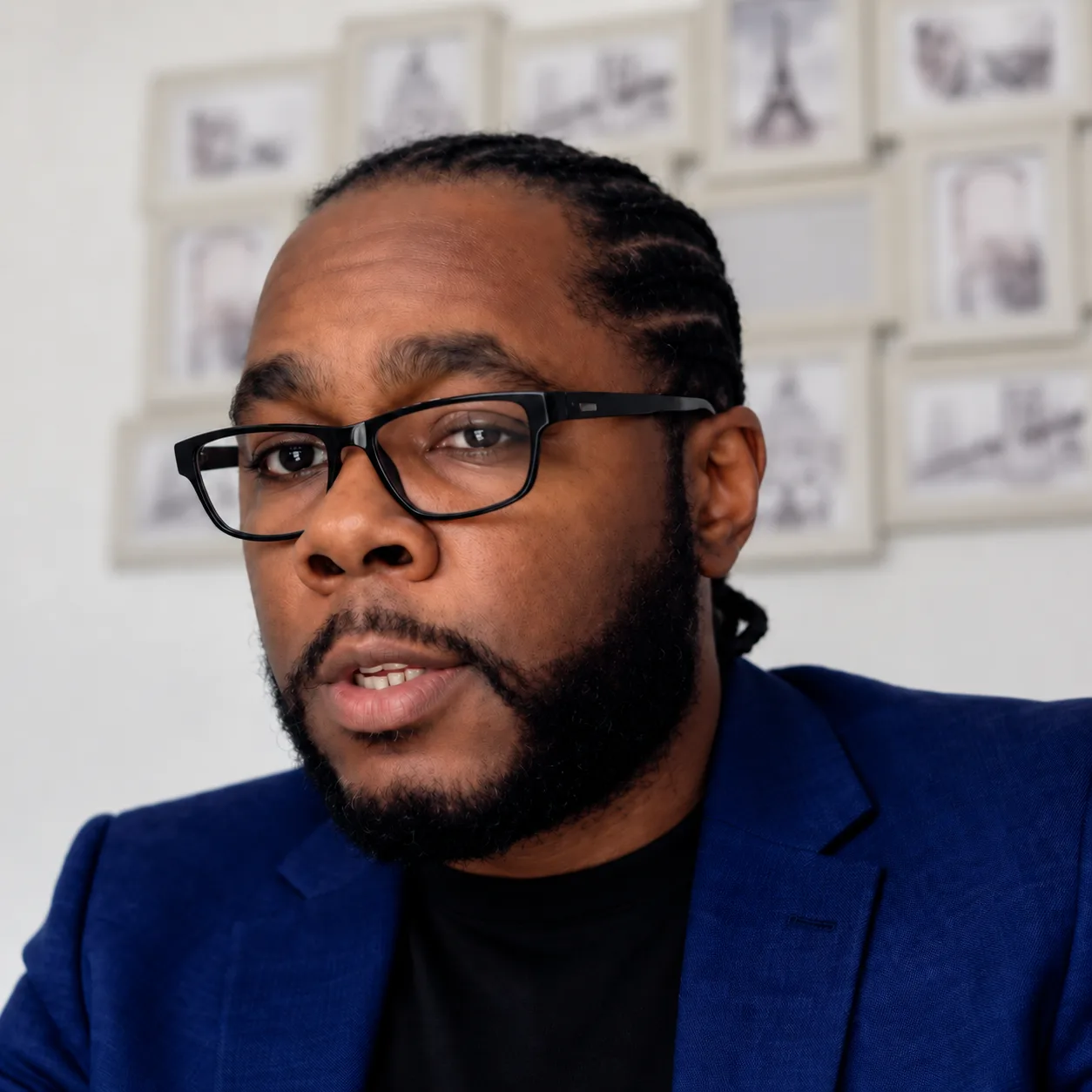
Return the records. Return the artefacts. Return the ancestral remains. King Charles’s visit to The Bahamas brings those demands into sharp focus. For the House of Rastafari, acknowledgment of slavery must produce action that people can see and judge after the royal party leaves.
“We don’t want words. We wanna see action.”
Jah Mickey, speaking to JAM Radio
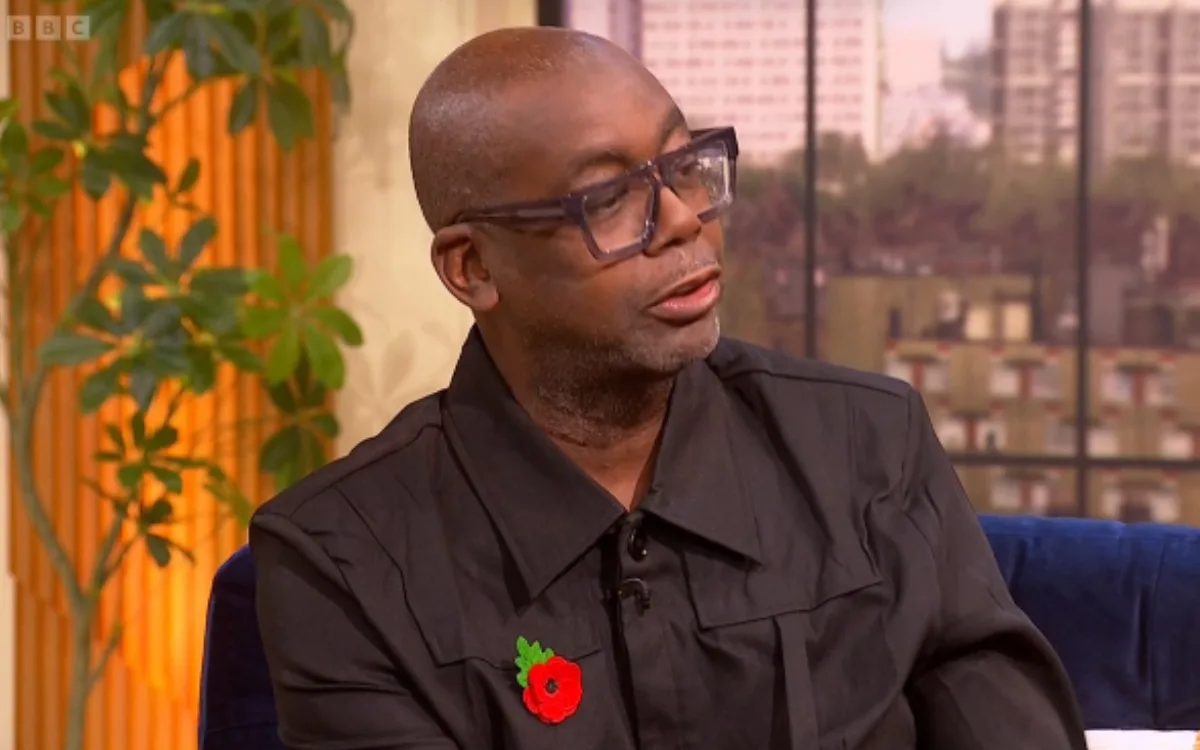
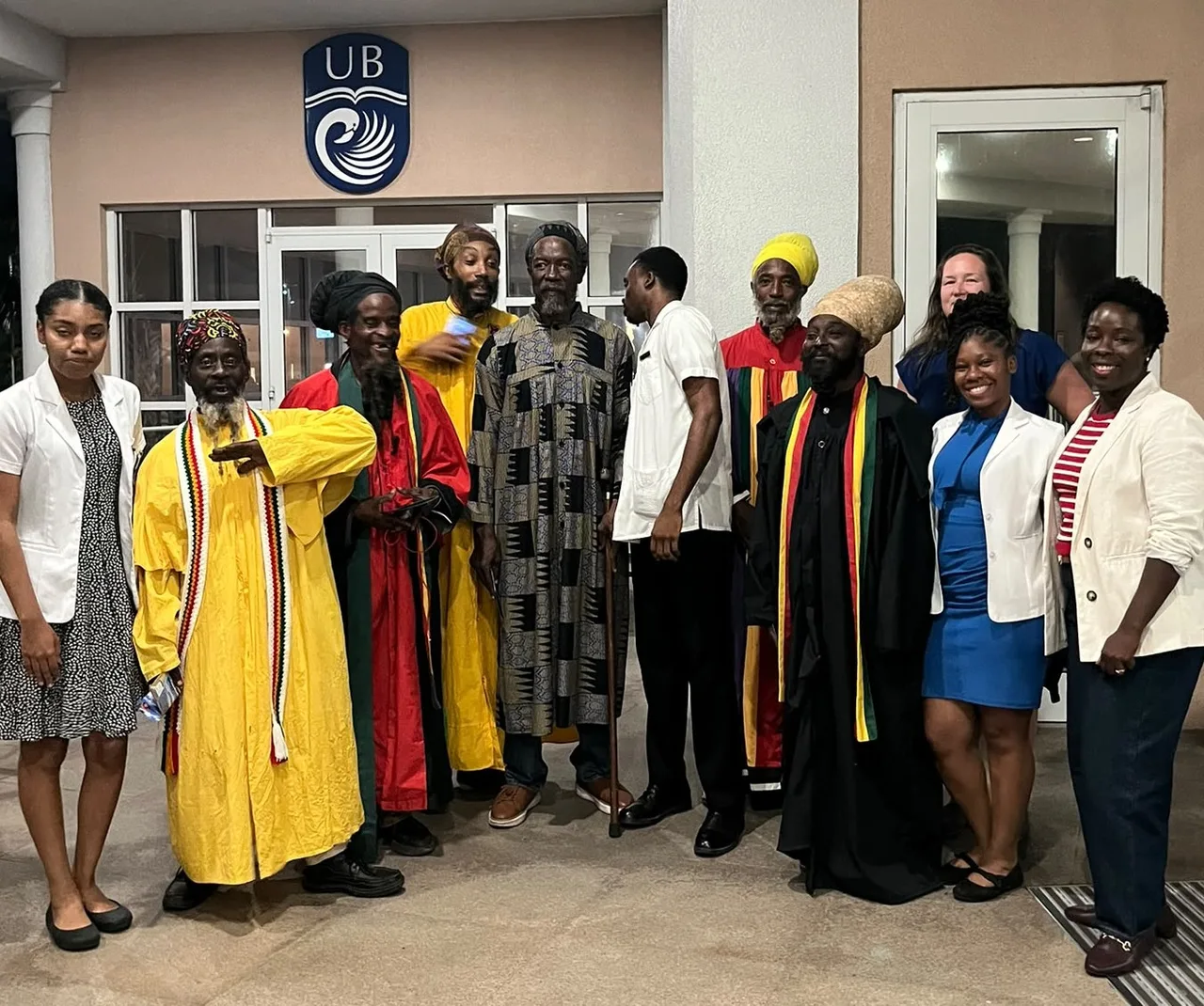
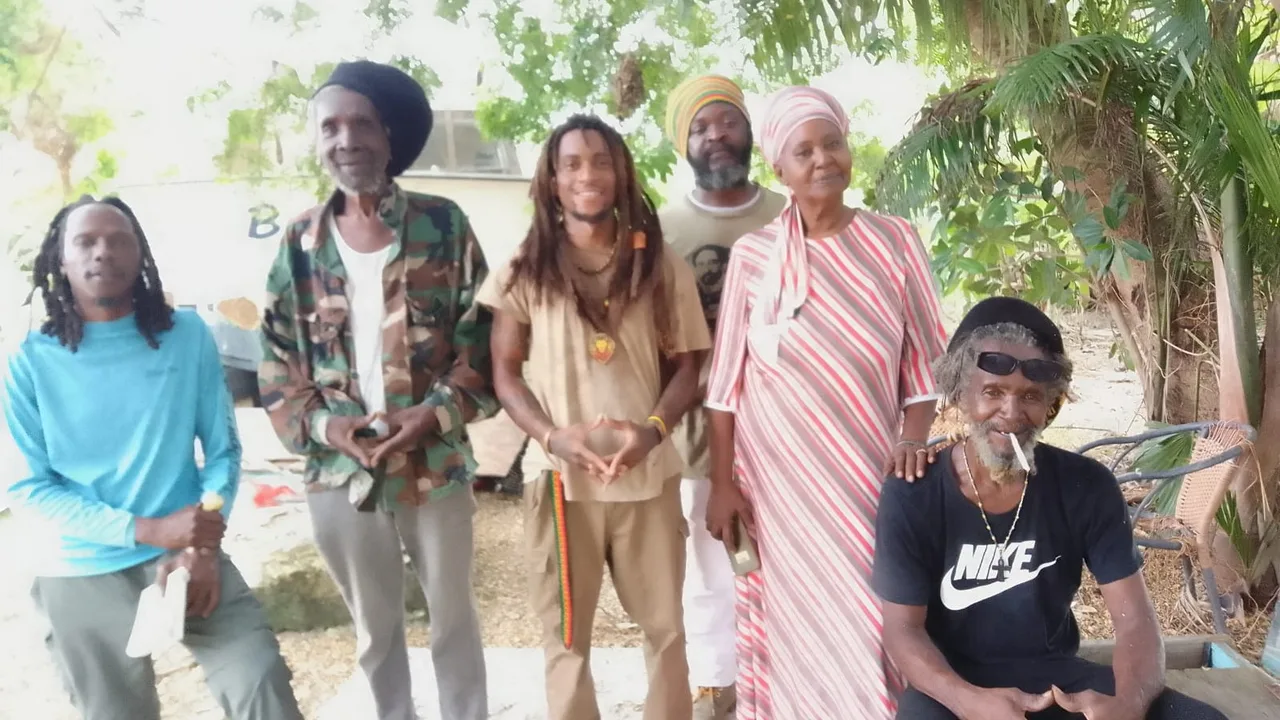
Behind that statement is an organised Rastafari constituency. Jah Mickey represents the House of Rastafari, which he describes as the inter-mansion collective bringing Rastafari mansions and groups in The Bahamas together to speak with one voice. He is also a member of the Ethiopia Africa Black International Congress, EABIC, within the Bobo Shanti tradition.
Charles had already been publicly warned against an empty-handed visit. In September, the Bahamas National Reparations Committee demanded an apology for slavery and colonisation and renewed its call for a republic, according to The Tribune.
Jah Mickey’s intervention presses the demand further into the practical questions of restitution: what Britain holds, what it will return and what it is prepared to change.
An apology acknowledges wrongdoing, he argues. Its meaning depends on the action behind it.
That distinction goes to the heart of restitution. An expression of sorrow leaves possession untouched. Returning an object, releasing historical records or repatriating ancestral remains requires a decision.
And the institutions responsible must be named: the British government, the British Parliament and the British Museum’s trustees.
Bahamian heritage in the British Museum
The Bahamian connection is tangible. The British Museum holds a wooden Taíno ceremonial seat, or duho, found around 1820 in a cave on Eleuthera, one of the islands of The Bahamas. Its history connects Indigenous heritage with the lives of people under British colonial rule.
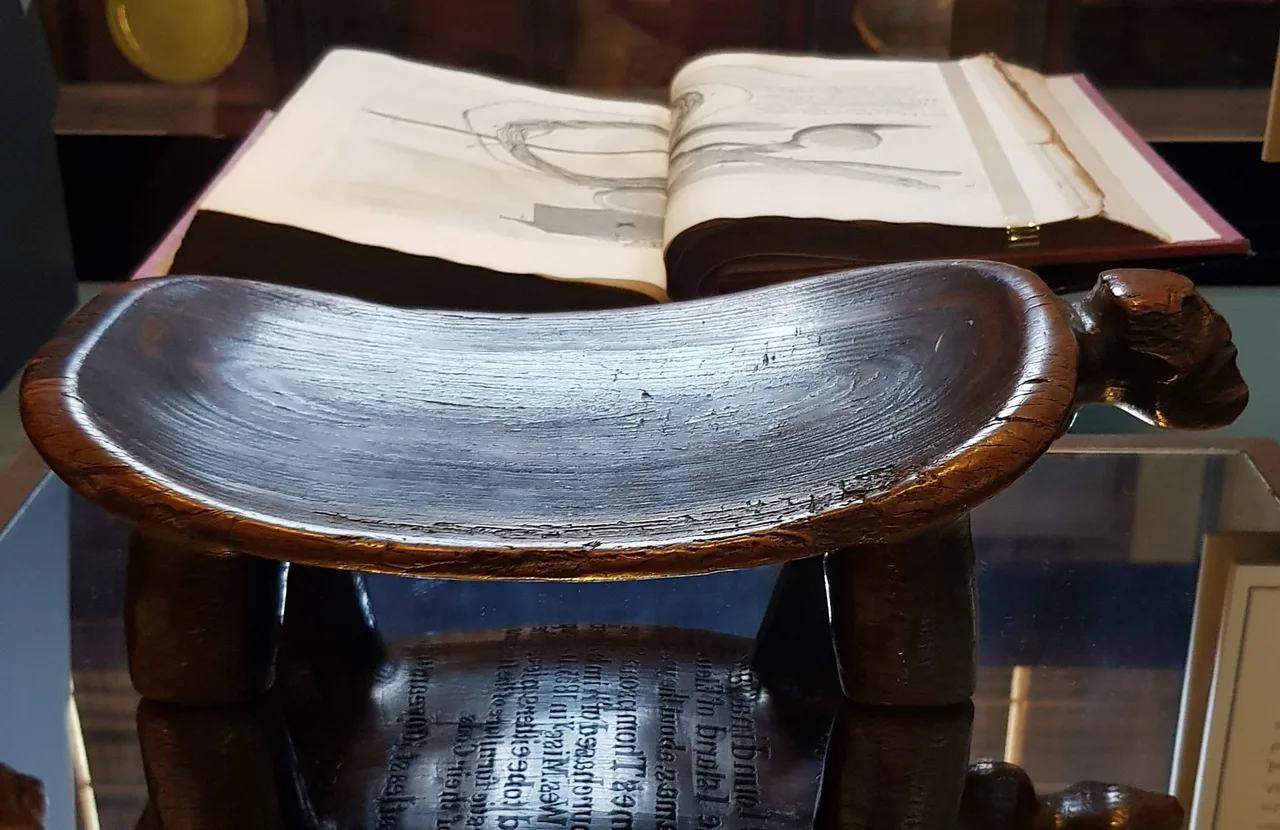
According to the Museum’s Collecting and Empire trail, James Thompson was enslaved when he found the seat. By the time he sold it to Methodist missionary Theophilus Pugh in 1835, he was free and a local leader. The seat entered the Museum’s collection in 1918. Its catalogue record identifies the findspot as Eleuthera, The Bahamas, and reproduces an inscription recording Thompson’s discovery and the sale.
The recorded transaction is a purchase. It gives the debate a specific Bahamian object to examine, with an acquisition history that must be addressed on its own evidence.
There is also a concrete precedent for return. In the United States, Michigan State University completed the repatriation of Lucayan ancestral remains to The Bahamas on 28 October 2024. The institution reported that the return followed work with the country’s Antiquities, Monuments and Museums Corporation.
For The Bahamas, restitution is something that has already happened—and can be judged by what actually comes home.
Britain’s own records document the taking
The history is recorded in the British Museum’s own catalogue.
Its account of objects taken from Maqdala, Ethiopia, in 1868 describes the plundering by British and Indian troops. It also records the direct participation of Richard Holmes, the Museum’s representative, who acquired material for its collection. British Museum catalogue.
The circumstances of those acquisitions are therefore documented by the institution that holds them.
The British Museum Act 1963 sharply limits the trustees’ powers to return objects permanently. Parliament made that law. Parliament can change it.
Yet in a parliamentary answer on 30 September, the British government said it had no plans to change the law. Ministers must answer for that position. A legal barrier to return is a reason to demand reform.
British law already permits the return of certain human remains from national museums, including the British Museum. Human Tissue Act, section 47.
Access to the past, power over the future
Jah Mickey’s demands give these questions a human purpose.
He calls for access to historical documents, the return of artefacts and the return of ancestral remains taken from Africa. Speaking from the diaspora, he rejects the idea that distance breaks the connection between people and their ancestors.
“We wanna study our past so we can have a better future.”
That means having the means to investigate that past: records people can examine, history they can recover and a voice in the treatment of their ancestral inheritance.
His account also challenges the reduction of reparations to an argument about a cheque.
“Reparations is way more than money,” he says.
He speaks about education, healing and the work needed to overcome inherited disadvantage. Declaring a playing field level, he argues, does not address how far behind people have been forced to start.
Responsibility also extends to others who benefited from slavery. In his account, repair requires a wider reckoning with that inheritance.
What will Britain do?
The Palace’s published programme foregrounds youth, community and environmental sustainability. The demands voiced through the House of Rastafari bring another measure of responsibility into view: what will Britain do with the history and inheritance that future generations are asking to reclaim?
Jah Mickey recognises Parliament’s greater power relative to the throne. He identifies opening dialogue and advancing truth as roles Charles can play.
That distinction directs scrutiny towards the decisions each institution can actually make.
Charles can be pressed on his contribution to restitution. The Museum’s trustees can be pressed on the powers they possess. British ministers can be pressed on their refusal to pursue legislative change.
Which records will become accessible? What will be returned? Who will act, and when?
Those questions will remain after Charles leaves The Bahamas.
The test is what changes hands.
Sources used for this report15 verified links
- The Tribune: Reparations group tells King: Don’t come empty-handed (7 September 2026)
- British Museum catalogue: Maqdala processional cross and acquisition history
- British Museum Act 1963
- UK Parliament: government answer on British Museum return restrictions (30 September 2026)
- Human Tissue Act 2004, section 47
- Royal Household: official autumn tour programme (2 October 2026)
- British Museum: Collecting and Empire trail — ritual seat from Eleuthera
- Joanna Ostapkowicz: Of Caribbean ‘white elephants’, Journal of the History of Collections (2025)
- Michigan State University: completed repatriation to The Bahamas, 28 October 2024
- Jamaica demands return of sacred Taíno treasures held by British Museum
- Lord Boateng: “The British Museum is the largest depository of stolen goods known to man”
- Jamaica’s slavery petition hearing provisionally set for March 2027
- British Museum: Eleuthera Taíno duho — catalogue and provenance
- Jononmac46: photograph of the Eleuthera duho, CC0, Wikimedia Commons
- The Bahamas official tourism site: Eleuthera and Harbour Island