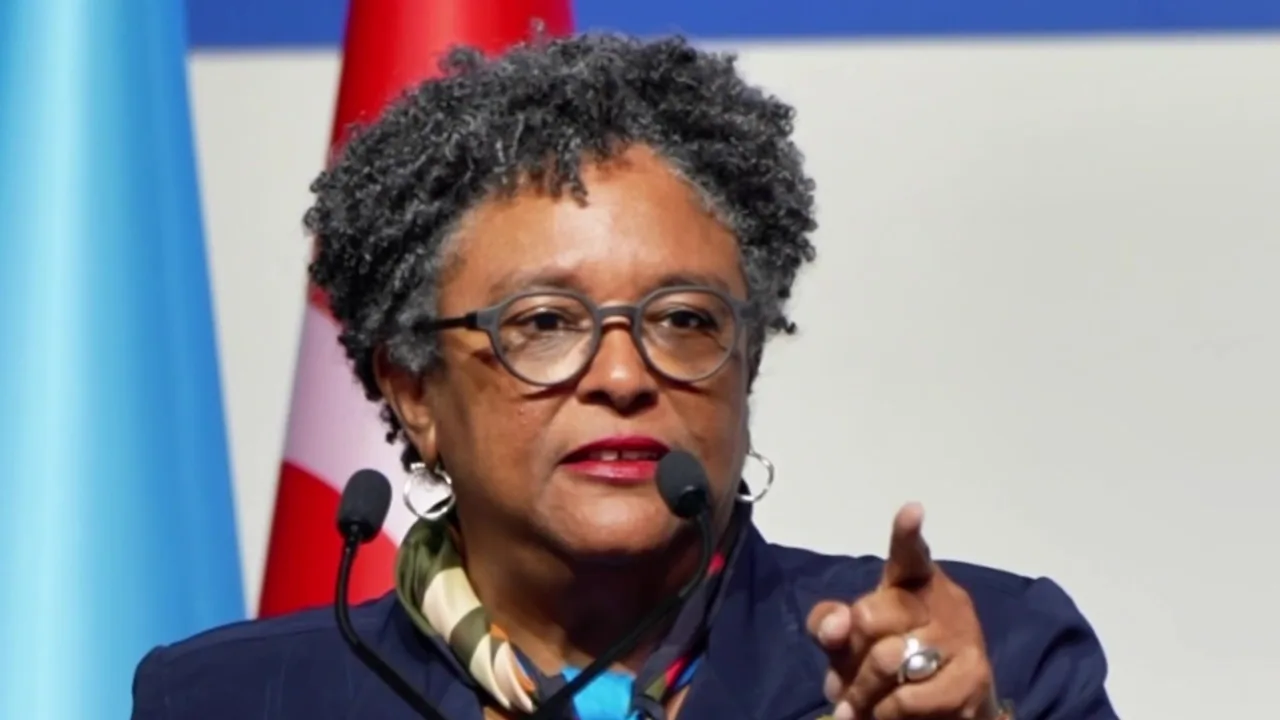
Barbados Prime Minister Mia Amor Mottley says her people must benefit from artificial intelligence without losing their identity, calling for small states to have a voice in decisions shaping the technology’s future.
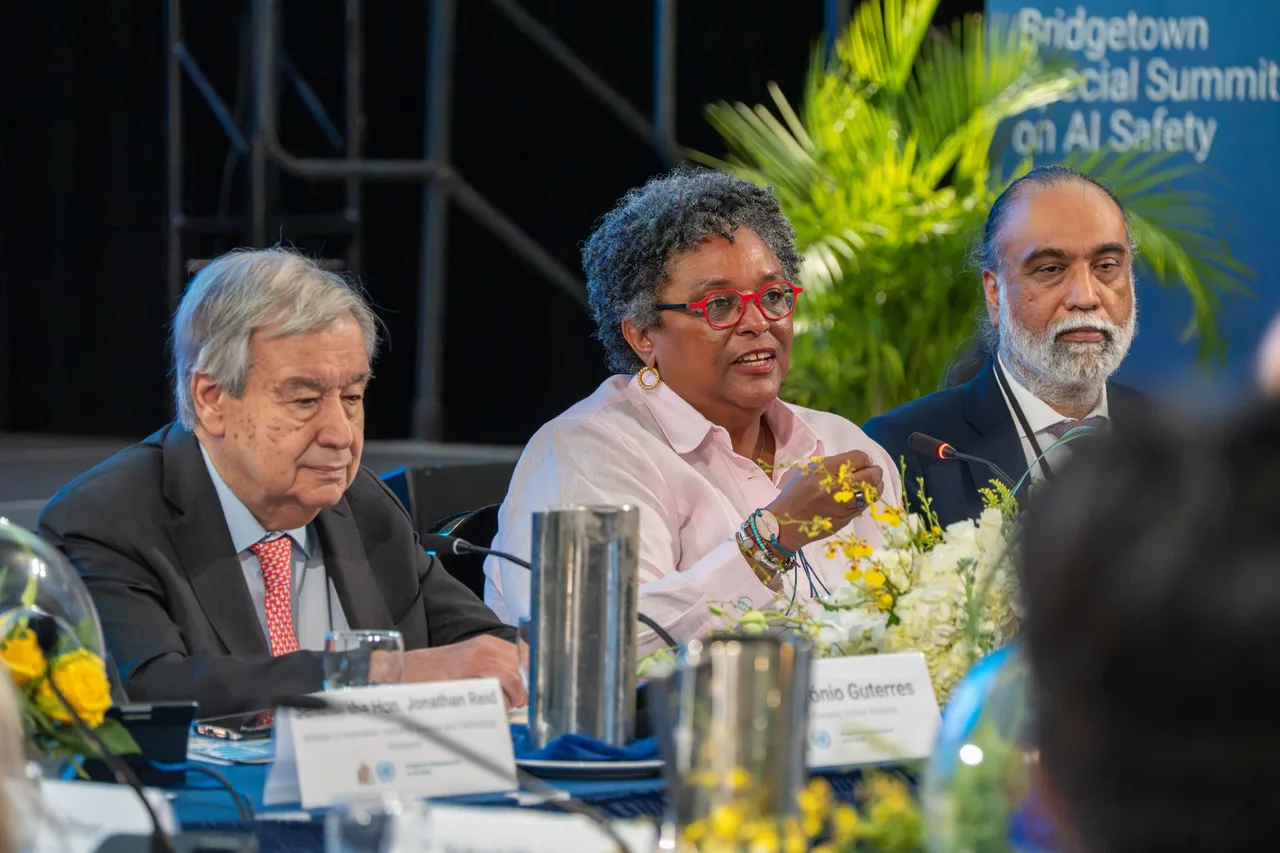
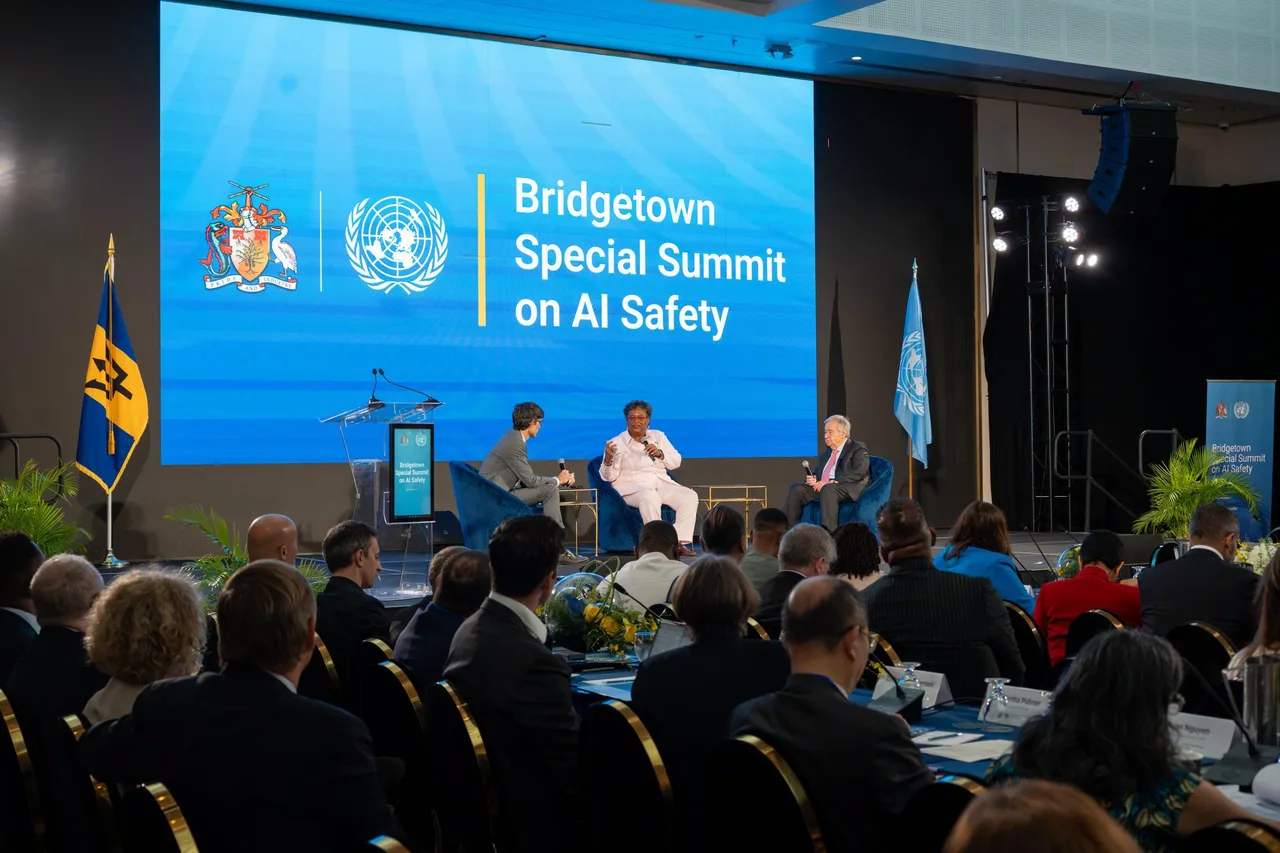
Writing after a conversation with United Nations Secretary-General António Guterres at the Bridgetown Special Summit on AI Safety, Mottley said Barbados and other small states needed both the capacity to benefit from AI and a say in its future.
“I want our people to benefit from all that artificial intelligence offers, without losing who we are.”
In the Facebook post, she added: “Technology must serve humanity, but our people must always come first.”
There is also a regional deadline. Barbados Today reported that Mottley said Barbados was prepared to introduce its own AI regulatory framework if CARICOM’s AI commission had not delivered its report by February. The report would advise on a regional approach; the deadline does not mean regional legislation will be in force by then.
The summit, co-hosted by Barbados and the United Nations on 23 November, concluded with Mottley and Guterres issuing the Bridgetown Call to Action on AI Safety for Humanity.
According to the official closing statement, the call urges countries to develop an inclusive international framework for managing AI risks within the next year, with independent oversight.
It also seeks greater investment in developing countries’ ability to govern and use AI. Contributions could support a proposed global capacity-building fund seeking about US$3 billion in initial commitments. That figure is a funding ambition, rather than money announced as secured at the summit.
More than 250 participants attended, drawn from governments, technology companies, AI safety institutes, science and civil society. Discussions included accountability for developers and organisations deploying AI, independent testing and reporting incidents across borders.
The UN’s advance briefing identified a central imbalance: AI’s effects cross borders, while many countries have limited means to assess or influence the systems affecting them.
The agenda therefore extended beyond technical safeguards to access, skills and the representation of different languages and cultures. The UN said the meeting would explore cooperation between countries without imposing a single governance model or replacing national decisions.
For Mottley, the question is also one of identity and agency. Her message places the people of Barbados and other small states at the centre of the debate: they need the tools to benefit from AI and a voice in deciding how it develops.