The Home Office has refused to say whether it assessed the risk to community relations before Nathan Cofnas spoke at Oriel College on Tuesday. JAM Radio asked the Home Office: how does the department decide when concerns about an overseas speaker warrant a review?
“We’re not able to comment,” a Home Office spokesperson told JAM Radio.
Cofnas, who describes himself as a “race realist”, has written that in a meritocracy the proportion of Black professors at Harvard would approach zero. He went further. Black people, he claimed, “would disappear from almost all high-profile positions outside of sports and entertainment”.
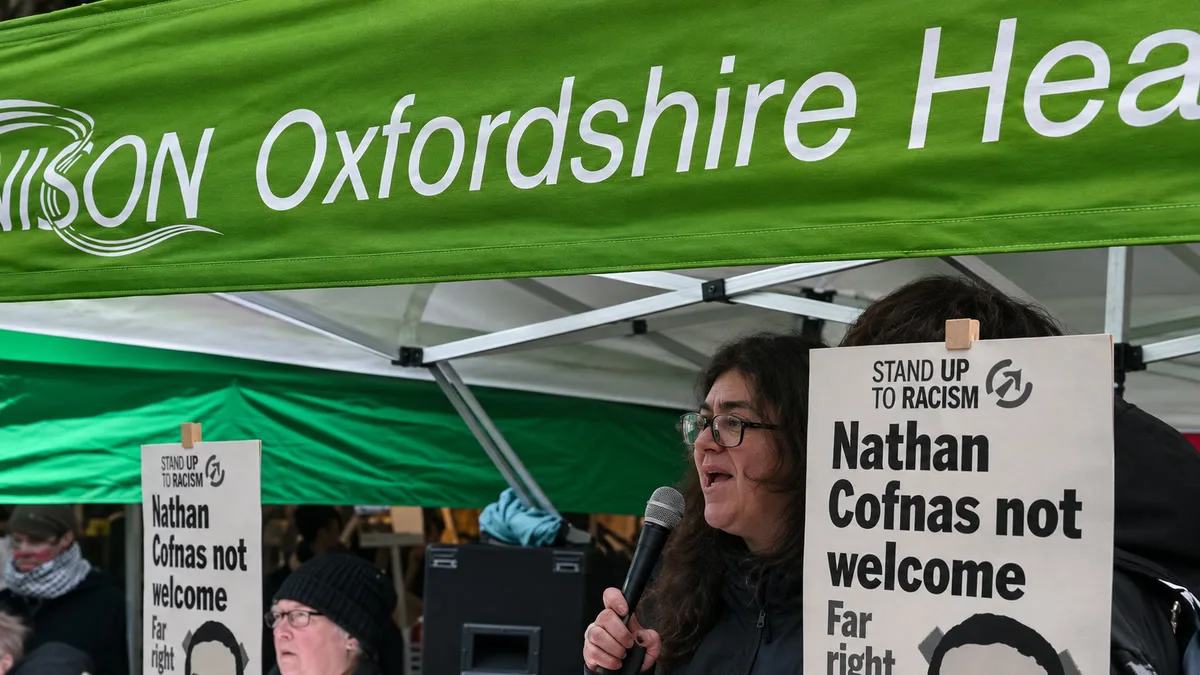
The invitation came from the Oxon Universities’ Reform Society. Oriel provided the venue, but told the student publication Overheard at Oxford that the event was a booking by a registered university society and that “Permission does not imply endorsement by the College.” Six days before the talk, student representatives questioned senior university figures about safety and the college’s assessment of the risks. Hundreds protested on Tuesday. Oxford officials plainly knew there were concerns. Whether anyone took those concerns to the Home Office is one of the questions the department left unanswered.
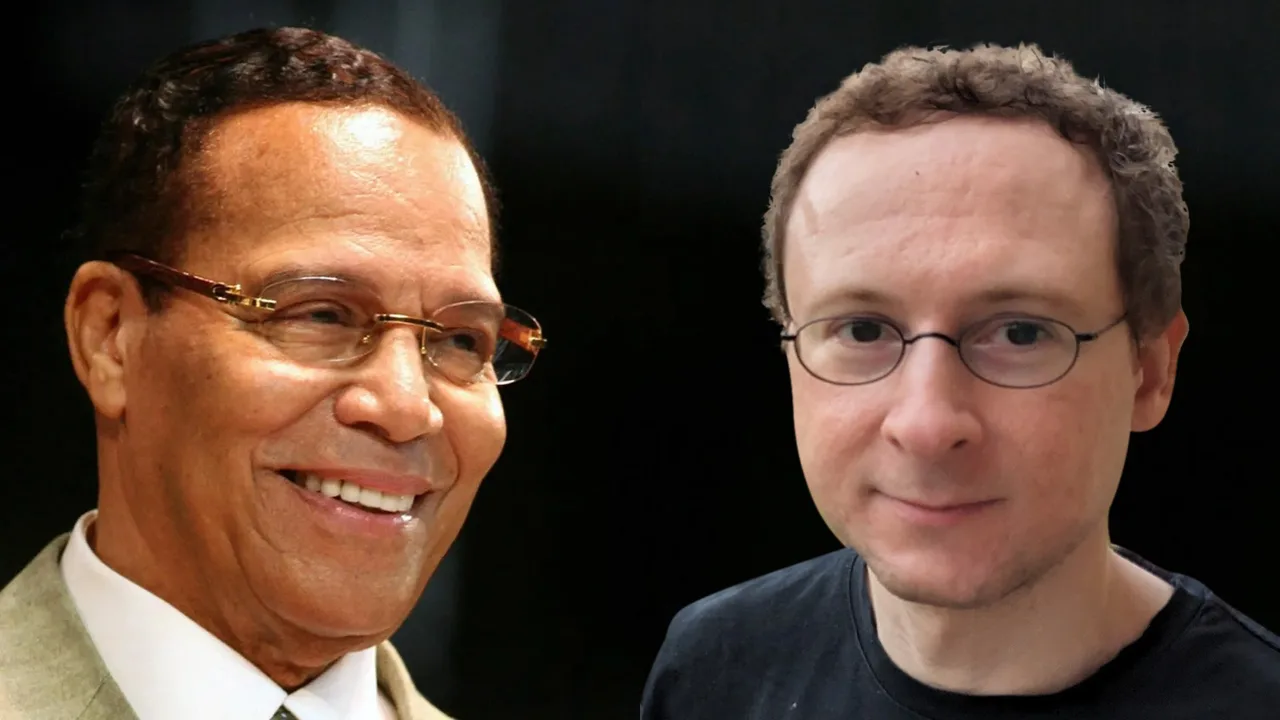
In 2000, Louis Farrakhan sought to visit Britain for seven days. The Nation of Islam leader wanted to meet community groups and give a speech on reconciliation. He had signed an undertaking about his conduct. His speeches already circulated here without prosecution. Home Secretary Jack Straw acknowledged all of that. He also acknowledged that, apart from a disturbance outside the Stephen Lawrence Inquiry in 1998, the Nation of Islam had no recorded history of violent disorder in Britain.
Straw kept the existing ban in place. He considered Farrakhan’s past remarks antisemitic and racially divisive. Against the backdrop of tensions in the Middle East, he judged that a visit could damage relations between Muslims and Jews in Britain. What mattered was also what other people might do: the Home Office anticipated disorder involving supporters or opponents, even against Farrakhan’s wishes. In 2002 the Court of Appeal upheld the decision, giving weight to Straw’s personal review and the range of people he had consulted.
That record poses a question for the present Home Secretary. When a Black American religious leader wanted to speak in Britain, the reception he might receive counted in the case for keeping him out. When a white American academic who had questioned Black people’s place in public life came to speak at Oxford, did anyone in government weigh the effect on Black students and the wider community? Who, if anyone, sought their views?
Farrakhan was already subject to an exclusion decision. His case carried its own history and evidence. A protest at Oxford, however large, establishes public opposition. It cannot by itself establish a threat of violence. The comparison matters because ministers once explained in considerable detail how they assessed the likely consequences of a visit. It is fair to ask whether Black communities receive the same consideration when they are the people raising the alarm.
In June this year, the Home Office confirmed that it had cancelled the electronic travel authorisations of American political commentators Hasan Piker and Cenk Uygur ahead of public appearances. In 2013 it publicly confirmed the exclusion of American anti-Muslim activists Pamela Geller and Robert Spencer, who had planned to attend an English Defence League rally in Woolwich. The department has explained decisions affecting speakers across political lines.
We do not know how Cofnas entered Britain. An ETA authorises travel, and some travellers already hold permission that makes one unnecessary. Nor do we know whether ministers were consulted, whether police made a referral or whether officials decided there was no case to answer. His appearance at Oriel settles none of those questions.
The Home Office’s own guidance says officials should keep a record and reasons when they consider exclusion and conclude that no further action is appropriate. It also explains why an individual decision may remain confidential. But in April the department told Parliament that an exclusion decision must be “consistent with decisions taken in similar circumstances”. That is a public commitment. Ministers can explain how they test it without disclosing a single passenger’s immigration status.
The question for the Home Secretary is whose evidence counts. When Black students say a visiting speaker’s claims call their very presence at university into question, what weight does the Home Office give to that warning? What evidence would take it from a concern raised in a college meeting to a public-order question on a minister’s desk? JAM Radio put the substance of those questions to the Home Office before the talk. Cofnas has now spoken. The Home Secretary's answer is an invitation to ask again in the future.