April 01, 2026 - 6333 views
Barefaced Racism: Bouncer Slams BBC Over Bob Vylan Blacklisting Scandal

O
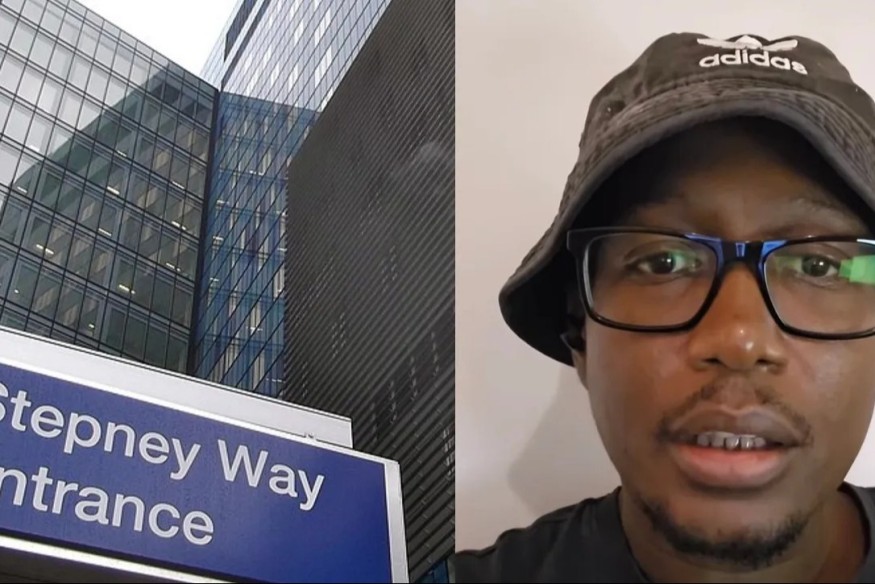
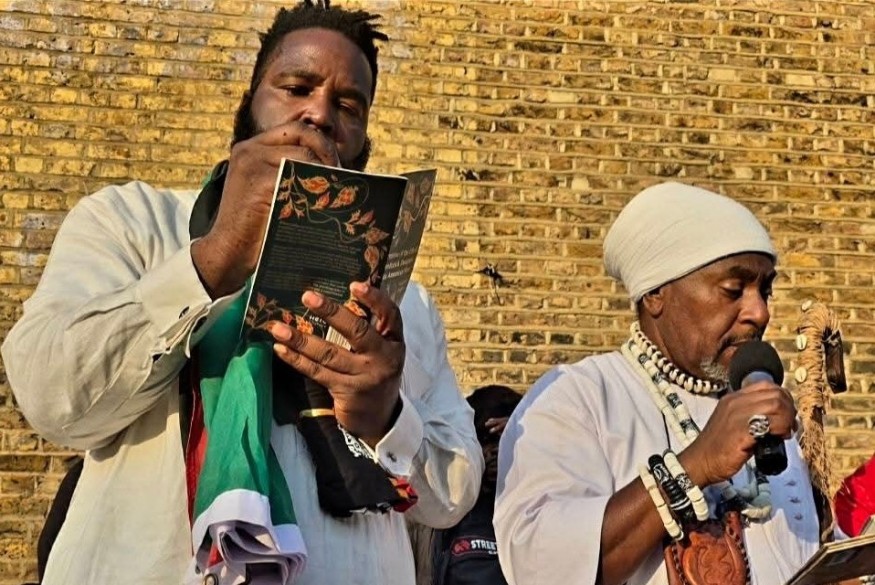
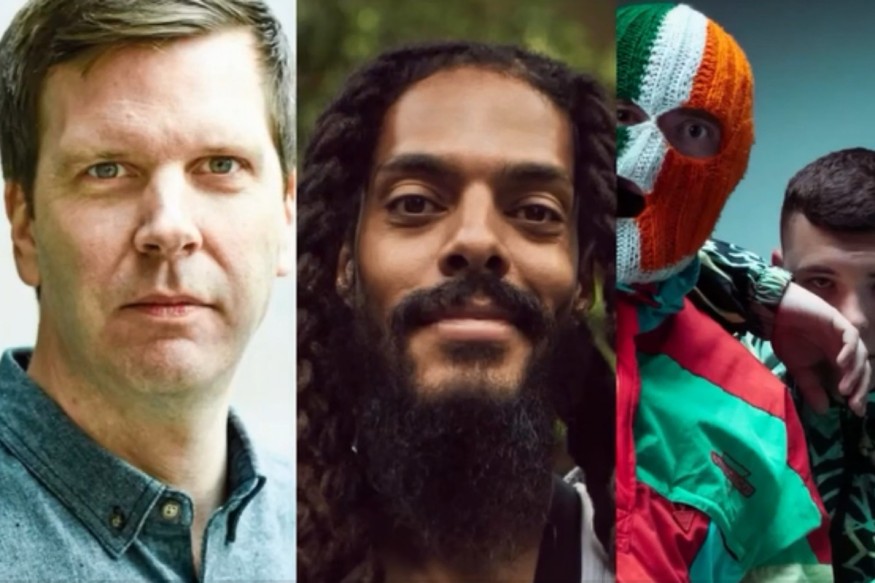
nline commentator Bouncer has ignited a firestorm across social media, accusing the BBC of barefaced racism following reports that punk-grime duo Bob Vylan has been added to an internal "block list."
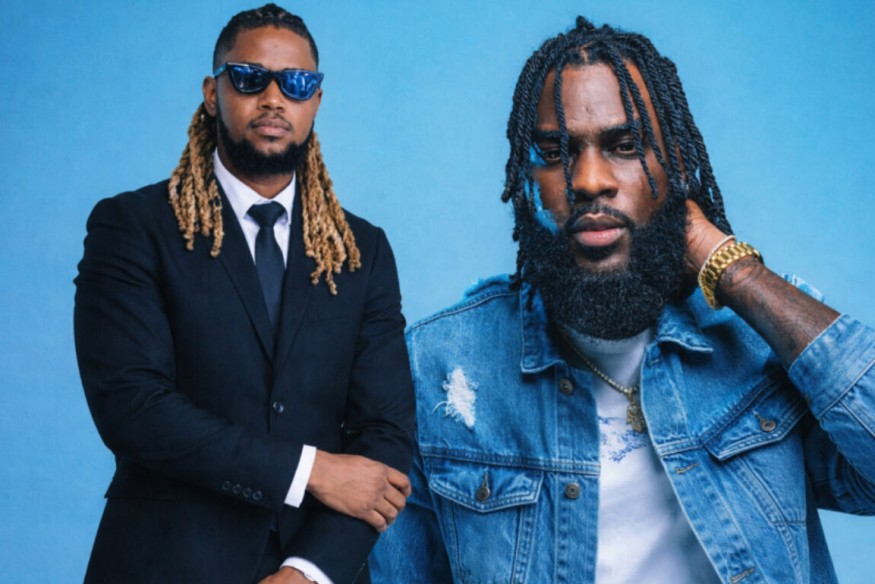
The controversy erupted after it surfaced that the award-winning independent act, known for their searing social commentary, was allegedly placed on a restricted airplay list alongside figures like Michael Jackson and Wiley.
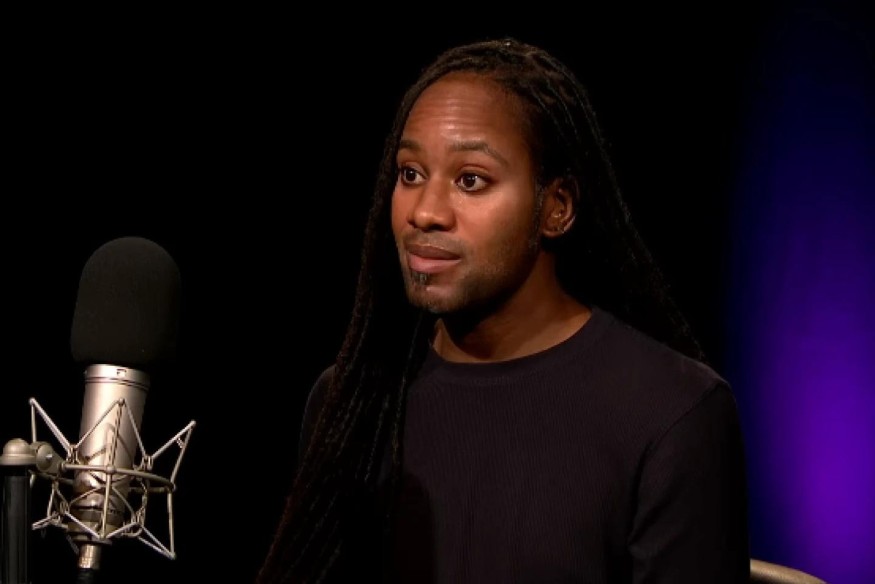
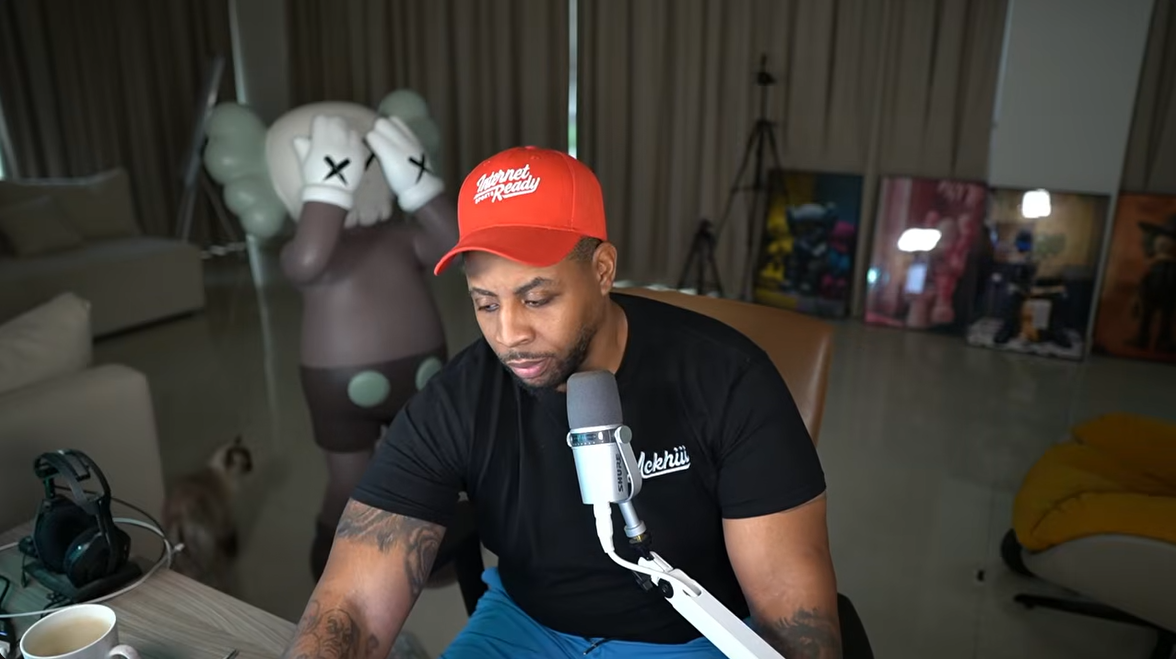 Online comentator Bouncer - image: Youtube
For years, critics have accused the BBC of operating with a quiet, institutional bias, the sort that hides behind polished PR statements and the illusion of impartiality. But the events of the past few months have pushed those concerns into the spotlight with a force that can no longer be brushed aside. The BAFTAs fiasco was the first major crack: a racial slur was broadcast uncensored, yet the phrase “Free Palestine” was surgically removed from the same ceremony. Viewers were left asking how a broadcaster so obsessed with compliance could miss one and censor the other. Add to that the baffling absence of major Black actors like Delroy Lindo and Michael B. Jordan from key BBC coverage, and the pattern begins to look less like oversight and more like selective sensorship.
The situation escalated further when BBC Radio 1 quietly blacklisted Bob Vylan after the duo voiced support for Palestine. Fans noticed the sudden disappearance from playlists. Industry insiders noticed the silence. And then came the twist that made the whole thing impossible to defend: Kneecap — a white Irish rap group — publicly said the exact same words, “Free Palestine”, yet their music remained untouched. No blacklisting. No quiet removal. No sudden drop in rotation. The contrast was so stark that many observers described it as a “case study in double standards”.
Advertisement

This is where the public conversation has shifted from confusion to outright suspicion. Why is political expression tolerated from some artists but treated as a punishable offence when voiced by Black musicians?
Why does the BBC appear to enforce its rules with a heavier hand when the speaker is Black? These are not fringe questions, they are being asked loudly across social media, in music circles, and by audiences who have watched these inconsistencies pile up. The BBC insists it is impartial, but impartiality does not survive selective enforcement. It certainly doesn’t survive a scenario where two artists say the same thing and only the Black artist faces consequences.
Advertisement

The BAFTAs censorship only deepened the distrust. Viewers saw a racial slur left intact, a moment that should have triggered immediate editorial intervention, while “Free Palestine” was removed with surgical precision. To many, the message was unmistakable: certain harms are tolerated, certain voices are muted, and certain communities bear the brunt of the broadcaster’s decisions. Whether intentional or not, the outcome is the same: a growing public perception that the BBC’s editorial judgement disproportionately disadvantages Black artists and Black voices. The BBC may deny racism, but the public is increasingly convinced that the pattern speaks for itself, and they are no longer willing to stay quiet about it.
JamRadio may earn a commission if you purchase products advertised on our website at no extra cost to you.
Follow JamRadio for updates: