April 23, 2026 - 2442 views
Holding Jobs to Ransom? Why Rishi Sunak’s Tax Plan Favours Machines Over British Workers

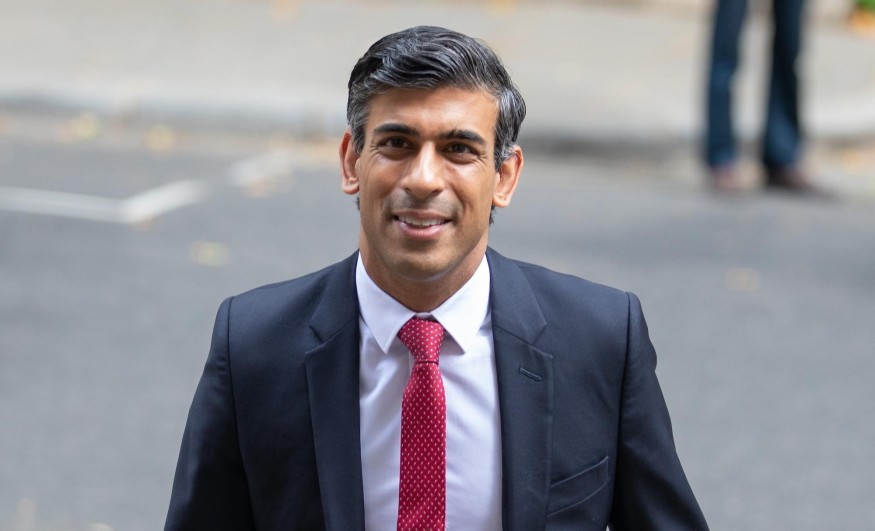
Former Prime Minister Rishi Sunak has waded into the raging storm of the AI revolution with a provocation that sounds suspiciously like a classic bait-and-switch. Speaking recently on the state of the job market, the former leader—now comfortably positioned as an adviser to multi-billion-dollar tech giants Anthropic and Microsoft, has called for the elimination of National Insurance contributions for businesses.
His argument? That our current tax system makes hiring humans "expensive" compared to deploying AI agents. By taxing human labour through National Insurance while leaving AI software largely untaxed, Sunak argues that the government is essentially penalising companies for choosing people over algorithms.
Former Prime Minister Rishi Sunak is calling for the elimination of National Insurance, arguing that current taxes make AI "cheaper" to hire than humans. Is our tax system disincentivising entry-level jobs? #AI #Economy #Jobs #RishiSunak pic.twitter.com/fiVSngqgIW
— Jam Radio UK News (@Jam_RadioUK) April 23, 2026
The Billionaire’s "Slick" Logic
On the surface, Sunak’s pitch for tax breaks might seem like a common-sense economic lever. But look closer, and the optics are jarring. Here we have a billionaire, deeply embedded in the very tech firms currently pushing AI into every corner of the British economy, advocating for policies that would effectively subsidise corporate bottom lines.
Advertisement

Sunak is framing this as a "pro-jobs" move, but for the average worker, it feels like a ransom note. The message is clear: If you want companies to hire humans, you have to make humans cheaper—or, at the very least, make the machines more expensive.
The AI-Industrial Complex
The irony of Sunak’s position is particularly sharp when you consider the extent to which firms like Microsoft and Palantir have already colonised the British state. From the NHS to various government departments, these US giants have secured massive, multi-million-pound contracts to manage the backbone of our public services.
Advertisement

Palantir, for example, is currently at the centre of a heated national debate over its £330 million contract to deliver the NHS Federated Data Platform, with staff, unions, and MPs questioning the wisdom of embedding an American "surveillance-tech" firm into our health service. Meanwhile, the government continues to lock public sector bodies into long-term, high-cost deals with Microsoft, effectively creating a cycle of dependency where the taxpayer funds the very giants now replacing human labour with AI.
The Real Solution: Tax the AI, Not the People
If Sunak is correct that the current tax system is pushing businesses to automate rather than hire, then the answer isn't to slash taxes for corporations—it’s to finally address the "AI dividend."

If AI is indeed killing off entry-level roles, the very rungs of the ladder that young people need to start their careers, then those AI systems should be paying their fair share into the economy. Taxing the deployment of large-scale AI agents is no longer a fringe academic idea; it is a necessary economic defence. The revenue generated from such a tax could serve as a vital buffer for the welfare bill, which is set to balloon as structural unemployment rises, and provide the funding needed to upskill a generation displaced by the rise of the machines.
A Country Under Pressure
The urgency of this debate cannot be overstated. Since the pandemic, the wealth gap in the UK has widened into a chasm. While the top 10% of households continue to accumulate massive wealth, the working class is being crushed.

We are living through a "perfect storm." Two major wars abroad are keeping energy costs volatile and high, feeding directly into a cost-of-living crisis that has left household budgets at a breaking point. When the cost of electricity is high, the cost of heating is high, and food prices remain stubborn, the last thing the British public needs is a race to the bottom where human labour is treated as a "premium" cost to be avoided by corporations.

Sunak may think he’s being "slick" by positioning himself as an advocate for the job market, but he is fundamentally dodging the larger issue: we are witnessing the biggest transfer of wealth from workers to machines in modern history. If the government fails to capture the value generated by AI, they are not just failing to balance the economy, they are abandoning the next generation to a future where they are, quite literally, unaffordable to hire.
JamRadio may earn a commission if you purchase products advertised on our website at no extra cost to you.
Follow JamRadio for updates: