Published 28 views

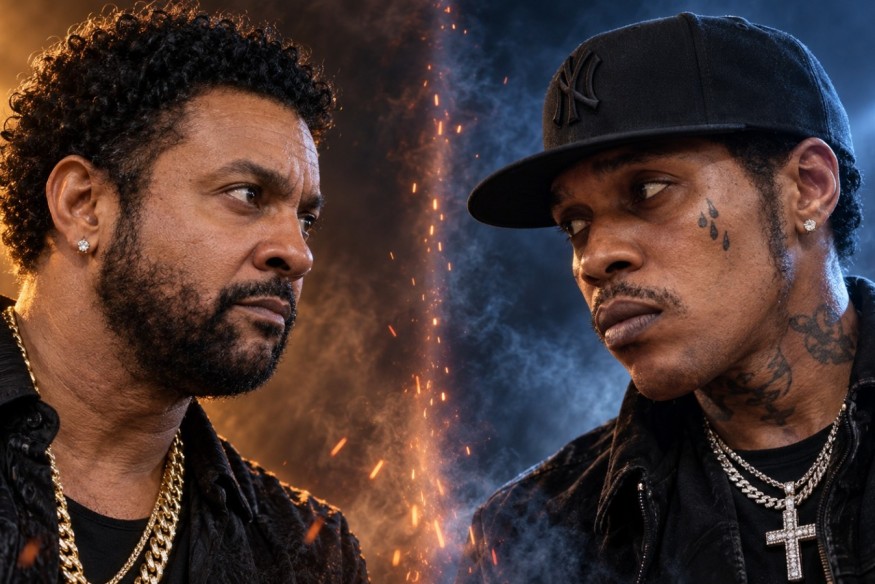
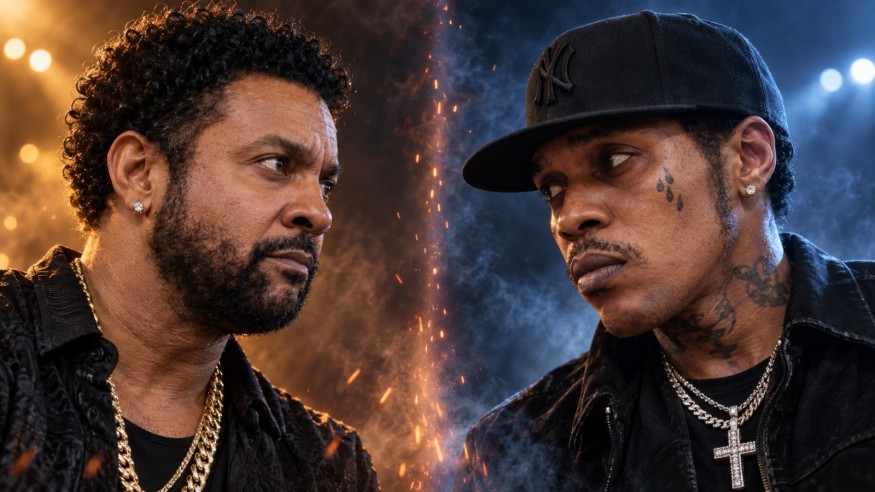
The latest debate erupted after veteran international star Shaggy suggested there is no single King of Dancehall, a view that has divided fans and reignited one of the genre's longest-running conversations. His comments have sparked heated reactions across social media, particularly among supporters of Vybz Kartel, who many regard as the undisputed ruler of the modern era.
But perhaps the bigger question is not who deserves the crown. Perhaps the real question is whether there should be a crown at all.
A Genre Built by Many Kings
Dancehall did not arrive through the work of one artist.
Before today's generation, there was Yellowman. Then came Shabba Ranks, Ninja Man, Bounty Killer, Beenie Man, Buju Banton, and countless others who each shaped the culture in their own way. Every era had its dominant voice, its movement, its heroes, and its loyal fan base.
The truth many fans struggle to accept is that Dancehall's history is far too rich to be reduced to a single throne.
Shaggy's argument appears to be rooted in that reality. While he acknowledged Kartel's influence, he rejected the idea of a single king, instead pointing to different artists dominating different periods and markets.
That view may frustrate passionate supporters, but it is not unreasonable.
In fact, it reflects the way music evolves.
The Kartel Question
There is no denying Vybz Kartel's impact on Dancehall.
His catalogue is enormous. His influence on younger artists is undeniable. Even during his incarceration, his music remained relevant, his fan base remained loyal, and his name continued to dominate discussions throughout the culture.
Those are achievements that deserve acknowledgement.
However, influence alone does not automatically settle the debate.
If the title "King of Dancehall" is supposed to represent leadership, cultural responsibility, and the highest standard of artistry, then fans are equally entitled to ask difficult questions when their favourite artists fall short of those expectations.
The crown cannot only apply when things are going well.
It must also withstand scrutiny when controversy arrives.
What Does a King Represent?
This is where the discussion becomes more interesting.
Is a king simply the artist with the loudest fan base?
Is it the artist with the most streams?
The biggest concerts?
The most viral moments?
Or is it something greater?
Many of the figures historically praised as Dancehall royalty were celebrated not only for their music but also for the way they represented Jamaican culture on the world stage.
Adn that responsibility matters greatly.
It is why fans hold artists to higher standards. It is why public behaviour often becomes part of the discussion. And it is why some observers have begun questioning whether modern fan culture sometimes protects artists from legitimate criticism simply because they are successful.
The Problem With Crowning Winners
What often gets lost in these debates is that artists are not running the race for the same reasons.
Some musicians focus on international crossover success.
Others focus on lyrical dominance. Some build careers through longevity, while others dominate a specific generation. Each achievement is significant in its own right.
Shaggy's supporters argue that global reach and longevity should carry weight. Kartel supporters point to influence and cultural impact. Both sides make valid points.
The problem begins when fans try to measure every artist using the exact same criteria. Music rarely works that way.
Dancehall Is Bigger Than Any One Man
Perhaps the healthiest view is also the simplest one. Dancehall does not belong to one artist, It never has. Every generation discovers its own heroes. Every era creates its own legends. Every fan connects with the artist who speaks most directly to their experiences. That is why debates over the "King of Dancehall" continue year after year without a definitive answer.
There may never be one and perhaps that is exactly how it should be, because the true strength of Dancehall has never been found in a crown. It has always been found in the culture itself.
As the current social media storm demonstrates, fans are still fiercely passionate about who deserves the title. Yet the very existence of that argument may be proof that no single artist can completely own it.
In the end, Dancehall's greatest achievement is not producing one king. It comes from producing generations of artists important enough for people to keep having the conversation.