August 14, 2026 - 1701 views
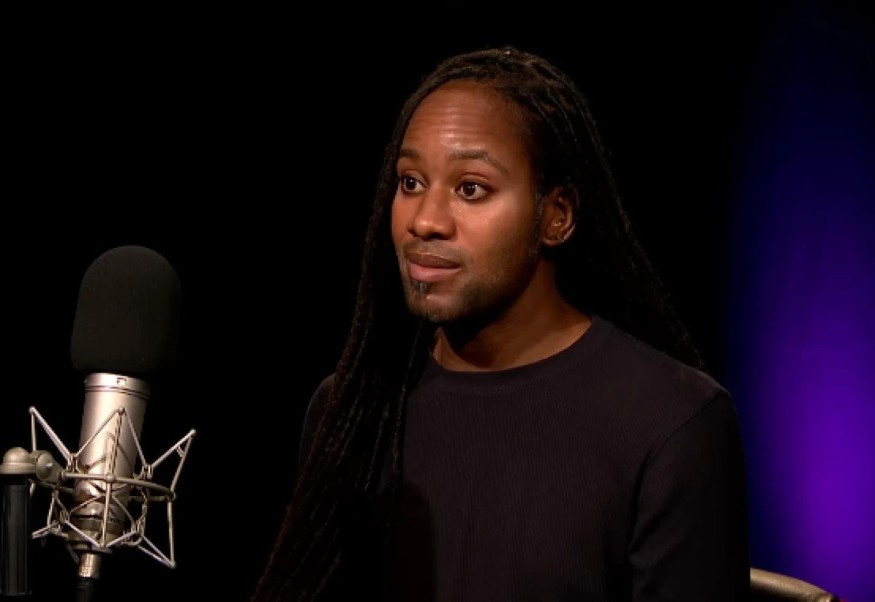
Image: Jason Arday speaking to Krishnan Guru-Murthy for Channel 4 News. Credit: Channel 4 News / video still.
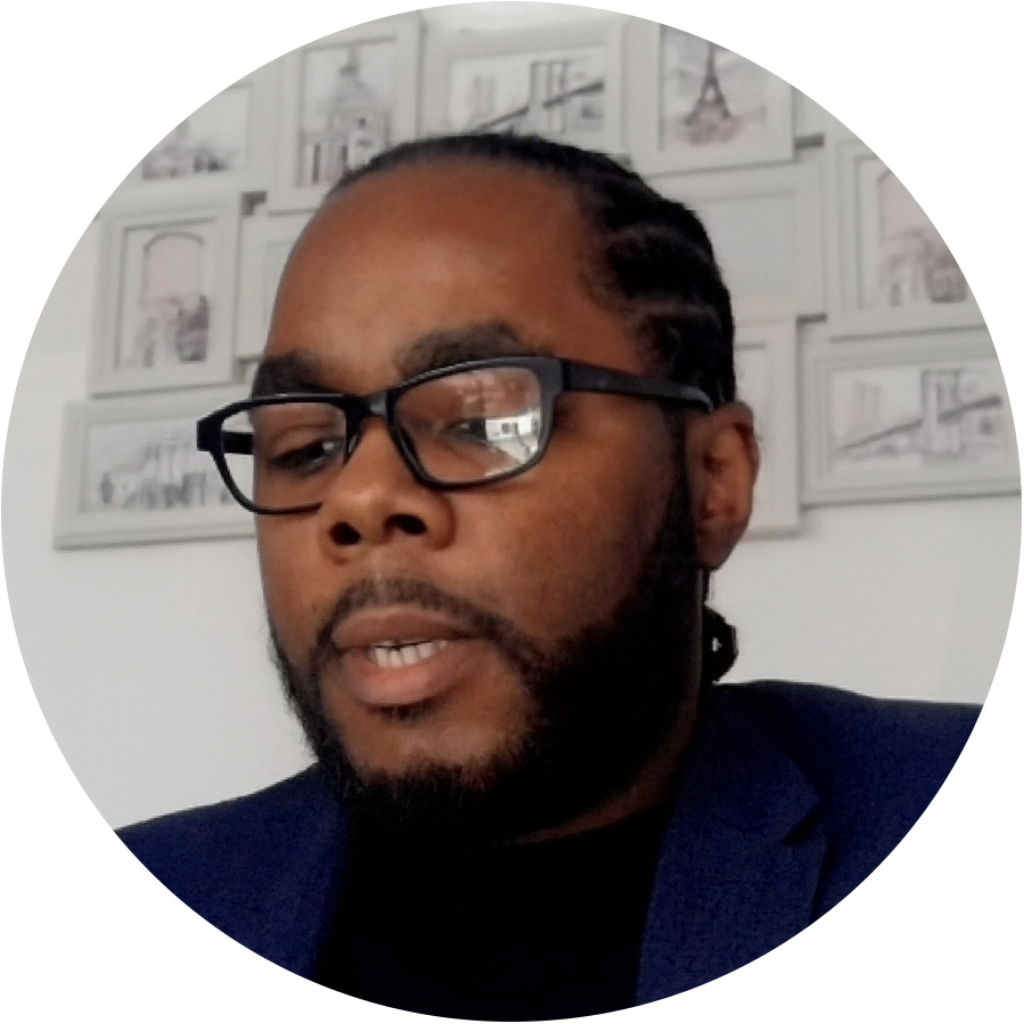
A vulnerable, neurodivergent Black academic was subjected to an extraordinary public hounding, and the human cost of that campaign cannot simply be brushed aside.
Professor Jason Arday is dead at just 41. Only days before his death, he said that relentless accusations, speculation and public commentary had taken a “profound toll” on him.
JamRadio extends its deepest condolences to Jason Arday’s family, friends, colleagues, students and all who loved him. Arday was found unresponsive at an address in Battersea, south London, on Friday and was pronounced dead at the scene. Police say his death is being treated as unexpected and is not believed to be suspicious, with a file being prepared for the coroner.
But the events immediately before his death matter. On August 5, just nine days earlier, Arday resigned from the University of Cambridge and Jesus College after weeks of intense scrutiny over allegations concerning plagiarism, his academic record and claims about parts of his personal history. In his resignation statement he said the “relentless accusations, speculation and public commentary” had taken a “profound toll” on him and those he loved. He said there comes a point when the personal cost becomes too great.
Advertisement
Collect AKIMYAX Anime Keyrings
Meet Nori & Miko — the first original duo from the AKIMYAX Pocket Duo Series.
SHOP AKIMYAXA vulnerable man whose vulnerabilities were public knowledge
Arday’s vulnerabilities were not hidden. Cambridge itself celebrated his extraordinary journey when he became its youngest Black professor in 2023, describing how he had been diagnosed with autism as a child and had faced major barriers with communication and literacy. His work went on to focus heavily on race, inequality, neurodiversity, mental health and access to higher education.
Yet when questions emerged about his academic work, the scrutiny rapidly expanded far beyond a narrow examination of scholarship. His childhood, disability, fundraising, sporting achievements, personal history and accounts of racism were all pulled into an increasingly ferocious public debate. A man who had once been held up as a symbol of overcoming adversity became, almost overnight, a target onto whom much wider arguments about race, diversity and merit were projected.
The circus of vultures feasting off Jason Arday are either going to kill him or get him killed. For what? Not Plagiarism he’s cleared for. Accusations of lies/errors/inconsistencies? This isn’t accountability - it’s a public execution. A relentless onslaught for over 2 wks. Back… pic.twitter.com/Dgqefuqhgu
— Dr Shola Mos-Shogbamimu (@SholaMos1) August 10, 2026
Scrutiny became a spectacle
There were legitimate questions to investigate. Allegations concerning plagiarism and inconsistencies in Arday’s record deserved proper examination by the universities responsible, and no academic should be immune from scrutiny. But institutional investigation and public accountability are not the same thing as turning a human being into a national spectacle.
The story became increasingly personal and ideological. Coverage did not simply ask whether passages had been properly attributed; it interrogated the narrative of Arday’s entire life. Black academics warned that his case was being weaponised as evidence against diversity initiatives generally, while Arday himself said what he was experiencing had gone “far beyond scholarly disagreement”.
Advertisement

AKIMYAX Pocket Duo — Nori & Miko
Two pocket-sized personalities, one original anime-inspired duo. Discover Nori & Miko and more artist-created designs from AKIMYAX.
VIEW NORI & MIKOThe origins of the campaign cannot be ignored
One of the figures who drove renewed scrutiny of Arday was Nathan Cofnas, an academic who describes himself as a “race realist” and who had previously attracted outrage after arguing that a genuinely meritocratic system would produce “close to zero” Black professors at Harvard. That history does not decide whether evidence raised about Arday was accurate; evidence must be assessed on its merits. But it does make the racial and ideological context surrounding the campaign impossible to dismiss.
Arday had already warned publicly about what he believed was a “playbook” used against prominent Black academics: identify errors or inconsistencies, amplify them through media and political channels, and allow the resulting pressure to overwhelm the individual. Whether every part of that analysis was correct or not, the description now feels chillingly relevant to the final weeks of his life.
He told us what the pressure was doing to him
This is the part that should trouble everyone. Arday did not disappear quietly while outsiders guessed about his state of mind. He explicitly told the public that the barrage was taking a profound toll on him and the people he loved. He resigned because, in his own words, "the personal cost had become too great."
Nine days later, he was dead. The moral chain between those events cannot simply be severed. Directly or indirectly, a vulnerable man was subjected to sustained public pressure, told us that pressure was breaking him, withdrew from the career that had defined his public life, and was gone days later.
Advertisement
Collect AKIMYAX Anime Keyrings
Meet Nori & Miko — the first original duo from the AKIMYAX Pocket Duo Series.
SHOP AKIMYAXAccountability without humanity is not justice
There is also a wider responsibility here for universities, journalists, commentators and the online audiences that turn controversy into blood sport. The ability to publish another allegation, another thread or another headline does not remove the obligation to consider the cumulative effect on the person at the centre of it. Public-interest journalism must expose wrongdoing, but it should never lose sight of the fact that its subjects are human beings.
Britain should ask what it has become
Only days before his death, Jason Arday told Britain that he was struggling under the weight of relentless accusations and public commentary. We heard him. The machine kept moving anyway.
Now he is dead at 41.
JamRadio ahd taken the concious decision from the outset, not to weigh in on the debate of an already vulnerable Jason Arday and decided not to publish any stories on this matter.
This cannot simply become another news cycle followed by silence. There has to be a reckoning with how public scrutiny became public hounding, how a known vulnerable man was allowed to become the object of an ideological feeding frenzy, and why compassion seemed to disappear precisely when it was most needed.
Jason Arday also deserved dignity, humanity and mercy, now his family and loved ones are left to pickup the pieces. May he rest in peace.