March 04, 2025 - 1561 views
More Trade Wars as Trump Hits Canada, Mexico, China With Steep Tariffs
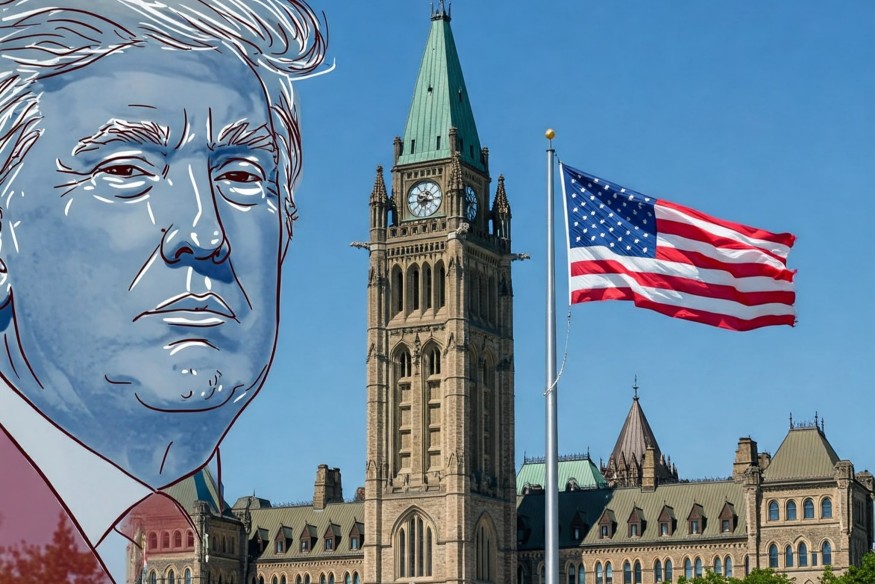
On March 4, 2025, U.S. President Donald Trump imposed new tariffs, escalating trade conflicts with Canada, Mexico, and China. The tariffs include a 25% duty on imports from Canada and Mexico, and a doubling of duties on Chinese goods to 20%1. These actions could disrupt nearly $2.2 trillion in annual U.S. trade1.
Trump justified the tariffs by citing the failure of these countries to curb the flow of fentanyl into the U.S. In response, Canada and Mexico announced immediate retaliatory tariffs1. Canadian Prime Minister Justin Trudeau stated that Canada would impose 25% tariffs on C$30 billion ($20.7 billion) worth of U.S. imports, with additional tariffs if Trump's tariffs remain in place1. Trudeau mentioned targeting American products such as beer, wine, bourbon, home appliances, and Florida orange juice1. Ontario Premier Doug Ford also indicated potential measures, including cutting off shipments of nickel and electricity to the U.S.1.
Mexico's President Claudia Sheinbaum was expected to announce her country's response during a morning news conference1.
China responded by announcing additional tariffs of 10%-15% on certain U.S. imports starting March 10 and implementing new export restrictions for designated U.S. entities1. The new 20% tariff on Chinese goods adds to a 10% tariff imposed by Trump in February 2025, aimed at punishing Beijing over the U.S. fentanyl overdose crisis1. This cumulative 20% duty is on top of tariffs of up to 25% imposed during Trump's first term on $370 billion worth of U.S. imports1. Some products, such as Chinese semiconductors and electric vehicles, saw significant tariff increases under former President Joe Biden1.
The 20% tariff will apply to major U.S. consumer electronics imports from China, including smartphones, laptops, video game consoles, smartwatches, and Bluetooth devices1.
These developments mark a significant escalation in trade tensions, with potential widespread economic impacts.