March 15, 2026 - 1315 views
Pressure Mounts on Government to Reduce Fuel Duty Amid Cost-of-Living Crisis

Motorists across the UK are once again feeling the squeeze as fuel prices remain stubbornly high. For many households already struggling with rent, food and energy bills, the cost of filling the car has become yet another pressure point in the ongoing cost-of-living crisis.
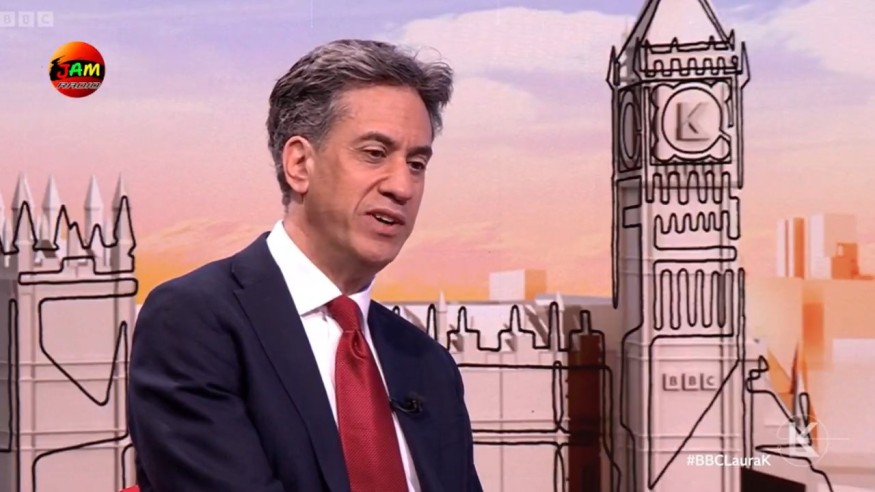
During a BBC interview this morning, Energy Secretary Ed Miliband stopped short of committing to a simple measure that could bring immediate relief: reducing fuel duty.
???? BREAKING:
— Jam Radio UK News (@Jam_RadioUK) March 15, 2026
Energy Secretary Ed Miliband tells Laura Kuenssberg the government will “stand by the British people” through the UK–Iran conflict, pledging support as energy prices and the wider cost of living surge. #BBCLauraK #BBCPolitics #CostOfLiving pic.twitter.com/ypXgRc38Gt
Speaking to Laura Kuenssberg, Miliband repeatedly stressed uncertainty about global events and the ongoing conflict affecting energy markets. The government, he said, is “preparing for all eventualities” and will “stand by the British people”.
But for many drivers listening, that reassurance may ring hollow. Because the reality is that the government controls a large portion of the price motorists pay at the pump.
Advertisement
 Shop: Whole Home Solar Power Station
According to figures highlighted during the interview, around 38% of the price of a litre of petrol is fuel duty, with another 17% added in VAT. Together, that means more than half of what drivers pay goes directly to the Treasury.
By contrast, the wholesale cost of the fuel itself accounts for roughly a third of the price, while retailers take a relatively small margin.In other words, while global oil markets and conflicts may drive the base cost of fuel, taxation remains one of the largest components of what drivers ultimately pay.
Global tensions driving fuel costs
The government has pointed to global instability as a key factor behind rising fuel prices. The U.S.-Israeli attack on Iran and wider tensions in the Middle East have already pushed global oil prices higher, raising concerns about potential disruptions to supply routes and shipping lanes that are vital to the world’s energy markets.
Advertisement
 Shop: Ecoflow Whole Home Power Supply Units
When oil prices rise internationally, the impact is felt almost immediately by drivers in the UK. Petrol and diesel costs at the pump track global energy markets closely, meaning geopolitical instability thousands of miles away can quickly translate into higher costs for households here at home.
But the consequences of rising fuel prices extend far beyond motorists.
The hidden impact on food prices
Fuel is a core cost throughout the supply chain that brings goods to British households.
Road haulage companies transporting products across the UK rely heavily on diesel. At the same time, international shipping and sea freight — responsible for bringing many imported ingredients and goods into the country — depend on oil-based fuels.
Advertisement

When fuel prices rise, the cost of transporting those goods increases. Those higher costs are then passed through the supply chain: from manufacturers to distributors, from wholesalers to retailers, and ultimately to consumers.
That means the impact can be felt not just at petrol stations, but also in supermarkets.
Food production in particular is vulnerable to rising fuel costs. Many products travel long distances from farms to processing plants, then onto distribution centres before finally reaching supermarket shelves. Refrigeration, packaging and manufacturing processes also rely heavily on energy.

As fuel and energy costs increase, businesses often have little choice but to pass those additional expenses on to customers — contributing to higher grocery bills for households already under financial pressure.
For families struggling with rising living costs, the knock-on effect of higher oil prices can therefore be felt twice: once at the pump and again at the checkout.
Calls for relief
This raises a straightforward question: if the government is serious about helping households through the cost-of-living crisis, why not temporarily reduce the tax burden on fuel?

Motoring groups have also highlighted how government policy on fuel duty directly affects drivers. The RAC has previously said motorists were “relieved” when the government chose to maintain the temporary fuel duty cut introduced in 2022, noting that keeping duty lower saves drivers money every time they fill up.
For those commuting to work, running small businesses, or simply trying to manage the weekly shop, fuel is not a luxury. In many parts of the country — particularly outside major cities — it is a necessity. When prices rise sharply, households do not have the option to simply stop driving.
What they do instead is cut back elsewhere. That means less spending in local shops, less money circulating in the economy and greater financial stress for families who are already stretched thin.
A temporary reduction in fuel duty, even a modest one, would provide immediate and visible support for households feeling the strain. It would show that the government is prepared to share the burden of rising costs rather than simply collect more tax as prices climb.
The cost-of-living crisis is not an abstract economic debate. It is being felt every day in kitchens, on driveways and at petrol stations across the country.
And if the government genuinely wants to ease that pressure, the lever is already in its hands.
JamRadio may earn a commission if you purchase products advertised on our website at no extra cost to you.
Follow JamRadio for updates: