March 24, 2026 - 3140 views
Chadwick Boseman’s Hidden Battle: How He Worked Through Pain, Cruelty and Hope.

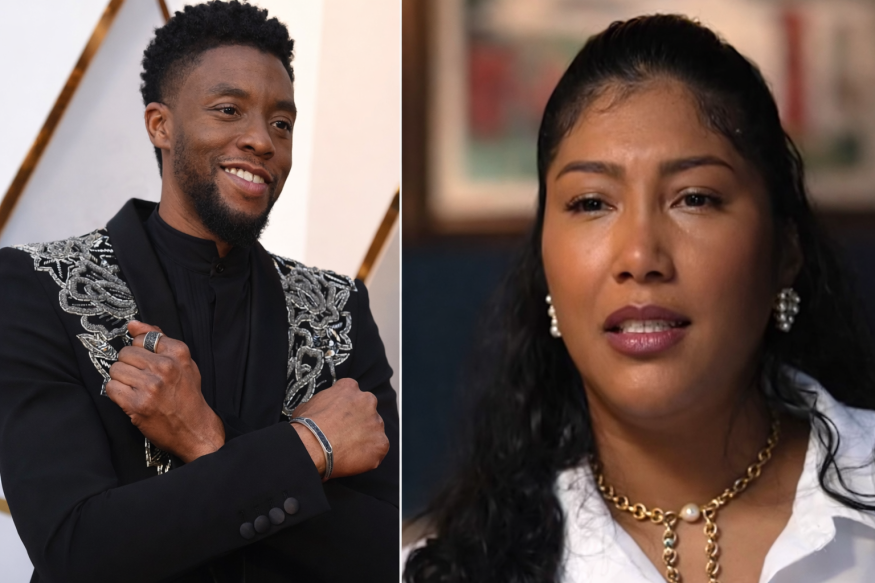
Chadwick Boseman’s final years have taken on an almost mythical quality, not because he sought to be a symbol, but because he carried the weight of a private battle with a grace the world only understood when it was too late. His widow, Simone Ledward Boseman, has recently opened up about the truth behind those years, the sudden diagnosis, the surgeries, the chemotherapy, and the unwavering belief that he would survive. While the world celebrated Black Panther as a cultural earthquake, the couple were quietly celebrating something even more profound: a clear scan, a moment of remission, a brief window where life felt possible again. Simone describes that period as beautiful, a memory now bittersweet because it represents everything they fought for.
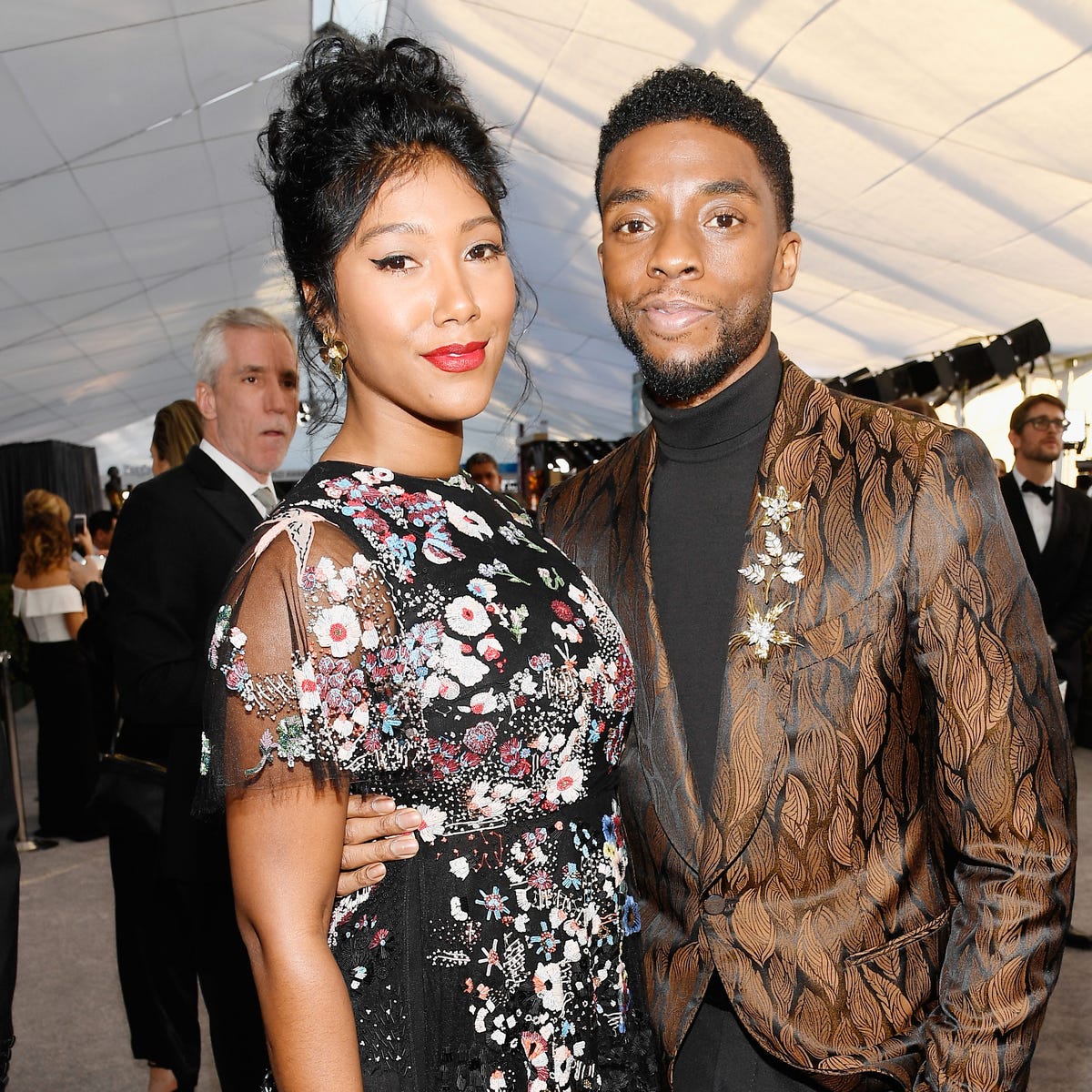 Chadwick was diagnosed with stage 3 colon cancer in 2016, two years before Black Panther was released. He kept the diagnosis private from the public and even many colleagues. Simone repeatedly said they were confident he would “make it through,” viewing the diagnosis as a challenge rather than a death sentence. Image Credit: Getty Images/Kevork Djansezian
What makes Chadwick’s story so extraordinary is not simply that he worked through pain, but that he worked through it while giving the world some of the most historic performances of his generation. From 42 to Marshall, from Da 5 Bloods to the Oscar‑nominated Ma Rainey’s Black Bottom, he delivered roles that demanded physicality, emotional depth and cultural responsibility, all while undergoing treatment he never disclosed. He refused to let illness define him, and he refused to let the industry treat him differently. Even Simone admits that many people around him had no idea what he was carrying, because he didn’t want pity, only purpose.
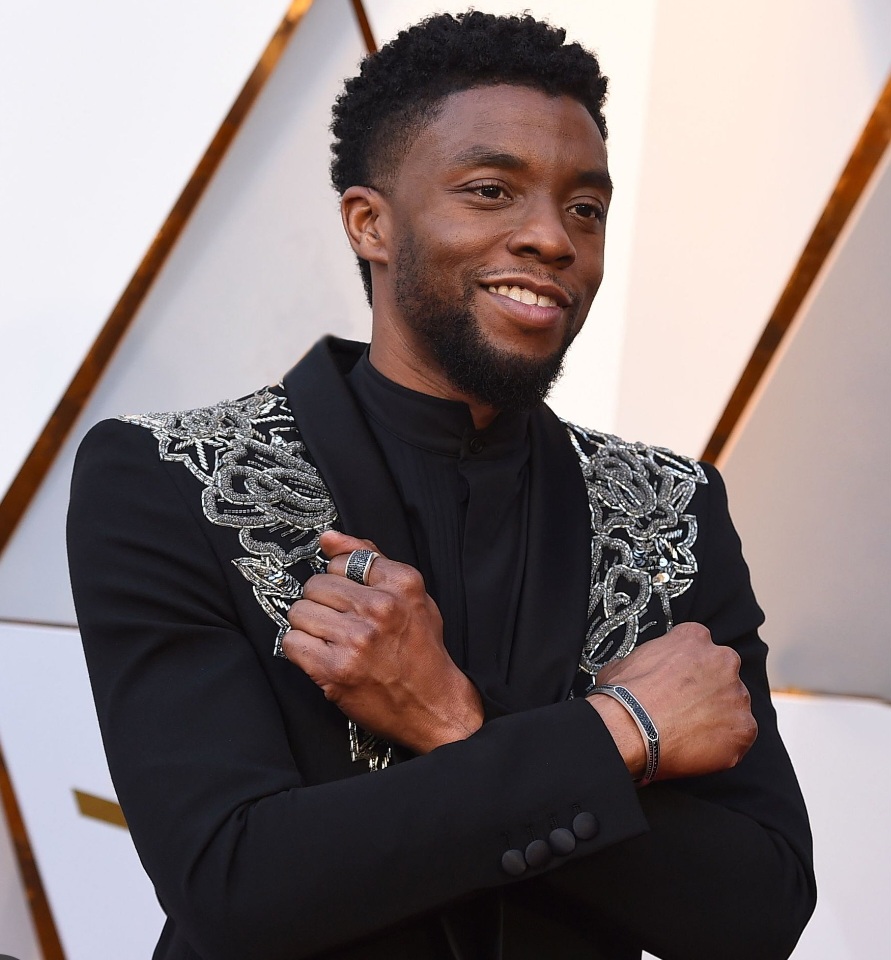 Chadwick Boseman didn’t just play heroes, he became one. Through every role, every barrier he broke and every story he uplifted, he stood as a symbol of Black excellence, dignity and possibility. His legacy reminds us that representation is power, and he used his to open doors for generations who will now walk through them with their heads held high: Image Credit: Jordan Strauss/Invision/AP/Shutterstock.
Yet the world’s ignorance came with a cost. When photos of his weight loss surfaced online, social media erupted with jokes, memes and cruel speculation. People mocked what they didn’t understand, unaware that they were witnessing the visible toll of a man fighting for his life. Simone’s reflections now cast those moments in a devastating light, reminding us how quick we are to judge and how slow we are to show compassion. Chadwick absorbed that cruelty in silence, choosing dignity over explanation, even as the internet tore him apart for symptoms he was desperately trying to manage.
View this post on Instagram
In the end, Simone’s words are not an attempt to rewrite his legacy but to protect the truth of it. Chadwick Boseman was not a superhero because he played one — he was a superhero because he lived like one, choosing courage over comfort, service over sympathy and love over fear.
Advertisement

His story teaches us that behind every public figure is a private life we know nothing about, and behind every image is a human being deserving of empathy. Chadwick’s final years were marked by pain, hope, resilience and an unshakeable partnership, and in sharing their journey, Simone has given the world a final gift: a reminder to look deeper, feel more and judge far less.
Follow JamRadio: