August 27, 2026 - 390 views
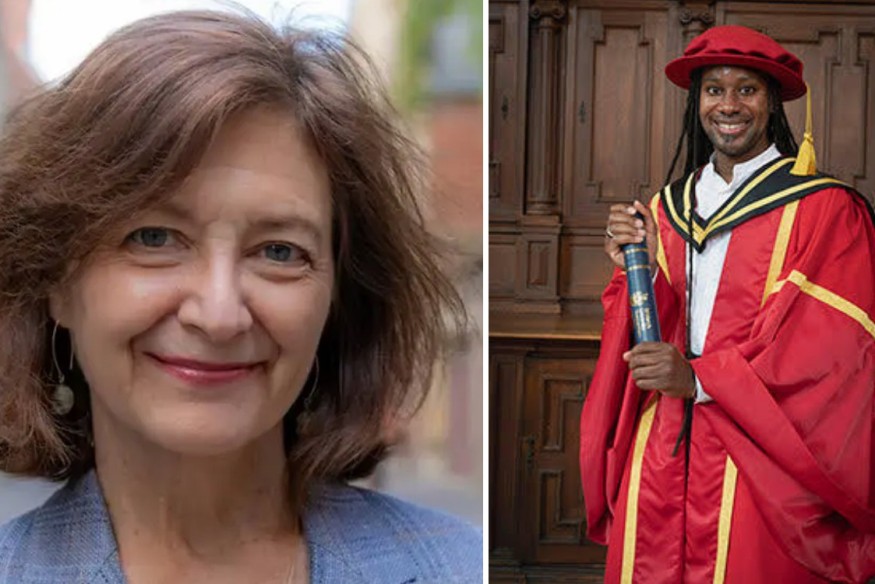
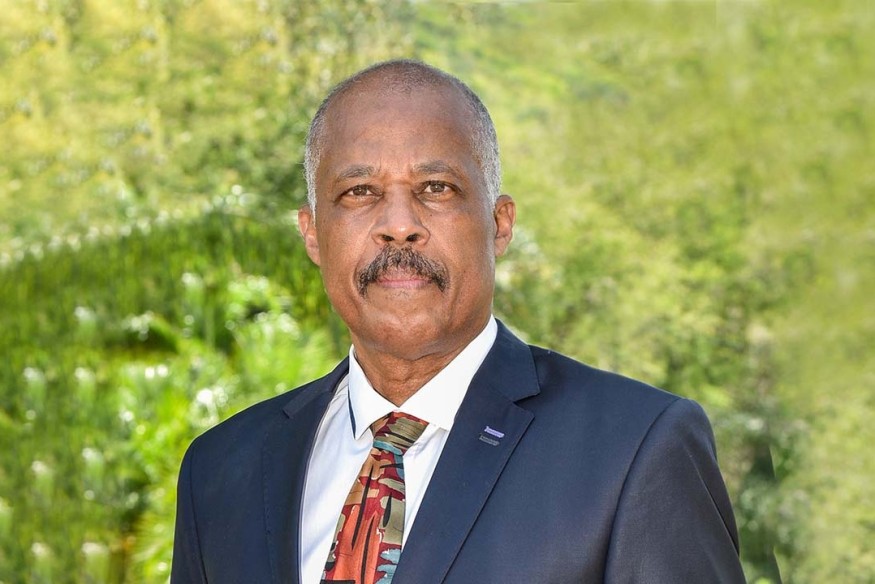
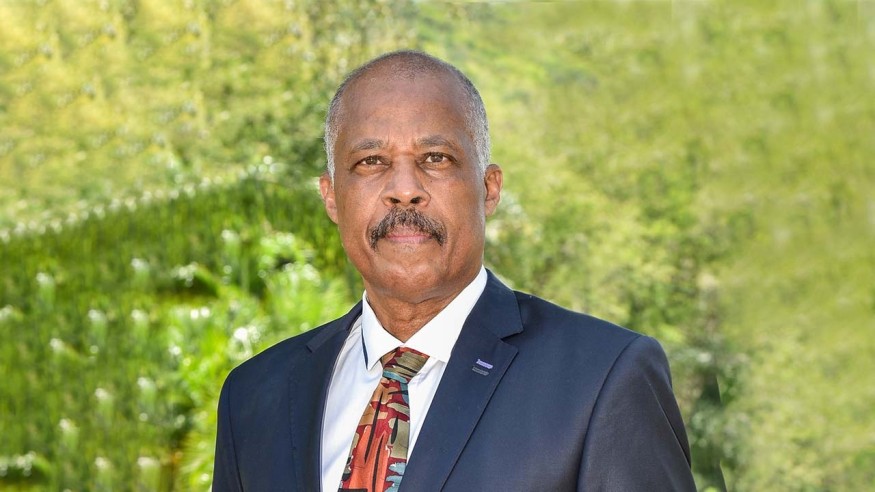
Professor Sir Hilary Beckles has issued a powerful tribute to Professor Jason Arday — and a grave warning about what can happen when public scrutiny turns into public destruction.
In a statement titled End of Arday’s Days, the Vice-Chancellor of The University of the West Indies describes Arday’s loss as a “gruesome, networked catastrophe”. His message moves beyond the final weeks of one academic’s life to confront the wider systems that decide whose excellence is celebrated, whose credibility is relentlessly questioned, and whose vulnerability is ignored.
Advertisement

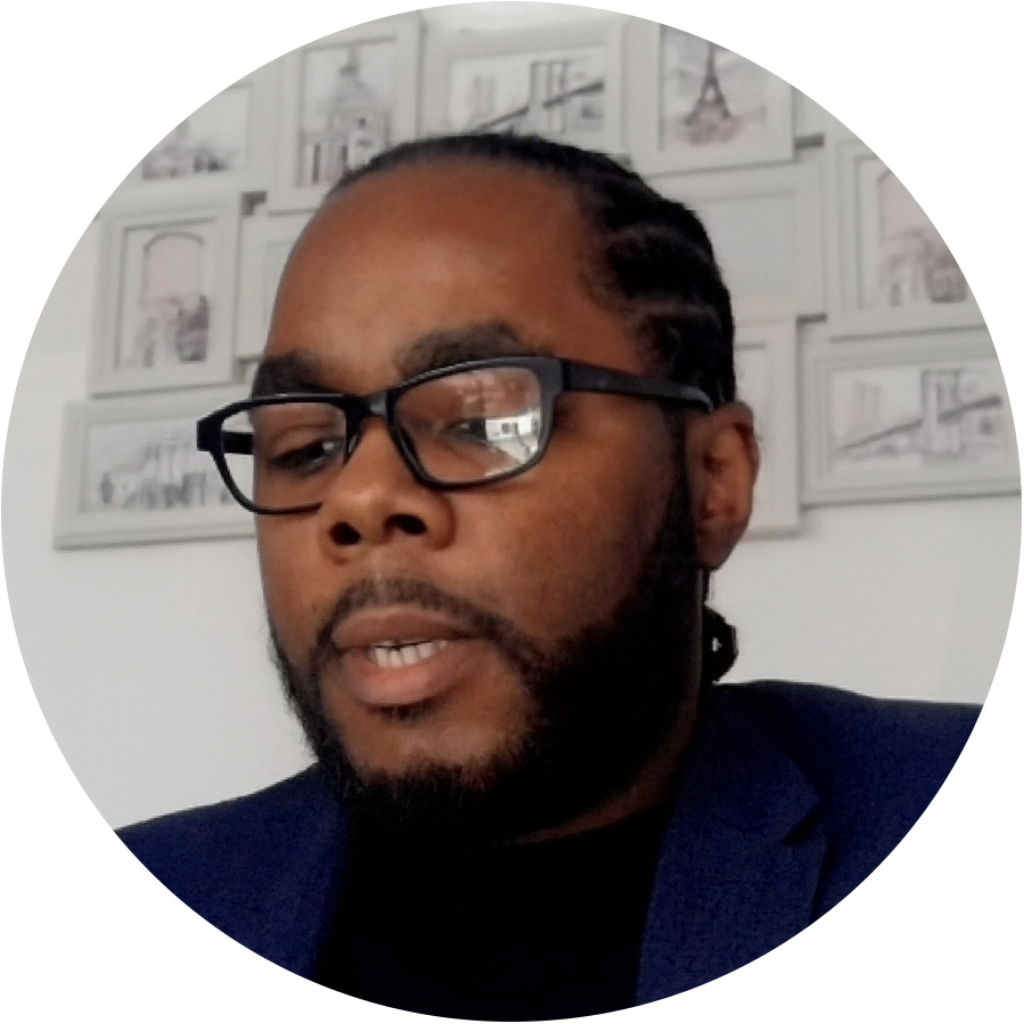
Arday, a scholar of race, education and inequality, was widely recognised as Cambridge’s youngest Black professor. His death has prompted mourning and difficult questions about the sustained pressure he faced after allegations concerning his academic work and personal history became the subject of intense public attention.
Beckles’ intervention is not a substitute for due process or careful reporting. It is a call to remember that institutions and media organisations have responsibilities that cannot end at procedure, headline counts or online debate. He argues that anti-Black racism is not only expressed in overt abuse; it can also operate through patterns of public humiliation, isolation and institutional indifference.
JamRadio has previously reported on the call for a public inquiry into Professor Arday’s death.
Advertisement
Collect AKIMYAX Anime Keyrings
Meet Nori & Miko — the first original duo from the AKIMYAX Pocket Duo Series.
SHOP AKIMYAXIn his statement, Beckles places Arday’s experience within a longer history of Black scholars navigating institutions shaped by colonial power. His point is clear: when a person is treated as a spectacle rather than a human being, the consequences can extend far beyond the immediate controversy.
The question now facing universities, editors and the public is not simply whether every allegation was reported. It is whether the total weight of coverage, commentary and institutional response treated a vulnerable person with the care and humanity the moment demanded.
Arday’s legacy should include his scholarship, his work to widen access to education, and the people who saw possibility in his journey. It should also compel a serious reckoning with how Black achievement is received, tested and protected in Britain’s most powerful institutions.
Source: Statement from Professor Sir Hilary Beckles, Vice-Chancellor of The University of the West Indies, 24 August 2026.